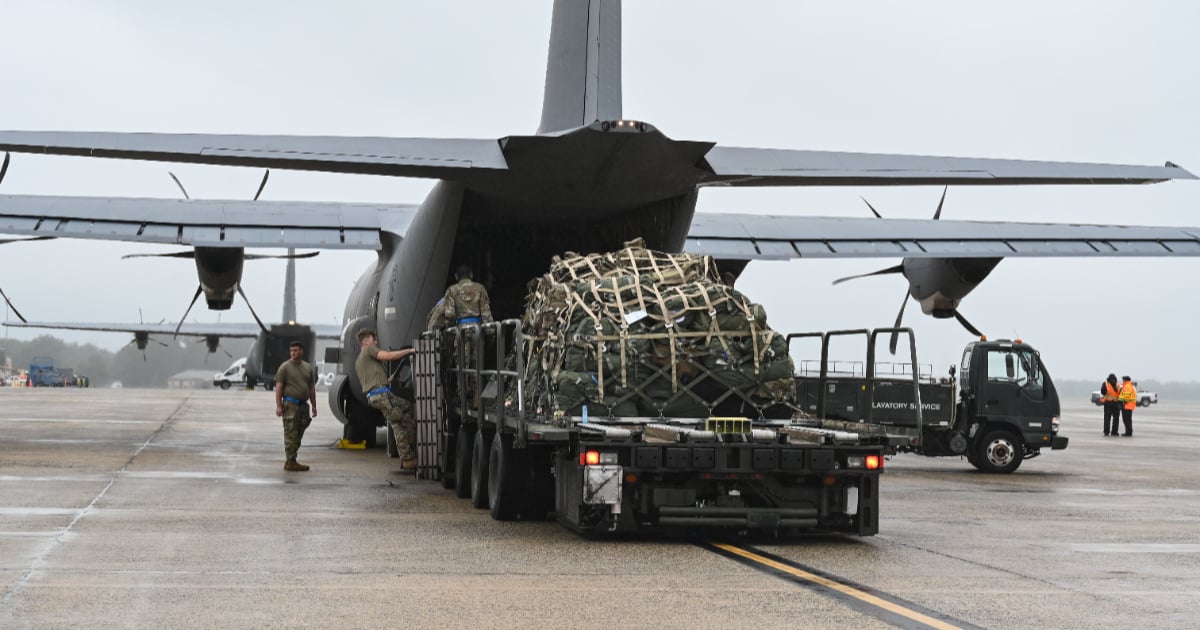
The U.S. State Department unveiled a comprehensive guide this Thursday aimed at simplifying the process of sending private humanitarian aid donations to the Cuban people following the devastation caused by Hurricane Melissa, which severely impacted several provinces on the island.
The document, titled “Providing Private Donations of Humanitarian Assistance to the Cuban People After Hurricane Melissa”, outlines the legal frameworks and licenses that allow the shipment of food, medicine, and other critical supplies to Cuba, despite the ongoing embargo.
“While the embargo remains in place, the U.S. government prioritizes supporting the Cuban people,” the statement emphasized, highlighting that there are exemptions and authorizations within U.S. law for shipping humanitarian and disaster relief products.
Direct and NGO-Facilitated Donations
The guide makes it clear that donations can be made directly or through non-governmental organizations, provided that recipients are not under the control of the Cuban Communist Party.
The Treasury Department, through the Office of Foreign Assets Control (OFAC), maintains general licenses permitting the donation of food, medicine, and humanitarian goods. It also authorizes humanitarian travel and projects in the island aimed at “directly benefiting the Cuban people,” such as housing reconstruction, medical assistance, or educational initiatives.
Expedited Export Approvals
Concurrently, the Department of Commerce can fast-track export permits for essential items like medications, medical equipment, telecommunications goods, or materials for clean energy, ensuring they are used for civil rather than military purposes.
The announcement was made hours after Secretary of State Marco Rubio affirmed Washington's readiness to provide “immediate” humanitarian aid to the Cuban people, clarifying that the support would bypass regime intermediaries.
“The United States stands ready to deliver immediate humanitarian assistance, both directly and through local partners who can distribute it more efficiently to those in need,” Rubio posted on social media platform X, a message echoed by the U.S. Embassy in Havana.
Expanded Aid to Caribbean Nations
Additionally, the Republican official noted that Cuba joins the ranks of countries — including Jamaica, Haiti, the Dominican Republic, and the Bahamas — eligible to receive aid following the hurricane, despite initially being excluded from the list of beneficiaries.
Personal Package and Donation Limits
One of the most accessible mechanisms for U.S. and Cuban-American citizens is the license exception for gift parcels and humanitarian donations, permitting the monthly shipment of a package valued up to $800 retail to individual recipients or independent institutions in Cuba, such as churches, schools, or non-state-controlled charities.
These parcels may contain food, medicine, medical supplies, or personal communication items. Regarding food, there are no restrictions on value or frequency, according to the document.
Contact and Support Channels
Individuals or entities interested in sending humanitarian aid can directly reach out via the email CubaHumanitarian@state.gov, established by the State Department to address inquiries and guide those looking to donate or secure humanitarian licenses.
The U.S. government reiterated its “active encouragement” for citizens, businesses, and organizations to utilize these channels to support the Cuban people, particularly in light of the emergency caused by Hurricane Melissa.
The release of this guide comes at a time of severe economic and social crisis in Cuba, where natural disasters exacerbate the shortages of food, medicine, and construction materials.
Although the embargo continues to be a barrier to direct transactions, Washington is opening avenues to alleviate the suffering of families most affected by the powerful storm.
FAQs on Humanitarian Aid to Cuba
What are the main guidelines for sending humanitarian aid to Cuba?
The guidelines provide legal frameworks and licenses for sending food, medicine, and essential supplies, emphasizing that donations can be direct or through NGOs, as long as beneficiaries are not controlled by the Communist Party.
Who can receive the donations in Cuba?
Donations can be sent to individual recipients or independent institutions like churches, schools, or charities not controlled by the Cuban government.
How can individuals or organizations seek assistance with donations?
Interested parties can contact the State Department at CubaHumanitarian@state.gov for guidance on donations and humanitarian licensing.