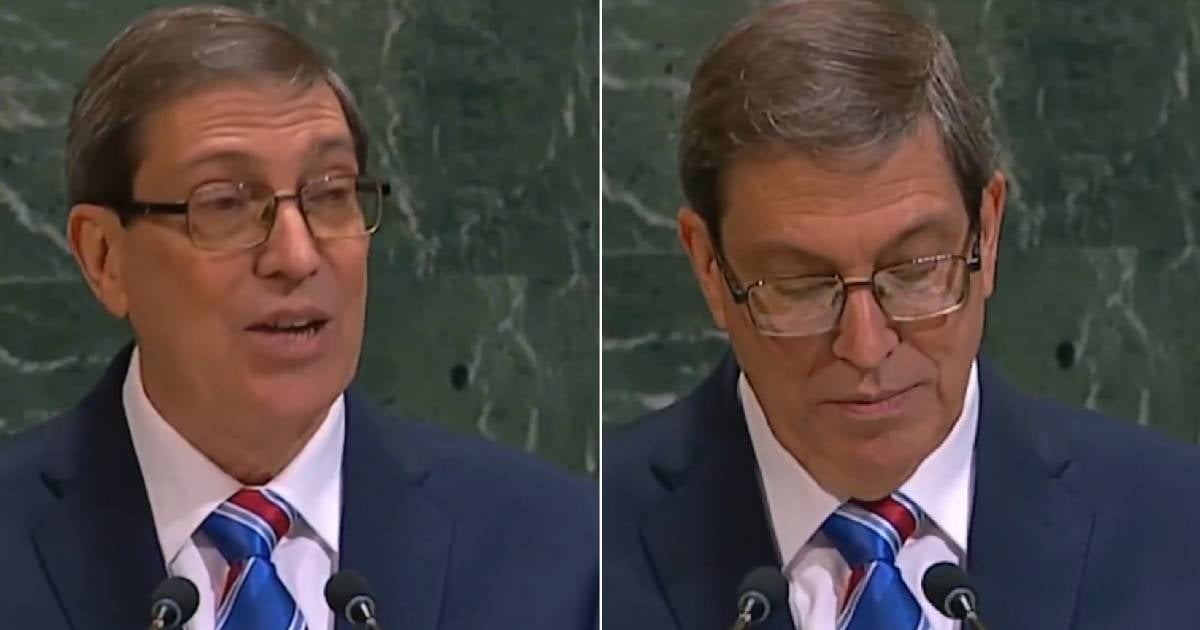
As Cuba grapples with one of its most severe humanitarian crises in decades following the devastating onslaught of Hurricane Melissa, Foreign Minister Bruno Rodríguez Parrilla took to social media to place the blame squarely on the United States for the tourism downturn and the national economic collapse, reigniting political rhetoric even amidst disaster.
In several segments of his speeches at the United Nations, shared on his X account, Rodríguez claimed that the U.S. blockade is directly responsible for the decline of tourism on the island.
"Another critical sector of the economy that has been particularly affected is tourism. Today, citizens from over 40 countries are intimidated and threatened with retaliation by the U.S. government (...) if they choose to visit Cuba," stated the foreign minister.
"The U.S. government not only deprives its own citizens of the right to travel to Cuba but also coerces citizens of other countries, especially Europeans, into not visiting," he added.
A Nation in Crisis and a Government Focused on Politics
While Rodríguez reiterates the blockade narrative, millions of Cubans remain without power, cut off, and trapped in a dire situation in the eastern provinces.
Hurricane Melissa has caused massive flooding, destroyed homes, and resulted in total losses in rural communities, yet the state apparatus seems more focused on its political narrative than addressing the real emergency.
On social media, dozens of Cubans have expressed outrage over the disconnect between the official message and the country's reality.
"While people in the East have nowhere to sleep, they keep talking about the United States. There's no water, no light, no food. And the priority remains the blockade," wrote a user from Holguín.
Propaganda and Self-Congratulation Amid Disaster
Rodríguez also took the opportunity to thank political allies and sympathetic governments following the United Nations vote against the embargo, hailing the resolution as a diplomatic "victory."
"We thank the presidents, prime ministers, foreign ministers, and compatriots abroad who have expressed their support following the recent victory against the blockade," the foreign minister posted.
The message starkly contrasts with the situation on the ground, where infrastructure is collapsing, hospitals lack supplies, and thousands of families are in distress.
In reality, the country is experiencing a widespread crisis while the government continues using official channels to repeat political slogans and divert attention from the humanitarian emergency.
The Harshest Contrast
Instead of addressing the situation in Granma, Holguín, or Santiago de Cuba, or announcing concrete deliveries of food, mattresses, or construction materials, the Cuban foreign ministry persisted with the "external enemy" narrative.
The gap between political discourse and daily reality highlights the leadership's disconnect from the people's urgent needs. Nothing new in a country mired in near-perpetual misery.
Understanding Cuba's Tourism and Economic Crisis
How has the U.S. blockade impacted Cuba's tourism industry?
The U.S. blockade has significantly affected Cuba's tourism by discouraging travel from U.S. citizens and pressuring other countries' citizens, particularly Europeans, to avoid visiting the island.
What are the current humanitarian challenges facing Cuba?
Cuba is dealing with widespread power outages, communication blackouts, and severe shortages of basic necessities following Hurricane Melissa's devastation, exacerbating the existing economic crisis.
How has the Cuban government responded to the crisis?
The Cuban government has primarily focused on political rhetoric and its narrative against the U.S. blockade, rather than addressing the immediate humanitarian needs of its citizens.