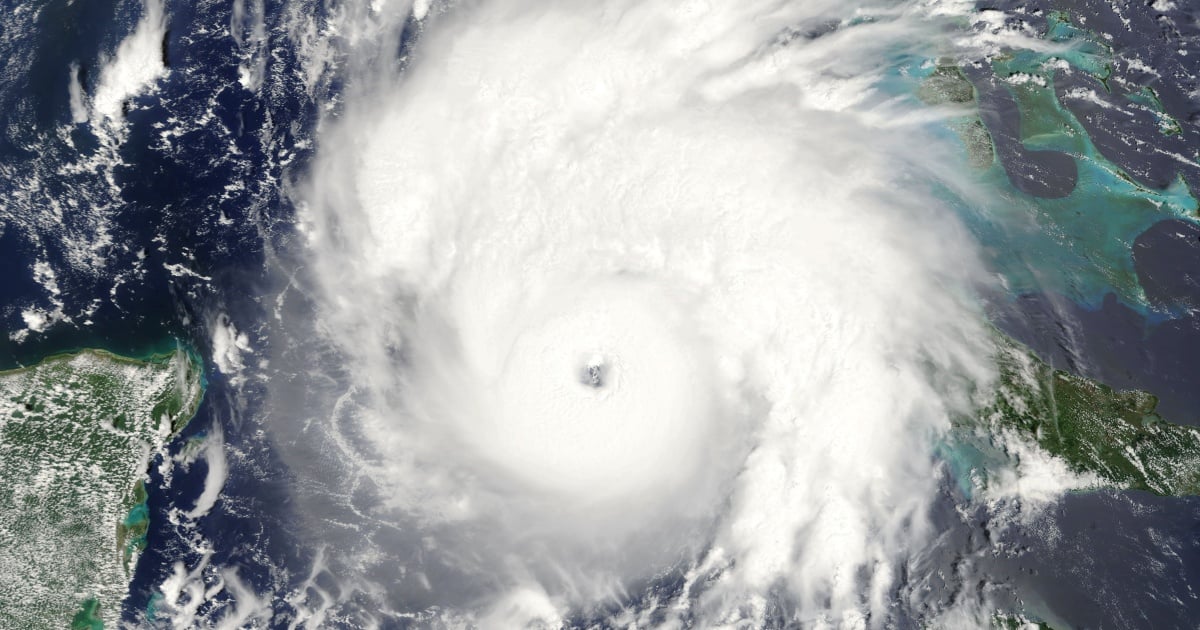
Over the past century, Cuba has faced some of the Atlantic's most severe hurricanes, leaving indelible marks on its people, society, and economy. These natural disasters have tested the nation's resilience, often resulting in entire cities being scarred, crops obliterated, infrastructure collapsing, and thousands of individuals having to rebuild their lives from scratch.
The latest addition to this prolonged list of hurricanes is Melissa, which made landfall in Santiago de Cuba on Wednesday, October 29th.
The Legacy of Destruction
Throughout the last hundred years, numerous hurricanes have fiercely battered Cuba, impacting both rural and urban areas, triggering humanitarian crises, incurring massive economic losses, and leaving a lasting social trauma etched in the collective memory.
Here is a look back at the fifteen most devastating hurricanes that have struck Cuba:
1. 1924 Hurricane (Atlantic Hurricane Ten)
This storm is believed to have reached Category 5, resulting in approximately 90 fatalities and leaving two towns in the far west completely destroyed. It was among the first significant tropical cyclones documented in Cuba.
2. Santa Cruz del Sur, 1932
Regarded as the most catastrophic natural disaster in Cuban history, a massive storm surge submerged the city, claiming around 3,000 lives. The sea practically erased this southeastern Cuban locality from the map.
3. Flora, 1963
Hovering over eastern Cuba for more than 100 hours with erratic movements, Flora's massive flooding led to 1,750 deaths, particularly devastating isolated rural areas.
4. Kate, 1985
Despite being a Category 2 hurricane, Kate severely impacted agriculture and housing infrastructure across seven provinces in the central and western regions, marking the start of a new storm pattern for the decade.
5. Georges, 1998
As a Category 2 hurricane, Georges caused severe coastal and river flooding in eastern Cuba, leaving many homes uninhabitable and resulting in substantial agricultural losses.
6. Michelle, 2001
Michelle, a Category 4 hurricane, resulted in five fatalities and significant damage to homes, telecommunications, agriculture, and the tourism sector, mainly affecting central and western Cuba.
7. Charley, 2004
Category 3 Hurricane Charley caused between 20 and 35 deaths, depending on sources, and destroyed over 40,000 homes, with Havana Province being one of the hardest-hit areas.
8. Dennis, 2005
Crossing the island from south to north as a Category 4, Dennis resulted in 16 deaths and damages exceeding one billion dollars. The central region faced power outages, building collapses, and a public health crisis.
9. Gustav, 2008
Striking the westernmost part of Cuba, especially Pinar del Río, as a Category 5, Gustav affected or destroyed over 500,000 homes, being one of the most violent hurricanes in the island's memory.
10. Ike, 2008
Just days after Gustav, Ike hit nearly the entire island as a Category 4, causing seven deaths and widespread, devastating losses to infrastructure, crops, and housing.
11. Sandy, 2012
Making landfall as a Category 3 in Santiago de Cuba, Sandy caused 11 deaths and destroyed thousands of homes, also damaging historical heritage, including colonial buildings and iconic structures.
12. Irma, 2017
This powerful Category 5 hurricane swept across Cuba's northern coast, leading to 10 deaths and damages exceeding 13 billion dollars, with floods impacting Havana and numerous coastal communities.
13. Ian, 2022
Ian, a Category 3 hurricane, ravaged western Cuba, significantly affecting tobacco crops crucial to the economy. It was responsible for the island's first nationwide blackout, leaving the entire country without power.
14. Oscar, 2024
Though a Category 1 hurricane, Oscar had a significant impact on eastern Cuba. Eight individuals died, and there was severe damage to homes, crops, and road infrastructure, with persistent rains causing landslides and road closures.
15. Rafael, 2024
Rafael struck western Cuba as a Category 3, leaving behind considerable material damage and another national blackout, severely affecting homes, road networks, and healthcare facilities.
An Ongoing Threat
Cuba's geography, stretching like a backbone in the middle of the Caribbean, makes the island a frequent target for hurricanes. Although technological advancements have improved forecasting, structural vulnerabilities, resource shortages, and energy crises exacerbate the impact each time a hurricane hits the country.
Melissa: The Latest Strike
The extremely dangerous Hurricane Melissa made landfall on Cuban soil at 3:10 a.m. (local time) this Wednesday, hitting the southern coast of Santiago de Cuba in the Guamá municipality, specifically at El Francés beach near Chivirico, as confirmed by the National Hurricane Center of the United States.
Radar and satellite images showed Melissa entering with maximum sustained winds of 195 km/h and a minimum central pressure of 952 millibars, maintaining it as a Category 3 on the Saffir-Simpson scale.
The impact on Cuba followed its devastating passage through Jamaica, where Melissa made landfall as a Category 5 hurricane, leaving catastrophic floods, landslides, and severe structural damage.
Its arrival in eastern Cuba occurs amid accumulated vulnerability from years of infrastructural decay, energy deficits, and agricultural crises.
The unfolding case of Melissa serves as a reminder that each hurricane season can bring new tragedies. In Cuba, a hurricane is never just a past event; it remains a living memory, an open scar, and a looming threat.
Common Questions About Hurricanes in Cuba
What makes Cuba particularly vulnerable to hurricanes?
Cuba's geographical location in the Caribbean makes it a frequent target for hurricanes. Additionally, structural vulnerabilities, resource shortages, and an ongoing energy crisis exacerbate the impact of these storms.
How has technology improved hurricane forecasting in Cuba?
Technological advancements have allowed for better forecasting and tracking of hurricanes, enabling more effective preparation and response efforts, although the country's infrastructure and resource limitations still pose significant challenges.
What was the most catastrophic hurricane in Cuban history?
The 1932 Santa Cruz del Sur hurricane is considered the most catastrophic natural disaster in Cuban history, with a massive storm surge that killed around 3,000 people and nearly erased the locality from the map.