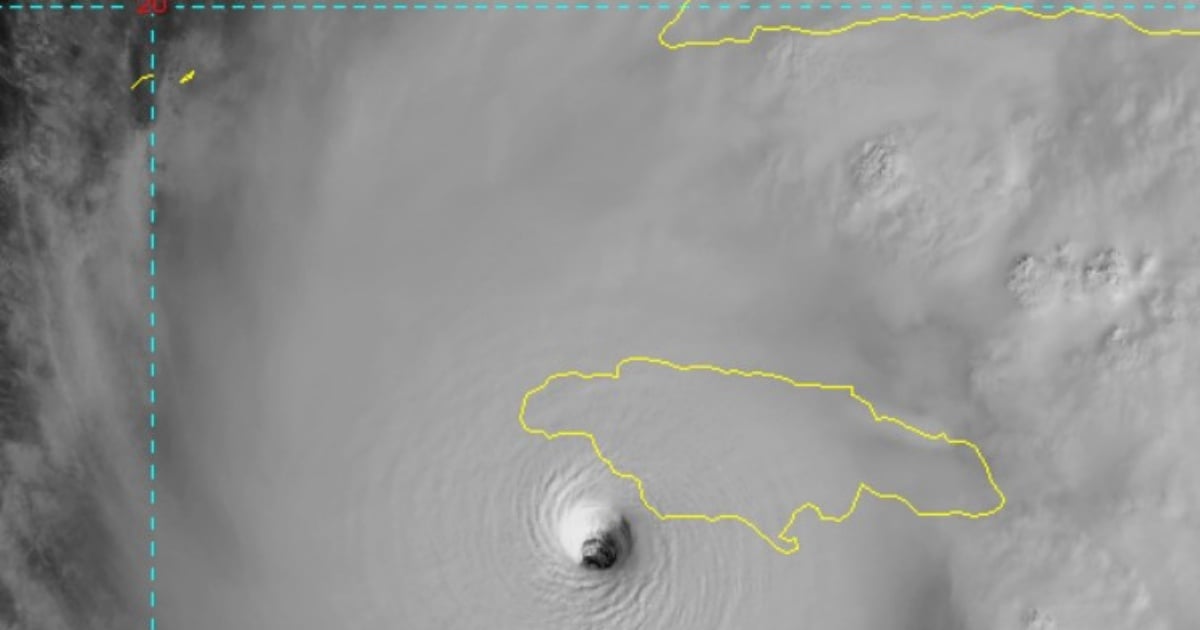
Hurricane Melissa is rapidly approaching the southern coast of Jamaica with formidable intensity. Currently positioned just 43 miles south-southeast of Negril, the cyclone is gaining strength swiftly, with sustained winds reaching an alarming 185 miles per hour.
The National Hurricane Center (NHC) has released a dire warning in its latest update: "This is your last chance to protect your life."
Dire Situation in Jamaica: Imminent Danger
At 10:00 AM Eastern Time, the NHC highlighted the "extremely dangerous and potentially life-threatening" situation facing residents in southern Jamaica due to the looming hurricane impact.
Outer wind bands have already started lashing the coast, and the hurricane's eye is steadily moving toward land, advancing north-northeast at 7 mph. Meteorologists caution residents not to be deceived by the eye's temporary calm.
"Residents experiencing the eye's passage should not leave their shelter, as winds will escalate swiftly with the rear wall's arrival," warns the official bulletin.
Immediate Precautions: Seek Safety Now
The urgency of the message is clear: those who haven't sought shelter must do so without delay.
Experts advise finding refuge in an interior room without windows, away from trees or objects that could become projectiles. Shielding oneself with mattresses or thick blankets and wearing a helmet, if possible, can be crucial in the face of debris propelled by fierce winds.
"The safest place is one where you can put as many walls as possible between you and the outside," emphasizes the guidance.
Severe impacts are anticipated from both the catastrophic winds and torrential rains, along with potential storm surges, raising concerns for the safety of coastal and rural communities.
Rapid Intensification: Melissa's Growing Power
Recent data from NOAA's Hurricane Hunters and the U.S. Air Force Reserve confirm that Melissa continues to strengthen. The central pressure has dropped to 892 millibars, a clear indicator of its intensification.
With sustained winds of 185 mph, Melissa is categorized as a Category 5 hurricane, the highest level on the Saffir-Simpson scale, capable of causing catastrophic damage.
Currently, the hurricane is positioned at coordinates 17.7N 78.1W, moving slowly northeastward, prolonging the threat over Jamaica and heightening the risk of severe flooding and landslides in mountainous areas.
Urgent Call to Action
The NHC's message is unequivocal: seeking shelter now is a matter of life or death.
Melissa poses an imminent threat, and any delay in action could lead to tragic consequences. The Jamaican government has activated emergency protocols, but the hurricane's slow movement prolongs exposure to the storm, increasing tension and fear among residents.
As the time for direct impact nears, weather conditions are expected to deteriorate rapidly in southern Jamaica, affecting cities such as Negril, Savanna-la-Mar, and Black River. Local authorities urge the population to adhere strictly to official instructions and avoid coastal areas.
Upcoming Update: The National Hurricane Center will issue its next comprehensive bulletin at 11:00 AM EDT (15:00 UTC), providing updated information on the storm's trajectory, intensity, and regional recommendations.
Frequently Asked Questions About Hurricane Melissa
How strong is Hurricane Melissa expected to get?
Hurricane Melissa has already reached Category 5 status with sustained winds of 185 mph, indicating it is capable of causing catastrophic damage.
What precautions should residents take as Melissa approaches?
Residents should seek shelter in an interior room without windows, use mattresses or thick blankets for protection, and wear helmets if available to guard against debris.
Which areas of Jamaica are most at risk from Hurricane Melissa?
Southern Jamaica is most at risk, particularly cities like Negril, Savanna-la-Mar, and Black River, where deteriorating weather conditions and potential storm surges could occur.