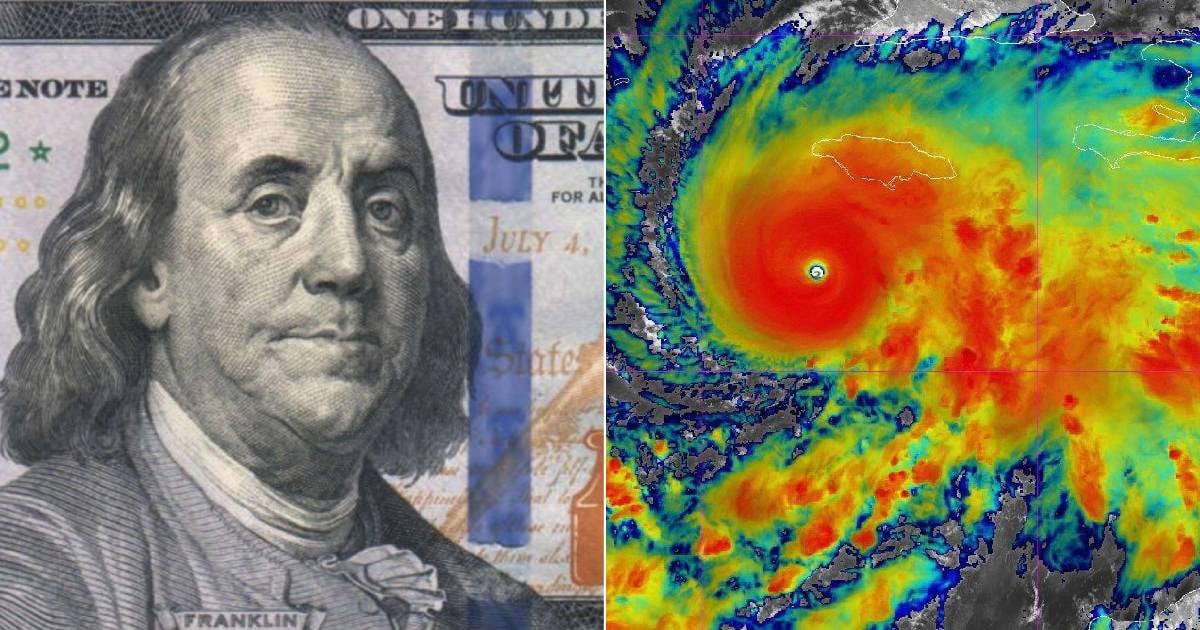
On Monday, Norway announced a contribution of $400,000 to Cuba as part of its donation to the United Nations Central Emergency Response Fund (CERF), aimed at supporting efforts in anticipation of the devastating impact of Hurricane Melissa. This formidable Category 5 storm is poised to strike the eastern region of the island.
Norwegian Ambassador to Havana, John Petter Opdahl, shared news of the aid on the social media platform X, stating, “#Norway, through the emergency fund @UNCERF, contributes 400,000 USD to #Cuba in response to the expected impact of #HurricaneMelissa.”
However, the announcement was met with immediate criticism from Cuban journalists and citizens. Prominent journalist José Raúl Gallego posed a question that resonated with many: “Ambassador, rather than continually giving money to those who sell the donations or use them to rotate military reserves, why not find ways to deliver aid directly to those affected or through true civil society networks and organizations?”
State-Controlled Aid
This skepticism stems from past experiences where international assistance, especially that routed through UN agencies, ended up under the control of the Cuban regime, which determines how, when, and to whom resources are distributed.
Accusations of donations being sold or diverted to state and military entities have been frequent during past emergencies, fostering distrust among citizens and international observers alike.
Simultaneously, the United Nations Development Program (UNDP) announced a pre-positioned shipment of resources ahead of the hurricane’s imminent arrival, which includes:
- 4,000 roofing tarps.
- 7 electric generators.
- 6 chainsaws.
- 259 tool kits for roof repair.
- 2,000 single-person mattresses.
The UNDP specified that these materials are strategically placed throughout the country to support an early response, yet, as is often the case, the ultimate distribution responsibility falls to national authorities. This has led to skepticism among citizens, many of whom have seen similar donations fail to reach those in need.
Hurricane Melissa: A Historic Threat
Meanwhile, Hurricane Melissa continues its path towards eastern Cuba with sustained winds of 270 km/h and higher gusts, ranking among the most intense storms in over a century. If it maintains its strength upon landfall, it could rival or even exceed the catastrophic hurricanes of 1924 and 1932, both Category 5 storms.
Unlike those previous events, Melissa threatens a more vulnerable region of the country, characterized by deteriorating infrastructure and failing basic services. Experts warn that the combination of extreme winds, storm surges, and torrential rains could lead to catastrophic damage.
As international aid begins to arrive, the persistent question remains: will it truly reach those in need, or will it once again become entangled in the murky waters of state bureaucracy?
Frequently Asked Questions About International Aid to Cuba
How does Norway's donation help Cuba?
Norway's donation is intended to support Cuba's response to Hurricane Melissa through the UN Central Emergency Response Fund. The funds are aimed at aiding preparedness and relief efforts.
Why is there skepticism about aid distribution in Cuba?
Skepticism arises from past instances where aid has been controlled by the Cuban government, leading to concerns about the transparency and fairness of distribution, with reports of aid being sold or misappropriated.
What measures are in place to ensure aid reaches those in need?
International organizations like the UNDP place resources strategically and rely on national authorities for distribution. However, the lack of transparency in these processes often raises concerns about the effective delivery of aid.