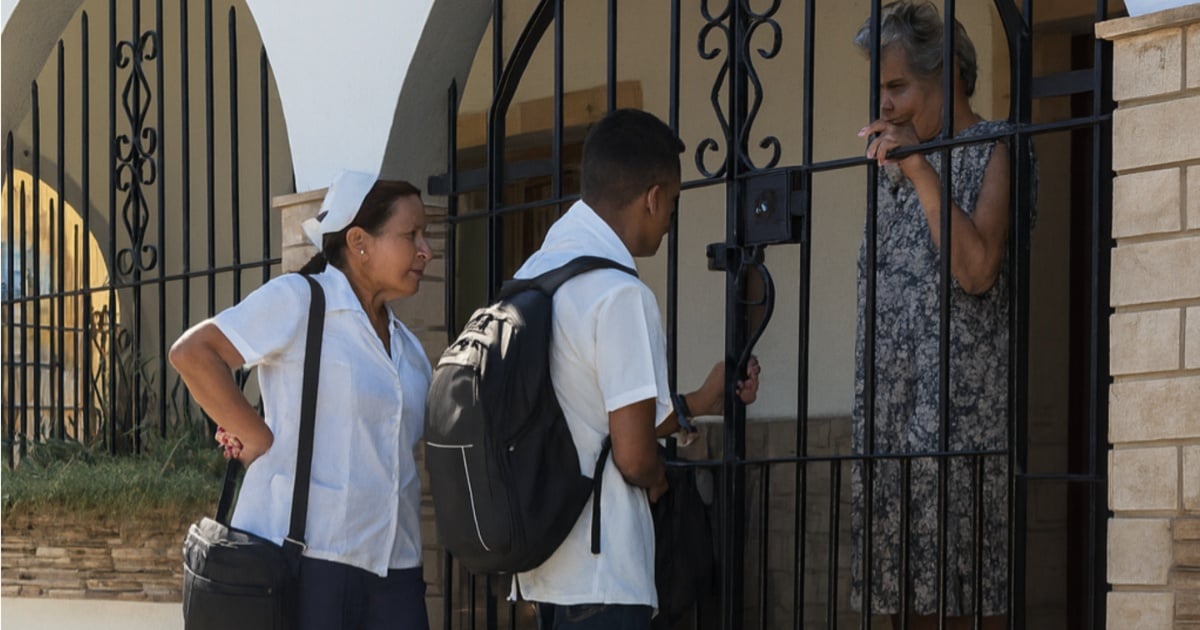
Carilda Peña García, the Deputy Minister of Public Health in Cuba, has urged the public to seek medical assistance rather than remain at home when experiencing illness. Her plea comes amid an active spread of dengue, particularly serotype 4, and a rising number of chikungunya cases across much of Cuba.
In a recent briefing on the country's health crisis, Peña García highlighted a notable increase in unspecified febrile syndromes over the past week, with 109 municipalities reporting a surge in related medical visits. Additionally, the IgM positivity rate for dengue has risen, indicating ongoing transmission in several provinces.
The regions most severely impacted include Guantánamo, Matanzas, Sancti Spíritus, Ciego de Ávila, and Villa Clara.
Despite hospitals being overwhelmed with arboviral infections and family doctors advising patients to stay home, Peña García emphasized, "We reiterate the importance of not staying sick at home. People need to visit health centers."
Efforts have been bolstered by introducing rapid tests in hospitals for patients displaying severe symptoms, aiming to provide more precise and timely care. Concurrently, vector control has been intensified nationwide through adulticide treatments, deployment of high-efficiency teams, and TDA vehicles.
Combating the Mosquito Threat
The surveillance campaign includes outdoor fumigation and calls for public cooperation—such as keeping doors and windows open during treatments and reporting irregularities—to disrupt the transmission of Aedes aegypti, which continues to show high infestation rates in various areas.
While there is a noted decrease in acute respiratory infections, viral circulation remains, prompting the deputy minister to urge continued individual protective measures, especially with increased rainfall that could affect water quality and facilitate vector proliferation.
Mayabeque, Isla de la Juventud, and Las Tunas have shown no strong evidence of viral circulation during the analyzed week, though they remain under clinical-epidemiological and laboratory observation.
Understanding Chikungunya
Dr. Daniel González Rubio, an infectious disease specialist at the Pedro Kourí Institute of Tropical Medicine, explained that chikungunya fever progresses in phases and can leave lingering symptoms for months. Though most cases resolve on their own, complications can arise in older adults and those with chronic illnesses.
He noted that up to 40% of patients may experience discomfort for three months, with 10% extending beyond that period, experiencing joint pain and stiffness that hinder function. The treatment is symptomatic—there is no specific antiviral—and should include rest, proper hydration, and medical supervision: "Most cases can be managed at home, but always with professional guidance."
Rising Health Risks
Last week, Cuba reported an increase in severe dengue cases amidst a general rise in fever and active arboviral circulation across most territories. The surveillance system recorded 13,071 febrile cases in seven days, and the endemic fever corridor remains at epidemic levels.
During the same period, 16 additional patients required intensive care compared to the previous week; there were seven critical cases, concluding with one still critical.
The national rate climbed to 24.3 per 100,000 inhabitants. The most affected provinces are Guantánamo, Matanzas, Ciego de Ávila, Havana, and Cienfuegos, followed by Villa Clara, Sancti Spíritus, and Camagüey.
After years of serotype 3 dominance, serotype 4 now prevails, increasing the risk of severe illness in those reinfected with a different serotype.
FAQs on Cuba's Health Crisis
Why is it important not to stay sick at home in Cuba?
Staying at home when experiencing symptoms can delay necessary medical treatment and worsen health outcomes, especially amid widespread dengue and chikungunya infections.
What measures are being taken to control vector-borne diseases in Cuba?
Cuba is intensifying vector control through adulticide treatments, high-efficiency team deployments, TDA vehicles, and public cooperation in fumigation efforts.
How is chikungunya treated, and what are the risks?
Chikungunya treatment focuses on symptom management, rest, hydration, and medical supervision. Risks include complications in older adults and those with chronic conditions.