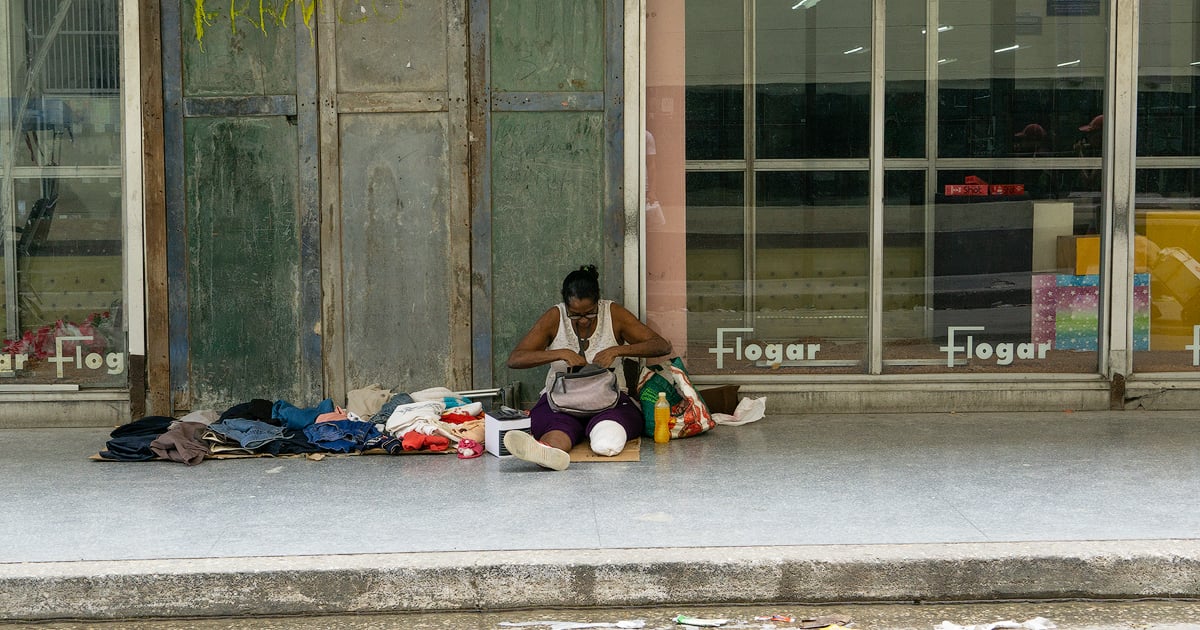
Despite grappling with a severe public health crisis, energy shortages, and adverse weather conditions, the Cuban regime has announced plans for over one hundred thousand residents of Havana to march on October 28th. The event is intended to honor Commander Camilo Cienfuegos and protest the "blockade."
State-run media reported that the march is a part of the Camilo-Ché Ideological Campaign and was revealed during a meeting led by Liván Izquierdo Alonso, the Communist Party's first secretary in Havana, and Yanet Hernández Pérez, the city's governor.
Political leaders, youth and student organizations, along with state-owned enterprises, will participate in the event, which the regime claims will "strengthen social cohesion and a sense of belonging."
Public Outcry on Social Media
This announcement comes at a time when Cuba faces one of its most challenging periods of the year: hospitals are overwhelmed, widespread blackouts occur, epidemic outbreaks are rampant, and Hurricane Melissa threatens to strike eastern Cuba. The National Hurricane Center in the United States has indicated that the tropical storm may soon escalate into a hurricane, bringing torrential rains and destructive winds to Guantánamo, Santiago de Cuba, and Granma. Meanwhile, the government remains silent on any concrete preventive measures.
The announcement has sparked a wave of criticism and outrage on social media. One user declared, "Stop these marches already, with all the viruses spreading and the current transport and fuel situation, and now another march on the 28th? Are they not thinking?"
Another commented, "A major hurricane will be hitting the eastern region on the 28th, and yet in Havana, they claim a hundred thousand people will be marching. It's like something out of Narnia." A third user pleaded, "Stop the mockery, use that oil to fumigate, allocate resources for the people, how long will this indifference last?"
Many echoed the sentiment that the government continues to allocate resources to political events while the nation contends with dengue outbreaks, food shortages, and a lack of transportation.
"With dengue, viral diseases, hunger, cyclone, only a fool would go," wrote one online commentator. "Habaneros will be FORCED to march!!!" another added.
A Nation on the Brink
The sense of exhaustion is a common theme in the comments: "For God's sake, instead of focusing on the people's health, they continue with these marches that solve nothing. Use that oil to fumigate and eradicate the mosquitoes that cause so many problems. It seems the leaders aren't thinking." A phrase captured the general feeling: "There's no food, no electricity, no medicine... but there is a march."
The announcement comes amid an already deteriorating national landscape. This Thursday, the National Electric System partially collapsed, leaving much of the country without power for hours. The generation deficit reached 1,818 megawatts against a demand of 2,526, with only 1,550 megawatts available, according to official data. Fuel shortages, power plant failures, and the shutdown of dozens of distributed generation units have worsened the blackouts that are now a daily occurrence.
The health situation is also deteriorating, with hospitals overwhelmed, a lack of medicines, and irregular fumigation efforts. The Cuban Observatory for Human Rights has urged the regime to declare a national health emergency due to the rising cases of dengue, chikungunya, and oropouche, and the collapse of the healthcare system.
In just one week, over 13,000 fever cases were recorded nationwide, with active transmission of various viruses and severe shortages of medicines and medical personnel. Despite this situation, the government is pressing ahead with its plan to mobilize thousands of people to the Plaza de la Revolución, using fuel, transportation, and state personnel amidst the scarcity.
"The Country is Falling Apart"
Recently, actor Luis Alberto García voiced his opposition to the regime's marches and official platforms amidst the worsening crisis. On his Facebook profile, he wrote, "I sincerely don't believe this national polycrisis is the right context for more parades and platforms. The country is falling apart. Don’t those living in that 'other' dimension notice this? Or do they know and still play their games?" He added that "it would be more patriotic, empathetic, and consistent to dedicate the platform, the march, or the CONGA to those sick and deceased from arboviruses in the Matanzas provinces. Just saying."
His words, published days before the new march announcement, resonate with the regime's persistence in filling the streets while the country is drained of resources. On social media, Cubans echo their frustration: "Please stop playing with the lives of an entire country; we are sick, weakened by the lack of food, medicine, and you are calling for marches. Use that oil to fumigate by land and air."
As the population struggles amidst blackouts, epidemics, and shortages, the government remains focused on propaganda and slogans. Cuba is collapsing, yet the regime marches on.
Key Questions About Cuba's Current Crisis
What is the purpose of the march planned for October 28th in Havana?
The march is intended to honor Commander Camilo Cienfuegos and protest the "blockade," as part of the Camilo-Ché Ideological Campaign.
Why is there public outrage over the planned march?
The public is outraged due to the timing of the march amidst severe public health and energy crises, and the threat of Hurricane Melissa, which many feel should be prioritized over political events.
How is the health situation in Cuba affecting the population?
Cuba is experiencing a decline in healthcare services with overwhelmed hospitals, a lack of medicines, and irregular fumigation, leading to epidemics such as dengue, chikungunya, and oropouche.