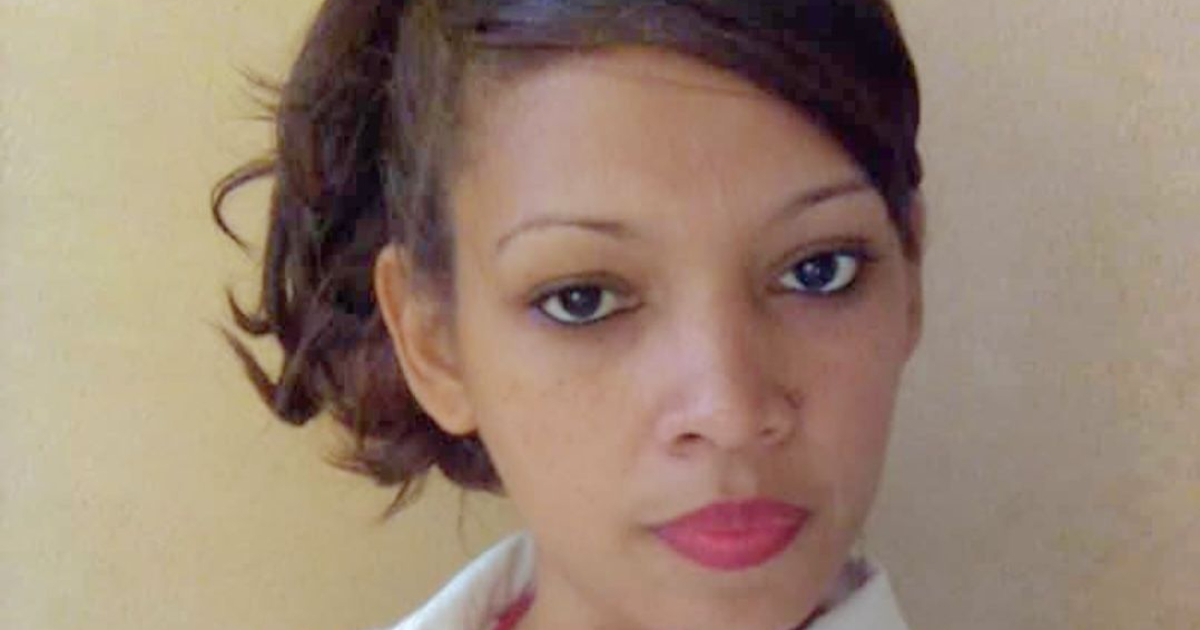
The sudden passing of Dr. Danny Cisneros De la Cruz, a respected nutritionist at the Policlínico Rolando Monterrey Caballero in Moa, Holguín province, has left the community in mourning, as announced by the General Health Directorate of Moa.
In a heartfelt post on their official Facebook page, the health entity expressed deep sorrow over the loss of Dr. Cisneros, who had been experiencing respiratory symptoms that progressed to bronchopneumonia. She was admitted to the Guillermo Luis Hospital with acute respiratory failure and was immediately placed in the Intensive Care Unit (ICU).
Despite the dedicated efforts of the medical team and intensive care measures, Dr. Cisneros tragically succumbed to her condition. Public Health officials noted that hematology tests for dengue and other arboviruses returned negative results, and at the family's request, no autopsy was performed.
"The staff at her workplace and all health workers in the municipality and province join in mourning with her family and friends. May she rest in peace," concluded the message from Moa's General Health Directorate.
The young doctor's untimely death has sparked numerous reactions on social media. Dr. Alexander Jesús Figueredo Izaguirre, a Cuban physician now living in the United States since 2022, expressed his condolences and blamed the deteriorating healthcare system in Cuba. He stated, "It wasn't bronchopneumonia that killed her, it was the dictatorship that turned hospitals into slow morgues decades ago."
Dr. Figueredo recalled that many colleagues have "died without oxygen, without medication, without hope," and added that surviving health professionals are "punished for speaking the truth." He ended his message with a call for justice: "Enough of martyrs with stethoscopes. The people need oxygen and freedom, not slogans."
Health worker Luis Enrique from Placetas also responded on Facebook, asserting, "They are killing our health colleagues. The only culprit is the Castro dictatorship." Referencing the official statement on Cisneros' death, he used the hashtag #InterventionForCuba to highlight the dire conditions faced by Cuban doctors.
Dr. Cisneros' death coincides with a national epidemiological alert due to a surge in febrile illnesses and severe dengue cases. According to the Ministry of Public Health, over 13,000 fever cases were reported in a week, with an incidence rate of 24.3 per 100,000 inhabitants.
Health authorities have warned about the active circulation of dengue and chikungunya, although tests conducted on the Moa professional returned negative for these diseases. The rise in cases has prompted intensified fumigation and vector control efforts, even as hospitals and clinics face resource constraints in several provinces.
Provinces like Guantánamo, Matanzas, Ciego de Ávila, Havana, and Cienfuegos are experiencing the most severe epidemiological challenges, with increased numbers of critical and hospitalized dengue patients.
The epidemiological crisis unfolds amid a backdrop of severe social deterioration. Social media users like Irina Diéguez Toledo have shared accounts depicting everyday life in Cuba amidst shortages, illness, and fear. Diéguez described scenes from her neighborhood where "everyone falls ill among piles of garbage and leaks, without ambulance services or medicine," and stated, "we struggle between finding food and caring for the sick."
The Cuban medical community and numerous social media users have expressed their grief over Dr. Danny Cisneros De la Cruz's passing, sending condolences to her family, colleagues, and friends.
Health Crisis in Cuba: Key Questions Answered
What led to the death of Dr. Danny Cisneros De la Cruz?
Dr. Danny Cisneros De la Cruz's death was attributed to acute respiratory failure following bronchopneumonia, despite intensive care efforts.
What is the current epidemiological situation in Cuba?
Cuba is experiencing a national epidemiological alert due to a rise in febrile illnesses and severe dengue cases, with over 13,000 reported fevers in a week.
How are Cuban health professionals and the public reacting to the healthcare crisis?
Health professionals and the public have expressed frustration and blame the deteriorating conditions on the government, calling for change and better resources.