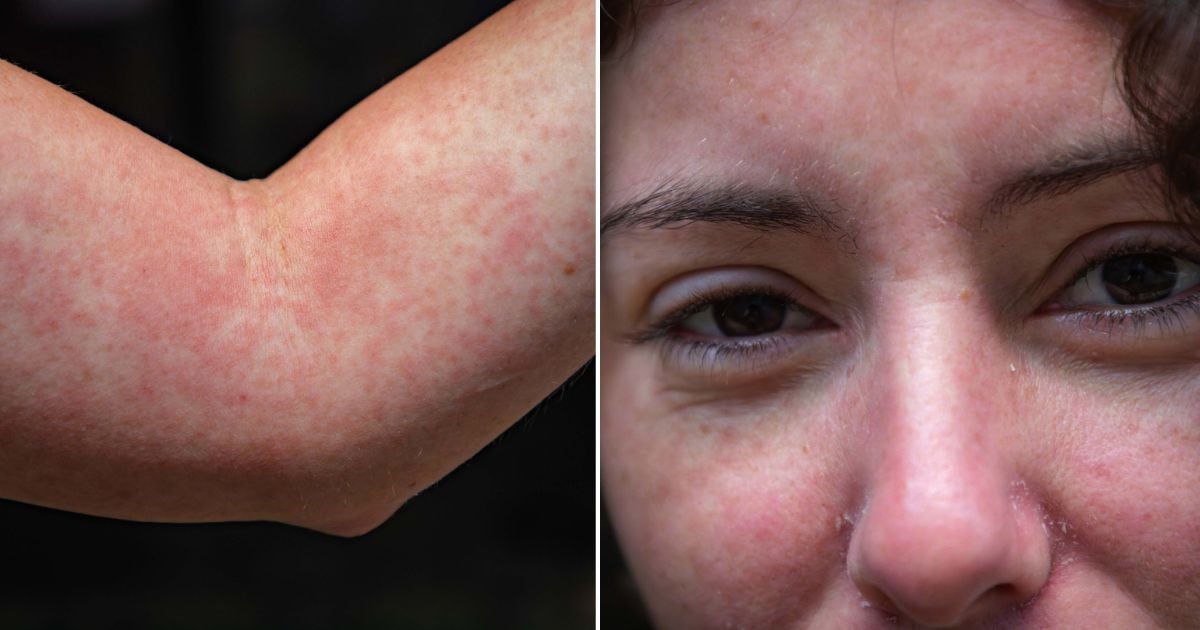
The day-to-day life of Cubans is fraught with a myriad of challenges. In addition to long-standing issues like acute shortages, rampant inflation, limited access to medication and food, and an ongoing energy crisis, the population now faces a surge of illnesses that keep the community on edge.
Irina Diéguez Toledo, a Cuban woman, took to Facebook to share a poignant account of her daily existence on the island, a life marred by scarcity, illness, and fear.
She describes a typical morning: "I prepare breakfast, which is watery milk and stale bread. As I take out the trash, I hear a neighbor crying. She's waiting for another neighbor to lend her a wheelchair. Her elderly, diabetic mother woke up with a swollen, red foot."
The narrative paints a vivid picture of the dire health crisis gripping Cuba.
"Everyone is getting sick amidst piles of garbage and leaks. There are no ambulance services, nor money for taxis. There are no medicines for chronic disease management or to combat the nine circulating viruses," she wrote, highlighting the "cheerful" remarks of a Cuban vice minister regarding the country's epidemiological situation.
Diéguez also mentions the looming threat of Hurricane Melissa on the eastern part of the island, leaving readers with a haunting question that encapsulates her entire message: "What lies beyond the fear? I wonder."
Her post has been widely commented on and shared, serving as a mirror of the anguish experienced by countless families in Cuba, where hunger, disease, and a lack of basic resources intertwine with the uncertainty of a nation in decline.
Elaine Acosta commented, "So much pain, an unending anguish and desperation... while those who misgovern only bother to make excuses and blame others for what is solely their responsibility."
Jorge Canales did not mince words: "In a German concentration camp in 1942, there was probably more comfort and quality of life. The gas chamber in Cuba is the government."
In a direct critique, Lachy Fmc emphasized, "It was repulsive to see that MINSAP official discussing the disastrous situation we're living in with a smile on his face."
From Orquídea Pereira's profile, the bleak reality faced by Cuban neighborhoods was depicted: "I've lost count of how many of us have fallen ill. Only the children have been taken to the hospital, and one elderly woman with dehydration. A nurse visited a few days ago, conducted a survey, yes, we are on a list, a statistic, but for what? We all wonder. And the officials act as if nothing is wrong, lying, hiding, without taking the slightest action. Perhaps some deputy or minister will appear and say we're just pretending to be sick."
Frequently Asked Questions About Cuba's Current Crisis
What are the main challenges currently faced by Cubans?
Cubans are dealing with severe shortages, high inflation, limited access to food and medicine, an energy crisis, and a surge of illnesses.
How has the health crisis affected daily life in Cuba?
The health crisis has led to widespread illness, with insufficient ambulance services, lack of medications, and inadequate resources to treat chronic diseases and viral infections.
What are the public reactions to the government's handling of the crisis?
Many Cubans express frustration and anger towards the government's response, accusing them of making excuses, hiding the truth, and failing to address the crisis effectively.