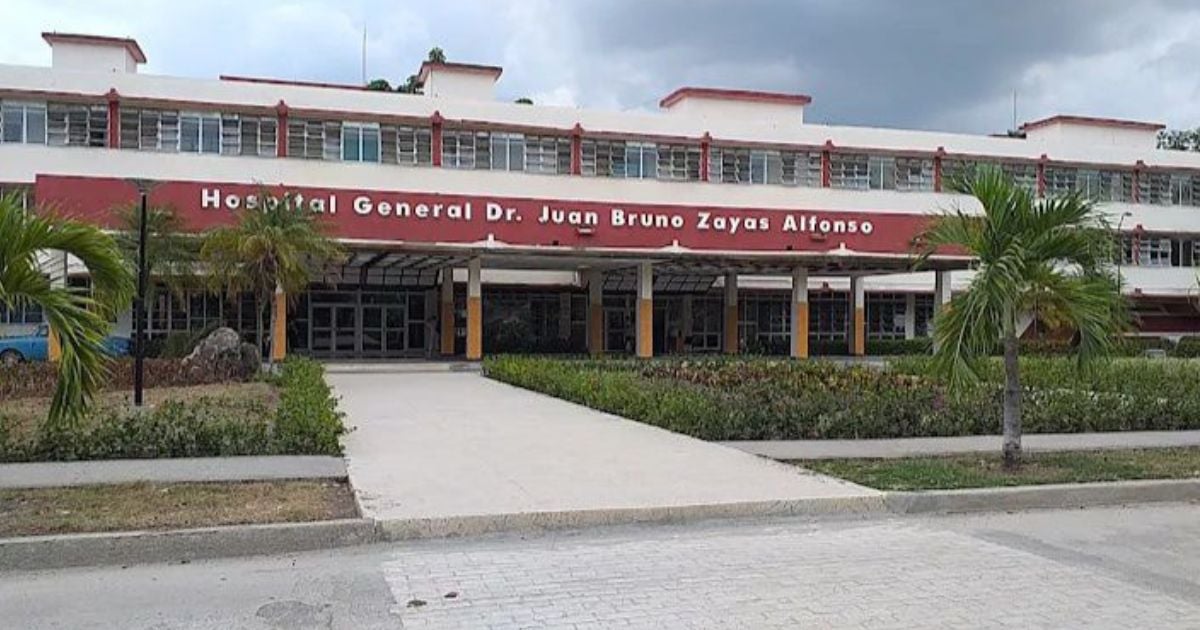
Exiled Cuban physician Miguel Ángel Ruano Sánchez has emerged as a prominent critic of Cuba's socialist government. On Tuesday, he raised alarms about the dramatic rise in pulmonary tuberculosis cases in Santiago de Cuba amidst an ongoing arboviral epidemic raging across the island. Ruano, known for his outspoken criticism of the collapsing Cuban healthcare system and the dire shortages faced by doctors within the country, took to Facebook to share a concerning account of the conditions at the Juan Bruno Zayas Hospital. According to him, medical staff are deeply troubled by the surge in cases and their inability to provide proper care.
“Doctors are worried for two main reasons,” Ruano explained. “The lack of resources for accurate diagnoses and the complete absence of medications in pharmacies and health system warehouses that are essential for the treatment regimen.” This therapeutic protocol, he noted, involves two phases lasting between six and nine months and includes combinations of isoniazid, rifampicin, pyrazinamide, and ethambutol.
Ruano reported that his colleagues in Santiago de Cuba are witnessing an “atypical” increase in patients with severe respiratory symptoms unrelated to arboviral diseases, suggesting a simultaneous tuberculosis outbreak in this eastern province. “There is an off-season rise in clear respiratory symptoms,” he pointed out.
The situation is exacerbated by the lack of basic equipment, such as chest X-rays, and the inability to perform diagnostic tests like the Mantoux test, sputum cultures, or molecular examinations like the Xpert MTB/RIF. This leaves patients without a definitive diagnosis or proper treatment.
The doctor highlighted that this precariousness is “not new” and illustrates a structural crisis within the Cuban healthcare system, which fails to ensure even the most basic epidemiological control procedures. He warned that one or more tuberculosis outbreaks could lead to severe consequences, including permanent lung damage, infection spread to other organs, and even death if untreated promptly.
Ruano also emphasized the social and economic impact of this health crisis in a country where poverty has deepened and most citizens struggle daily for basic necessities. “Tuberculosis not only affects physical health but also further impoverishes families, as the treatment is lengthy, costly, and the sick cannot work,” he stressed.
From his exile in Colombia, Ruano has consistently condemned the injustices, shortages, and abuses within the Cuban healthcare system. He concluded that the regime “prefers to manipulate the statistics rather than acknowledge the collapse of public health,” while thousands of Cubans silently endure diseases that should have long been under control.
Understanding the Tuberculosis Surge in Santiago de Cuba
What is causing the rise in tuberculosis cases in Santiago de Cuba?
The rise in tuberculosis cases in Santiago de Cuba is attributed to a combination of factors, including the collapse of the healthcare system, lack of resources for accurate diagnosis, and absence of essential medications.
How does the arboviral epidemic impact the tuberculosis situation in Cuba?
The ongoing arboviral epidemic has strained the already fragile healthcare system, diverting attention and resources away from other critical health issues like tuberculosis, thereby exacerbating the situation.
What challenges do Cuban doctors face in treating tuberculosis?
Cuban doctors face significant challenges, such as a lack of diagnostic tools, absence of medications, and inadequate healthcare infrastructure, making it difficult to treat tuberculosis effectively.
What are the potential consequences of untreated tuberculosis in Cuba?
Untreated tuberculosis can lead to severe health complications, including permanent lung damage, spread of the infection to other organs, and even death. It also has socioeconomic impacts as it impoverishes families due to long treatment durations and inability to work.