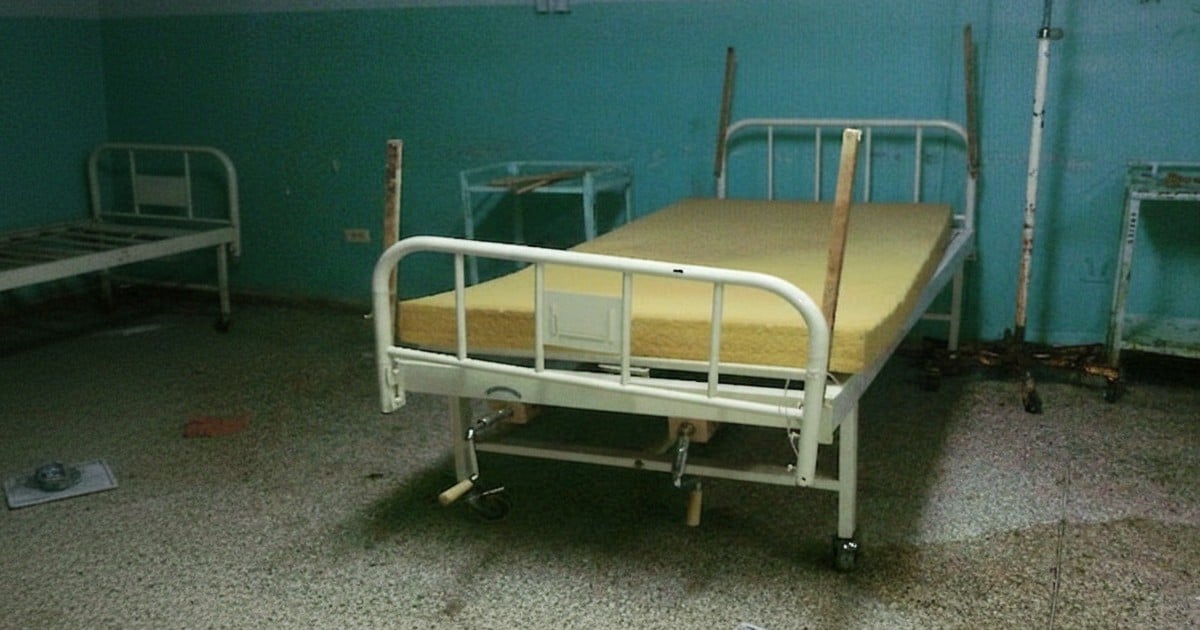
Planning a vacation in Cuba in 2025 is akin to playing Russian roulette with your health. Once heralded as the "Caribbean paradise," the island has transformed into a destination fraught with medical dangers, where a seemingly minor ailment like appendicitis can lead to dire consequences. Recent incidents involving foreign tourists hospitalized under appalling conditions underscore this reality. Take the case of Pedro Daniel Bernad Rodríguez, a 51-year-old Spaniard now fighting for his life in a Santa Clara hospital due to a lack of essential antibiotics.
Pedro Daniel embarked on his journey to the island on October 3, 2025, with hopes of enjoying a delightful vacation. Just a week later, he found himself in the intensive care unit of Arnaldo Milián Castro Hospital after undergoing two surgeries for an intestinal volvulus and contracting postoperative pneumonia. His family was forced to procure colistin—a critical antibiotic unavailable at the hospital—yet they could not complete the treatment.
Foreign Tourists Face Medical Horrors in Cuba
His ordeal is not an isolated incident. In February, Sylvie Beauchesne, a Canadian tourist, suffered a hip fracture and endured weeks in a Ciego de Ávila hospital without painkillers or antibiotics until her family managed to fly her home on a medical evacuation flight. In March, another Canadian, Caroline Tétrault, required emergency surgery for peritonitis in a hospital lacking electricity and medications. Other European tourists contracted tropical viruses like chikungunya and Oropouche, prompting travel advisories from the United States and Canada against visiting the island.
A System on the Brink of Collapse
Cuba's Minister of Public Health, José Ángel Portal Miranda, admitted to the National Assembly that only 30% of the essential medicine list is available in the country. Hospitals are devoid of basic supplies like gauze, syringes, and anesthetics, with sanitary conditions severely compromised. The government itself acknowledges rising infant and maternal mortality rates, while hospitals are plagued by infestations, thefts, power outages, and a shortage of qualified medical personnel.
Getting sick in Cuba, whether you're a local or a tourist, means confronting a healthcare system in shambles. Doctors work without essential supplies, patients must source their own medications, and families often resort to bribes or connections for care. The regime attempts to mask these issues with propaganda campaigns showcasing freshly painted hospitals for the cameras, yet the grim reality reeks of expired disinfectant and despair.
The High Cost of Medical Repatriation
Reports from sick foreigners reveal a common thread: priority treatment is reserved for those who pay in foreign currency or possess comprehensive international insurance. Cubans, meanwhile, survive as best they can. Even tourists find themselves ensnared in bureaucracy and poverty—the medical repatriation for Bernad comes with a price tag of 300,000 euros, a cost neither his insurance nor the Spanish consulate would cover. His family has resorted to public fundraising efforts to bring him home.
The romanticized image of Cuba with its music and mojitos conceals a stark reality: the country is in the throes of a health crisis. Official statistics confirm concurrent outbreaks of dengue, zika, chikungunya, and Oropouche fever as hospitals crumble and medical professionals flee the country. In tourist hotspots like Matanzas and Cienfuegos, U.S. and Canadian embassies have advised their citizens against traveling. The Pan American Health Organization (PAHO) and the U.S. Centers for Disease Control and Prevention (CDC) echo these warnings: Cuba is no longer a safe travel destination.
From Spain to Canada, similar stories emerge: tourists hospitalized, families in distress, hospitals lacking water and medicines, misdiagnoses, and exhausted doctors improvising with limited resources. Meanwhile, the Cuban government continues to project an image of exportable medical excellence to the world. Yet, statistics, photographs, and firsthand accounts paint a different picture: a complete collapse.
Traveling to Cuba for tourism in 2025 is neither an act of cultural curiosity nor solidarity with the Cuban people. It is, quite plainly, a reckless decision. There are no medical guarantees, embassies offer limited assistance, insurance policies often don't cover evacuations, and if you fall ill, you'll face a healthcare system that can't even tend to its own citizens.
While the regime continues to rely on tourism as an economic lifeline, foreign travelers should question whether supporting a dictatorship at the expense of their health and safety is worth it. Cuba indeed needs solidarity, but not in the form of naive tourism. Visiting Cuba today does not support the people; it exposes you to a nightmare.
Key Concerns for Travelers to Cuba
Why is traveling to Cuba considered risky in 2025?
Cuba is facing a severe healthcare crisis with inadequate medical supplies, lack of medications, and poor hospital conditions, making it a dangerous destination for travelers.
What has been the response of international governments to Cuba’s health crisis?
Countries like the United States and Canada have issued travel advisories warning against visiting Cuba due to the deteriorating healthcare system and risks of disease outbreaks.
Are tourists able to receive adequate medical care in Cuba?
Tourists often face challenges in receiving adequate medical care in Cuba, where the healthcare system is in disarray, and resources are severely lacking.