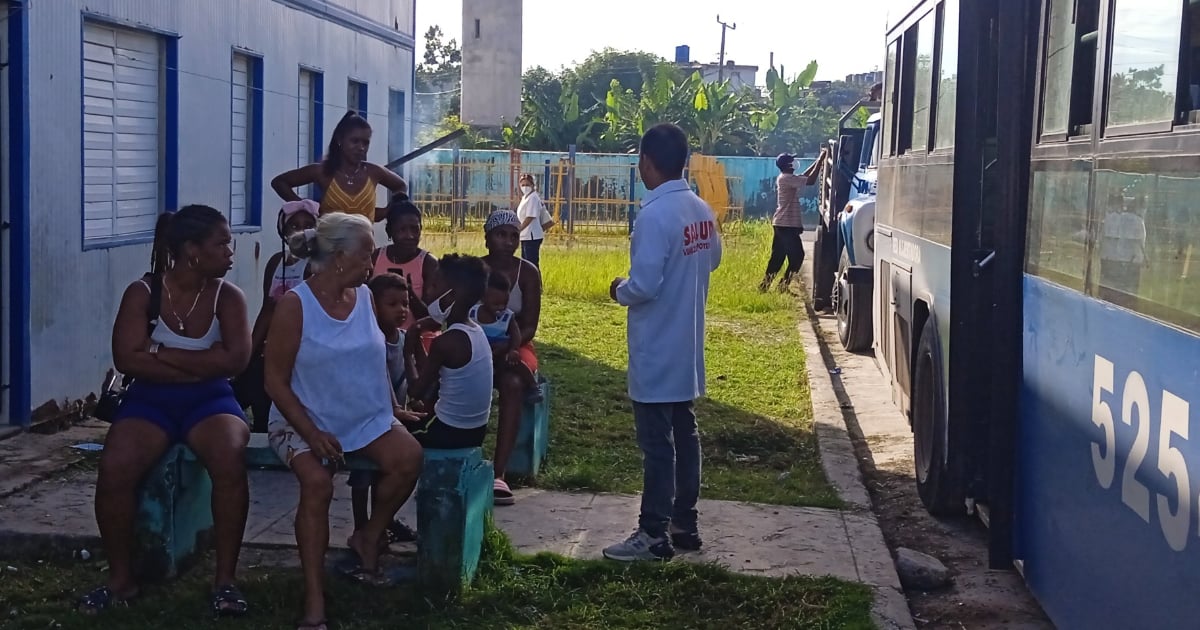
The Cuban Observatory for Human Rights (OCDH) has called on the Havana regime to promptly declare a national health emergency due to the severe epidemiological situation gripping the country. The simultaneous outbreak of multiple infectious diseases has created a health crisis of unprecedented proportions. According to a statement from the Madrid-based organization, Cuba is experiencing a major health crisis characterized by collapsing hospital services, a severe shortage of medicines, and inadequate diagnostics. Officially, there have been three reported deaths due to dengue, though there are claims that the actual number might be higher.
“The alarming health crisis, marked by a systemic failure of health services to deliver effective diagnoses and treatments, is evident in the complaints and testimonies we have received in recent hours,” the statement noted. Reports from various provinces confirm the presence of active epidemics: dengue, chikungunya, and oropouche, all mosquito-borne diseases exacerbated by inadequate fumigation and poor environmental hygiene.
Entire neighborhoods are plagued by these outbreaks, while the healthcare system lacks the necessary reagents, equipment, and personnel to manage them. Those affected are experiencing severe symptoms such as high fever, muscle pain, jaundice, profuse diarrhea, vomiting, and skin rashes. These symptoms pose a particular threat to vulnerable groups, including children, the elderly, pregnant women, and prisoners, whom the OCDH considers at the highest risk due to insufficient medical attention.
Health Crisis and Government Silence
“The Cuban people cannot continue living amid garbage, disease, and neglect. It is no longer possible to conceal this health catastrophe under official silence or disguise it as temporary difficulties,” the organization asserted, criticizing the authorities' secrecy and censorship regarding the true number of sick and deceased individuals. Medical sources cited by the observatory indicated that many Cubans avoid seeking medical care, aware that hospitals lack medicines, reagents, and basic conditions. This widespread mistrust prevents the creation of an accurate national diagnosis, which, according to the OCDH, paints “an incomplete and dangerous epidemiological picture, leaving the full extent of the problem unknown.”
The observatory also revealed that the lack of diagnostic tests and essential medications forces patients to rely on informal markets or depend on family shipments from abroad. “Families are purchasing antibiotics, pain relievers, and IV fluids through private or black-market networks, while public hospitals remain virtually empty,” the report added.
Systemic Neglect and Misallocation of Resources
The OCDH highlighted that this crisis stems from the institutional neglect of the healthcare system and the diversion of resources to sectors controlled by the military conglomerate GAESA and the export of medical services. “It is outrageous that the regime continues to send doctors abroad and export biotechnological products, while Cubans lack access to basic syringes or antibiotics,” the statement expressed. The organization urged Miguel Díaz-Canel's regime to officially acknowledge the crisis and redirect BioCubaFarma's resources for domestic use, prioritizing hospitals, clinics, and pharmacies.
Additionally, it called for an urgent plan to collect garbage, clean streets, and restore the supply of potable water as minimal epidemiological containment measures. The OCDH concluded that the country is on the brink of a widespread health emergency and that avoiding a more significant collapse requires transparency, international cooperation, and the political will to prioritize the Cuban people over elite interests.
Key Questions About Cuba's Health Crisis
What diseases are currently affecting Cuba?
Cuba is currently facing outbreaks of dengue, chikungunya, and oropouche, all of which are spread by mosquitoes.
Why is the OCDH calling for a health emergency?
The OCDH is urging the declaration due to the severe health crisis marked by a lack of medicines, inadequate hospital services, and the spread of infectious diseases.
How is the Cuban healthcare system coping with the crisis?
The healthcare system is struggling with a shortage of essential supplies and personnel, leaving many patients without adequate care.
What solutions has the OCDH proposed?
The OCDH has called for the reallocation of resources to domestic healthcare needs, transparency, international cooperation, and basic measures like garbage collection and water supply restoration.