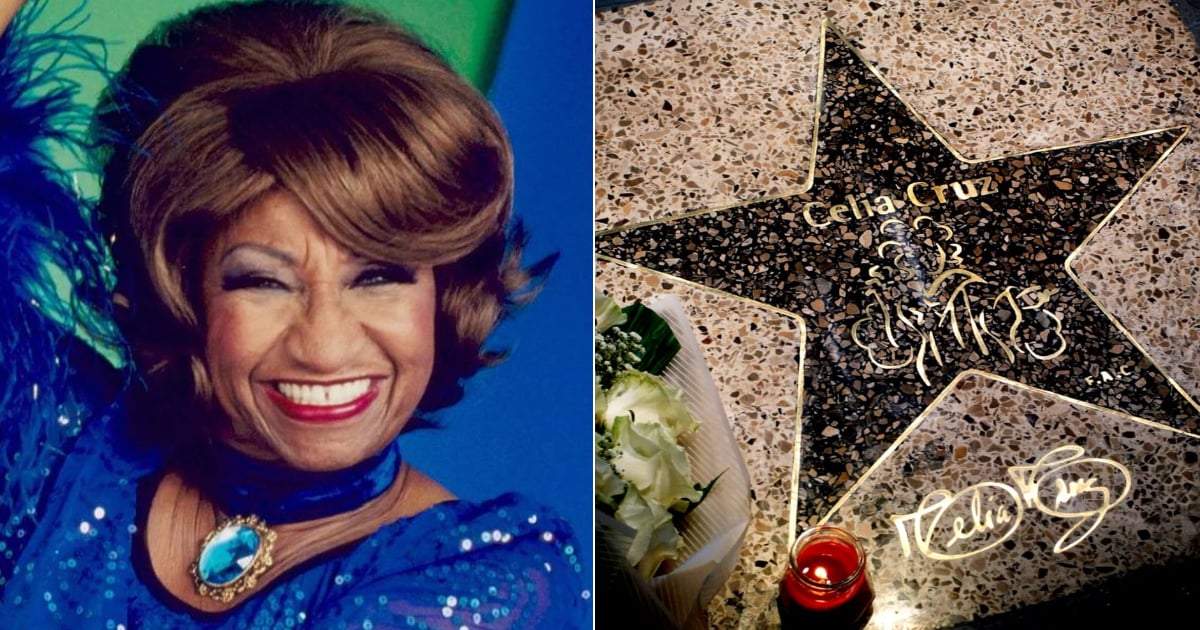
In a momentous tribute, the legendary Cuban singer Celia Cruz has finally been honored with a star in Havana, marking a centennial celebration of her birth. After enduring years of official censorship, Cruz, who is renowned worldwide as the "Queen of Salsa," has received a recognition that was once deemed impossible. The tribute was orchestrated by the Cuban Art Factory (FAC), which unveiled her star as part of their FAC Constellation project, dedicated to honoring iconic figures in Cuban culture.
This acknowledgment comes at a significant time, coinciding with the 100th anniversary of Cruz's birth. Despite decades of being silenced by Cuba's regime, Cruz's legacy remains influential. Her star now joins a distinguished group that includes Benny Moré, Juan Formell, Chucho Valdés, Alicia Alonso, Leo Brouwer, and Eusebio Leal. "This tribute aims solely to honor an artist who has left an indelible mark on our music," the FAC, led by X Alfonso, stated in a social media post. The post also featured an image of the star, crafted from polished granite and signed, with a design inspired by Cruz's image.
Prior to this tribute, the FAC faced censorship from the Ministry of Culture, which canceled a theater gala organized to commemorate Celia Cruz's centennial. The event was set up in collaboration with the Teatro El Público, but the cancellation, announced by the National Center for Popular Music, was issued without explanation, sparking outrage among Cuban intellectuals, artists, and citizens.
The Shadow of Censorship
Celia Cruz's biographer, Rosa Marquetti, criticized the cancellation as an act of cultural censorship. "For 60 years, they've feared her voice, terrified by its power to unite," Marquetti wrote online. She highlighted the hypocrisy of those who once dismissed Cruz with misogynistic and racist undertones, while her fame grew globally. Other cultural figures, like Sergio Benvenuto Solás and critic Sergio Rafael Vidal, also condemned the censorship, comparing it to totalitarian tactics of the past century.
Artistic Defiance: The Empty Chair
In a symbolic gesture of resistance, the FAC held a protest on the day the canceled performance was supposed to occur. For an hour, a single illuminated empty chair stood on stage in silence, followed by a DJ playing iconic tracks from the "Guarachera de Cuba." "A play that never was, an empty seat, silence, and the art of resistance… Celia lives," read the FAC's social media post.
A Mass for Celia: Faith and Music Defying Oblivion
Another historic moment in honoring Cruz took place on October 21, with a commemorative mass at the Parish of Our Lady of Charity in Centro Habana. Under the theme "United for Celia," the event brought together artists, faithful followers, and public figures, challenging the official silence. Notable attendees included singer Haila Mompié, musician Alain Pérez, reggaeton artist Yomil Hidalgo, and U.S. Chief of Mission Mike Hammer. Celia Cruz's official Instagram account shared the event, while her executor, Omer Pardillo Cid, praised it as an act of love and resistance.
Independent media captured the event, showcasing an atmosphere filled with emotion, respect, and pride. Cruz was remembered with flowers, prayers, and music in the very neighborhood where she was born, over twenty years after her passing in exile. "The Queen of Salsa doesn't need any government's permission to be who she is. It is us, the people, who need her to rebuild a country that seems beyond repair," Marquetti wrote.
Celia Cruz, born in Havana on October 21, 1925, passed away in exile in 2003, never having returned to her homeland. Despite being banned by the Cuban regime, her music has persisted in the hearts and homes of countless Cubans. Today, a century after her birth, her iconic shout of "¡Azúcar!" remains a symbol of identity, freedom, and hope.
Key Questions about Celia Cruz's Recognition in Cuba
Why was Celia Cruz censored in Cuba?
Celia Cruz was censored in Cuba due to her opposition to the communist regime and her decision to live in exile in the United States. Her music and influence posed a threat to the government's control over cultural expression.
What does Celia Cruz's star in Havana symbolize?
The star symbolizes a long-overdue recognition of Celia Cruz's immense contribution to Cuban music and culture, defying years of government censorship and acknowledging her lasting legacy in her homeland.
How did the Cuban Art Factory honor Celia Cruz?
The Cuban Art Factory honored Celia Cruz by unveiling a star in her name as part of the FAC Constellation project, which celebrates notable figures in Cuban culture. This act was a significant gesture of acknowledgment and tribute to her legacy.