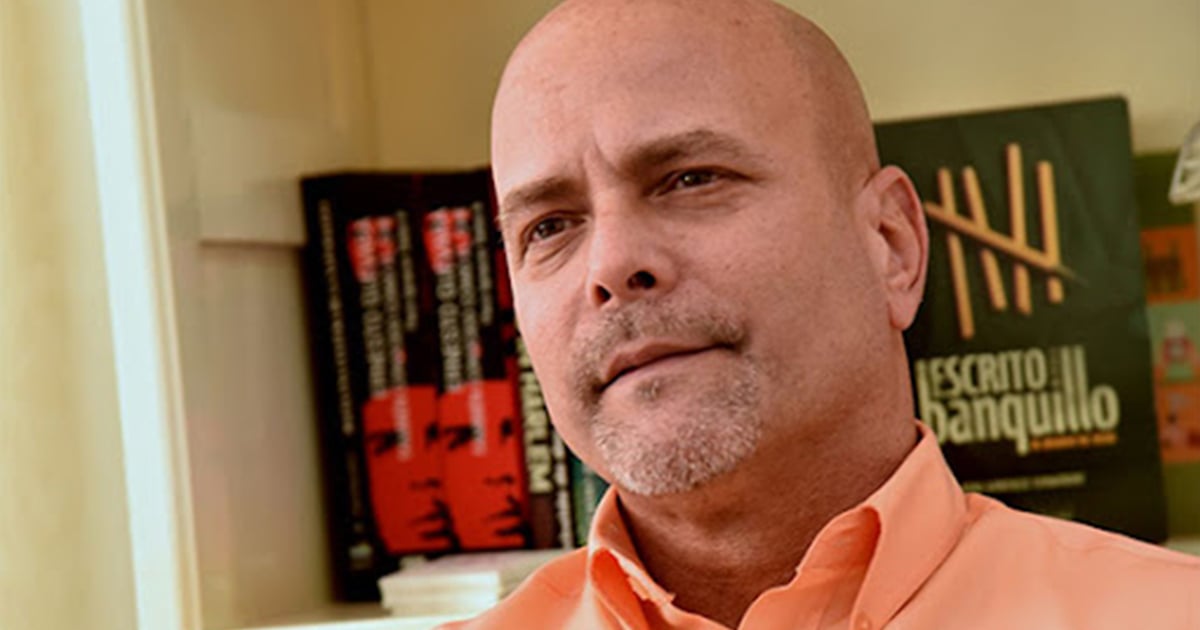
Gerardo Hernández Nordelo, a former Cuban spy and current national coordinator of the Committees for the Defense of the Revolution (CDR), recently took to social media to lash out at critics of the Cuban regime. Through a post on X, he shared a video depicting individuals living beneath a bridge in the United States, specifically in Oakland, California. He commented, “This isn’t the ‘third world,’ it’s right here in Oakland, California. Yet those who constantly criticize blockaded Cuba and depict ‘la Yuma’ as an earthly paradise surely have their justifications...”
Hernández's comparison of poverty in the United States to the situation in Cuba falls flat. On the island, a severe structural crisis has left millions of Cubans grappling with extreme shortages of food, uncontrolled inflation, and a collapsing healthcare system. In contrast, while poverty exists in the U.S., it coexists with genuine opportunities for advancement and freedom.
In Cuba, the destitution is a direct result of a repressive system that impoverishes its citizens. Many families endure life in dilapidated homes that have been crumbling for decades, with no access to essential services or hope for improvement.
Hernández's attempt to rationalize the failures of the Cuban regime only highlights the cynicism and disconnect of the leadership from the Cuban people's suffering.
Understanding Cuba's Socioeconomic Challenges
What are the main socio-economic issues in Cuba?
Cuba faces a severe economic crisis characterized by food shortages, rampant inflation, and a collapsing healthcare system. These issues are compounded by a repressive governmental system that stifles economic freedom and growth.
How does poverty in the U.S. compare to that in Cuba?
While poverty is present in both countries, the U.S. offers real opportunities for progress and freedom that are not available in Cuba. In Cuba, poverty is largely a result of systemic repression and economic mismanagement.