Since President Donald Trump terminated the humanitarian parole program, thousands of immigrants in the United States have lost their jobs, impacting industries reliant on foreign labor. This program had provided legal work permits to citizens from countries like Cuba, Haiti, Venezuela, and Nicaragua. According to an Associated Press report, the policy change has left individuals like María, a 48-year-old Nicaraguan who cleaned schools in Florida for $13 an hour, without any income or means to support her child.
After her termination in August, María's situation has become dire: “I have no money to buy anything. I have five dollars in the account. I’m left with nothing,” she said, speaking anonymously due to fears of arrest or deportation.
Trump's aggressive immigration stance aims to curb what he describes as an “invasion” at the southern border and to protect jobs for American citizens. This approach has affected both unskilled workers and highly specialized foreign professionals, according to AP.
Widespread Impact on Key Sectors
The dual impact of mass deportations and constraints on legal immigration has led to a shortage of workers in critical sectors, coinciding with a slowdown in hiring. Organizations like Goodwin Living, a Virginia-based nonprofit serving senior citizens, have had to let go of Haitian employees who had advanced thanks to the now-defunct program. CEO Rob Liebreich warned they might lose an additional 60 immigrant workers, emphasizing, “We need all those people, we need those hands.”
On July 4th, Trump signed the One Big Beautiful Bill Act, funneling $150 billion into deportation efforts, including hiring 10,000 new ICE agents and expanding detention centers. Raids have swiftly followed, such as in Georgia, where 300 South Korean workers were detained at a Hyundai battery plant, sparking a diplomatic dispute with Seoul and clashing with U.S. efforts to attract foreign investment.
Agricultural and Economic Consequences
The agricultural sector is also feeling the strain. Farmers like John Boyd Jr. in Virginia report that a lack of workers is jeopardizing food production. “These are workers who do the hard work many Americans don’t want to do,” he stated. Even the administration acknowledged that labor shortages are driving up costs in the food supply chain, potentially leading to higher consumer prices.
The immigration restrictions are affecting everyone from tomato pickers to tech developers. Trump dramatically raised the H-1B visa fee from $215 to $100,000, a move interpreted as a deterrent for foreign talent. “That amount is not just a bureaucratic step, it’s a signal: you’re not welcome here,” said Dany Bahar from the Center for Global Development.
Economic Slowdown and Future Concerns
The slowdown is already evident. From June through August, monthly job creation dropped to an average of just 29,000 new positions, compared to the 400,000 monthly average between 2021 and 2023. The Congressional Budget Office reduced this year’s economic growth forecast to 1.4%, partly due to the repercussions of Trump’s immigration and trade policies.
Analysts warn that this situation threatens not only the current job market but also the country’s long-term innovation and growth capacity. The message perceived internationally is clear: the United States is no longer a land of opportunity but one of exclusion.
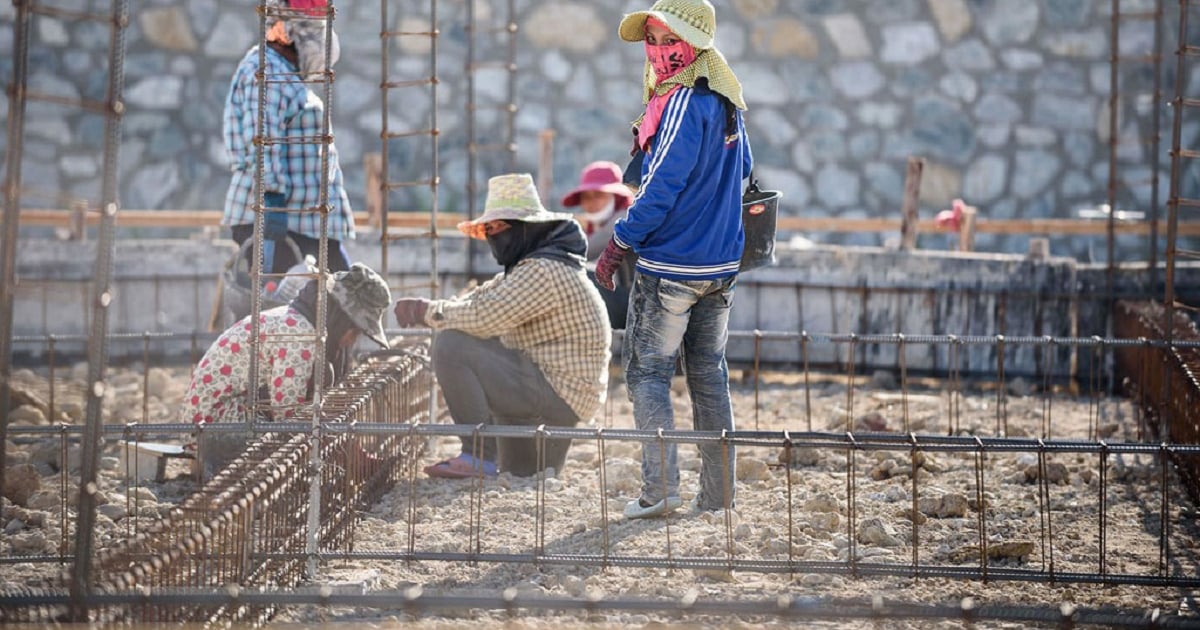
Last month, over a million immigrants vanished from the U.S. labor market as a direct result of Trump’s immigration raids. Key sectors like agriculture, construction, and personal care have lost thousands of workers, leaving crops unharvested, projects stalled, and an increasing inability to meet essential service demands.
In this environment, Florida agricultural producers warned that the harvest season could be severely compromised by the reduced influx of H-2A visa workers. Although these employees are legally permitted, fears of raids and arbitrary detentions have discouraged their participation. Farmers report that even those with complete documentation have faced scrutiny from immigration authorities, creating an insecure atmosphere that threatens local production.
Under pressure from the agricultural sector, Trump publicly acknowledged the importance of immigrants for agriculture and suggested his administration is considering mechanisms to legally allow certain deported workers to return. Despite this apparent shift in tone, no effective measures have been implemented to ease the situation in the fields, leaving employers and laborers in limbo.
Organizations and lawmakers have warned that economic losses could escalate if a more coherent immigration policy aligned with the country’s productive needs is not established. Meanwhile, an academic report highlighted that Latinos have been crucial in sustaining the U.S. economy during and after the pandemic. If the Latino GDP were an independent economy, it would rank as the fifth largest in the world. Their participation in essential sectors such as health, transportation, agriculture, and services has been vital for the country’s sustained growth in recent years.
This contribution starkly contrasts with the tightening of immigration policies that now threaten to halt the economic development driven by those who have contributed the most to sustaining it.
Understanding the Impact of Trump's Immigration Policy
How has Trump's immigration policy affected the U.S. labor market?
Trump's immigration policy has resulted in the loss of jobs for thousands of immigrants, particularly impacting sectors that rely on foreign labor. This has led to a shortage of workers in critical areas such as agriculture, construction, and personal care, exacerbating the slowdown in hiring.
What economic consequences have arisen from these immigration policies?
The economic consequences include increased labor shortages, rising costs in the food supply chain, and a potential increase in consumer prices. The Congressional Budget Office has also lowered its economic growth forecast due to these immigration and trade policies.
How are Latino immigrants contributing to the U.S. economy?
Latino immigrants have played a crucial role in sustaining the U.S. economy, particularly during and after the pandemic. Their involvement in essential sectors such as health, agriculture, and transportation has been pivotal for the country’s growth. If considered an independent economy, the Latino GDP would rank as the fifth largest globally.