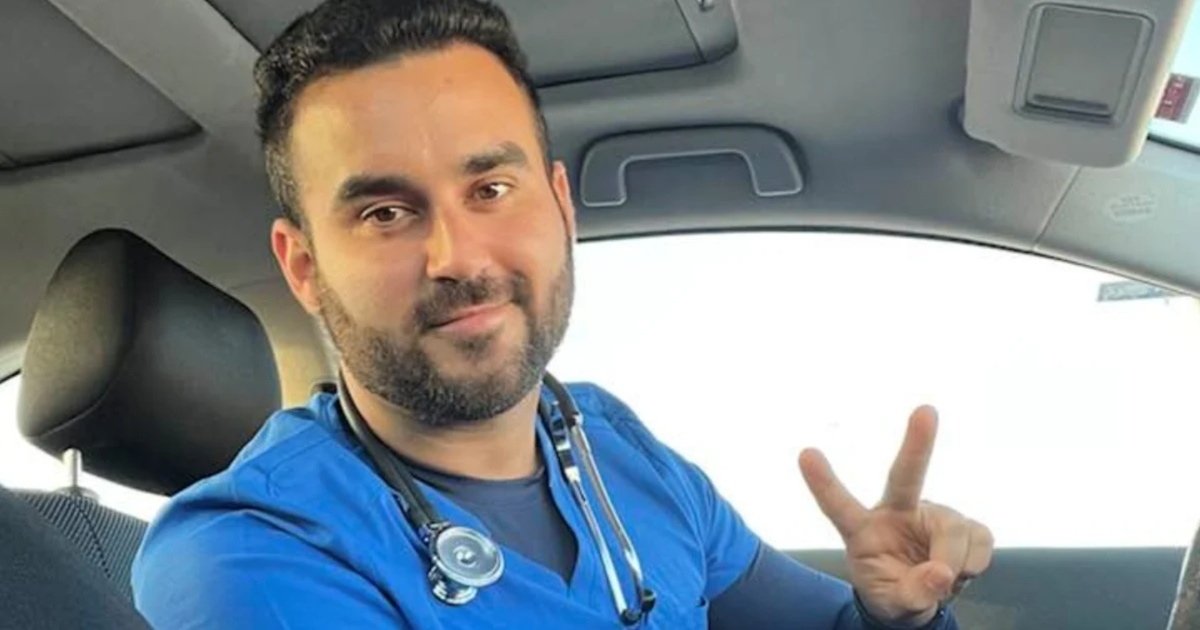
Manuel Guerra, a Cuban doctor who fled the country in 2022 after being threatened with imprisonment by the State Security for his outspoken criticism of the regime, describes the island's healthcare system as a "dying entity corroded by misery." In a social media post, Guerra highlighted the crumbling state of hospitals, the severe shortage of medications, and the mass exodus of healthcare professionals, painting a stark contrast to the official narrative of a "medical powerhouse."
Trained in Cuba and now residing in the United States, Guerra is on the cusp of revalidating his medical license. He argues that the state's rhetoric hides a "painful" reality: dilapidated facilities, empty pharmacies, and the exporting of doctors as "diplomatic commodities." He summarized his thoughts by stating, "Free healthcare without quality is an illusion; a system devoid of resources, freedom, and ethics cannot save anyone."
According to Guerra, by 2023, over 13,000 doctors had left the national healthcare system, leaving clinics empty and hospital wards unattended. He also reports that more than 70% of essential medicines are unavailable, with hospital infrastructure crumbling—walls collapsing, and operating rooms lacking electricity and water.
Guerra recounts a personal work injury (a stable fibula fracture) and describes an "immediate and humane" care process: accurate diagnosis, workers' compensation coverage, provision of medications, orthotics, crutches, and follow-up care within hours, all without rationing or prolonged waiting periods. He also mentions having family insurance funded by his salary and taxes.
The testimony criticizes Cuba for dispatching medical brigades abroad while citizens at home beg for basic medicines. In contrast, Guerra cites U.S. programs like Vaccines for Children, which ensures childhood immunizations regardless of insurance status, arguing that despite its challenges, the U.S. healthcare system is "more robust and functional" than Cuba's.
Guerra concludes with a call to restore the dignity of healthcare, urging that the white coat become a symbol of vocation rather than political servitude. Known for his opposition to the Castro regime, Guerra left Cuba in 2022 after his mother urged him to escape before facing imprisonment. He reached the United States in March that year, after crossing multiple borders with his pregnant partner. In September, he announced the birth of his first child, named Ian. Last April, he obtained a license as a physician assistant in the United States.
Cuban Healthcare System Challenges
What does Manuel Guerra say about the Cuban healthcare system?
Manuel Guerra describes the Cuban healthcare system as a "dying entity corroded by misery," highlighting issues such as decaying hospitals, medication shortages, and a mass departure of healthcare professionals.
How does Guerra contrast Cuban and U.S. healthcare systems?
Guerra contrasts the systems by pointing out that despite challenges, the U.S. system is "more robust and functional," citing programs like Vaccines for Children that provide immunizations regardless of insurance status.
What personal experience did Guerra share about healthcare in the U.S.?
Guerra shared his experience with a work injury, describing the "immediate and humane" care he received in the U.S., including accurate diagnosis, coverage, and follow-up care without delays.