In an unprecedented shift within its rigid state-controlled economic model, the Cuban government is set to lease hotels to international chains that are currently managing them. This move grants these companies an autonomy previously denied by the regime. The strategy aims to attract foreign currency and revitalize tourism—a sector that has been severely impacted in the national economy as the island struggles to maintain these establishments.
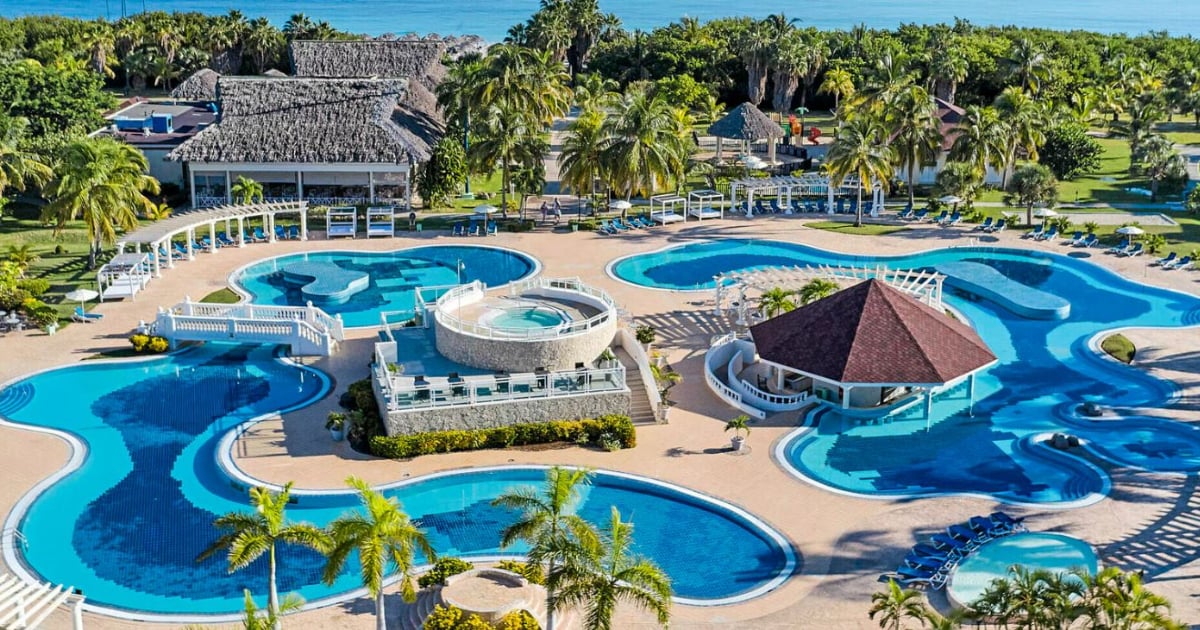
Sources involved in the negotiations confirmed to EFE that the first implementation of this initiative will take place at the Iberostar Origin Laguna Azul hotel in Varadero. The lease agreement with the Spanish chain Iberostar is scheduled to commence on January 1, 2026.
Until now, foreign chains operating in Cuba could only manage state-owned hotels under a joint arrangement, which included a dual leadership system: one Cuban manager appointed by the Ministry of Tourism and another from the foreign company. Under the new framework, companies will have the ability to directly manage the facilities through leasing contracts—a structure unseen in over sixty years of centralized control.
Prime Minister Manuel Marrero Cruz had previously hinted at this possibility during the FITCuba 2025 tourism fair, suggesting the lease of state properties as a means to "energize the sector."
Negotiations with Iberostar are expected to be finalized first, with talks also underway with Chinese chains interested in the Hotel Copacabana in Havana, as reported by the official newspaper Granma.
Objectives of the New Leasing Model
Analysts suggest that this new model serves a dual purpose. Firstly, it aims to increase foreign currency earnings amidst a severe economic crisis marked by shortages in essential food and fuel imports. Secondly, it seeks to enhance hotel service quality by granting more management freedom to foreign chains, which have so far been constrained by the rigid controls of the military conglomerate GAESA, dominating the country's tourism industry.
"The measure aims to allow chains to establish their own investment, quality, and staffing strategies without waiting for state enterprise approvals," remarked a source from the tourism sector.
Impact on Hotel Workforce
Previously, foreign chains were required to pay the wages of their Cuban staff in foreign currency to the state, which then transferred them to employees in Cuban pesos, retaining a significant margin. The new leasing contracts will enable companies to directly set salaries and work conditions—one of the main demands of the hotel sector's workforce.
Current Challenges in Cuban Tourism
Cuban tourism is experiencing one of its most challenging periods since the beginning of the century. As of 2025, international arrivals have declined compared to the previous year, with projections indicating around 1.8 million visitors, down from 2.2 million in 2024 and a record 4.7 million in 2018.
The government hopes to reverse this trend through the new leasing strategies and increased foreign involvement in managing tourism infrastructure. Tourism remains one of the top three sources of foreign currency for the country, alongside professional services abroad and family remittances.
Understanding Cuba's New Hotel Leasing Strategy
What is the new hotel leasing model in Cuba?
The Cuban government is leasing hotels to international chains, allowing them to manage the facilities directly. This model replaces the previous joint management system where a Cuban manager worked alongside a foreign company's manager.
Which hotel will be the first under the new leasing system?
The first hotel to operate under the new leasing system will be the Iberostar Origin Laguna Azul in Varadero, starting January 1, 2026.
How will this change affect Cuban hotel employees?
Under the new leasing agreements, international chains can directly set wages and work conditions for Cuban employees, addressing a key demand in the hotel sector.