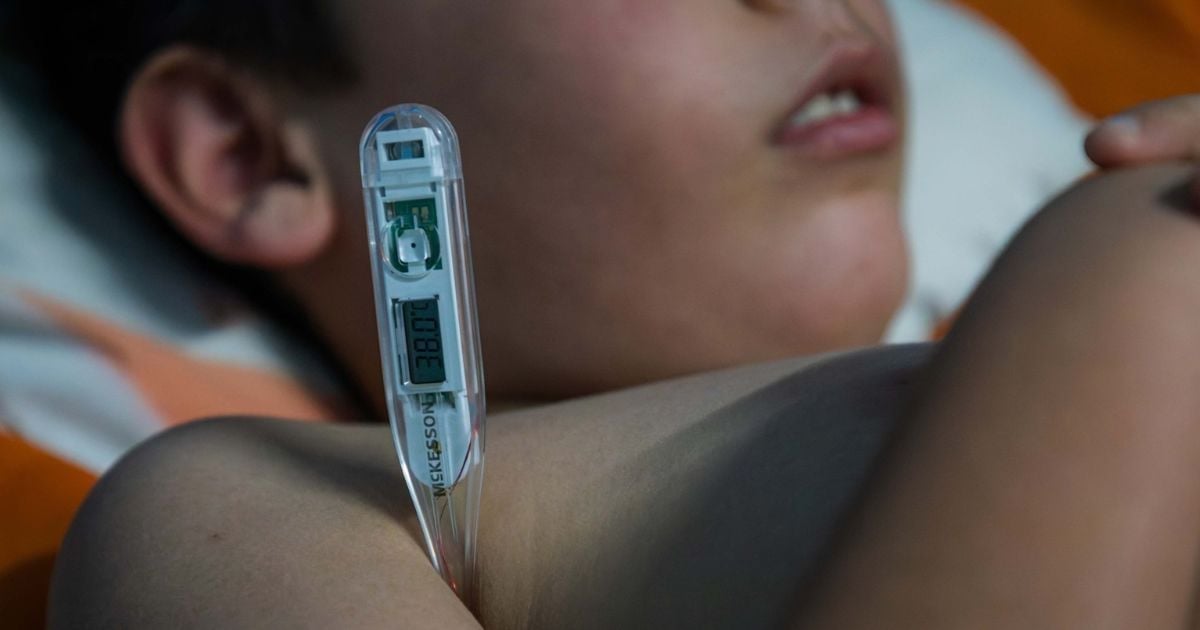
The Cuban physician, Lázaro Elieser Leyva García, a specialist in Internal Medicine with academic training in Spain, has highlighted that the current epidemiological scenario in Cuba renders dengue fever more perilous than in previous years, especially for individuals who have previously contracted the disease. Known on social media as Lázaro E. Libre, the doctor shared a comprehensive post on Facebook following the death of a young man from Cárdenas, Matanzas, due to hemorrhagic dengue, an incident that has deeply affected the province.
The Complexity of Dengue Variants
Dr. Leyva emphasized that dengue is not a singular illness but a group of four variants: DEN-1, DEN-2, DEN-3, and DEN-4. Contracting one type of dengue does not ensure complete immunity, as the body develops resistance only to the specific strain it has encountered. This explains why subsequent infections can be more hazardous; the immune system can become "confused," potentially aiding the virus's spread rather than combating it.
Reinfection Risks and Severe Outcomes
"The body mistakenly believes it is battling the same foe, which results in aiding the virus's proliferation," Leyva stated. This confusion can lead to severe or hemorrhagic forms of dengue. As a former member of the infectious diseases committee at the Arnaldo Milián Castro Hospital in Villa Clara, the doctor noted that multiple virus strains circulate concurrently in Cuba, elevating the risk of severe complications, such as bleeding and potentially fatal conditions, upon reinfection.
Preventive Measures and Safe Practices
The doctor stressed that prevention remains the most effective defense in the absence of a universally accessible vaccine. He advised eliminating Aedes aegypti mosquito breeding sites, using protective measures, and seeking medical attention for any febrile symptoms, particularly in those previously afflicted by dengue. He also warned against self-medicating with aspirin or ibuprofen, which can exacerbate internal bleeding, recommending paracetamol instead, but only under medical guidance.
A Call for Awareness and Responsibility
Dr. Leyva concluded his message with a plea for individual and collective responsibility: "Hemorrhagic dengue doesn't occur by chance; it's a consequence of reinfection with a different strain. This isn't about causing alarm but fostering understanding. Only those who comprehend the risk can take steps to prevent it. Prevention isn't panic; it's self-care and a responsibility to life."
While the doctor offers scientific advice, the Cuban regime's negligence reaches absurd levels. Amidst lengthy power outages of up to 20 hours daily and the government selling repellents in dollars, Vice Minister of Public Health, Carilda Peña—unlikely to endure such power cuts—suggested burning citrus peels as a traditional method to repel dengue mosquitoes during the arbovirus surge affecting the country.
Understanding Dengue Risks in Cuba
Why is dengue more dangerous in Cuba now?
The current epidemiological context in Cuba, with multiple dengue strains circulating, increases the risk of severe outcomes from reinfections.
What preventive measures can be taken against dengue?
Preventive measures include eliminating mosquito breeding sites, using protective barriers, and seeking medical advice for fever symptoms, especially after a previous dengue infection.
Why should aspirin and ibuprofen be avoided in dengue cases?
Aspirin and ibuprofen can worsen internal bleeding in dengue cases, making them dangerous. Paracetamol is the safer option, but it should only be used under medical supervision.