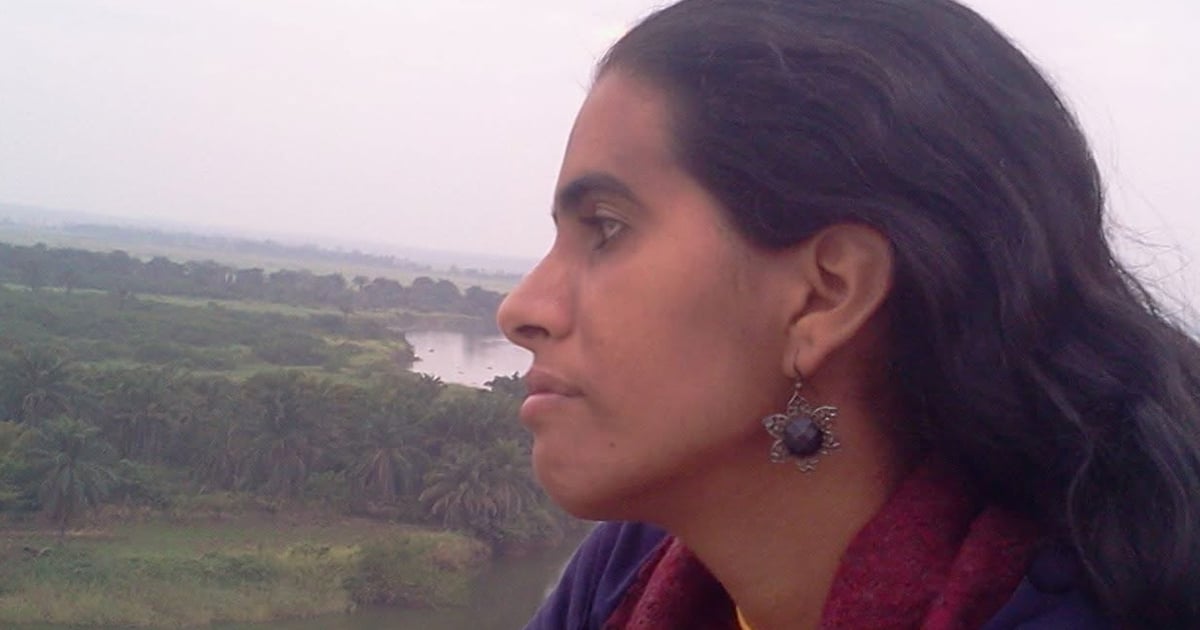
Cuban activist Anamely Ramos has brought to light the tragic passing of her grandmother in Camagüey, amidst the country's severe healthcare crisis and the lack of transparency by the Ministry of Public Health (MINSAP) concerning the spike in dengue cases and other viral illnesses. "We thought it was dengue, but then we just didn't know anymore. Many people are dying in Cuba this way, without even knowing what they have," Ramos stated on her Facebook page, where she detailed the challenges her family faced, including the difficulty of laying her grandmother to rest.
Ramos recounted that the cemetery authorities in Camagüey chose not to bury anyone that day due to inadequate conditions caused by rain. As a result, her family had to resort to cremating the body after nearly a day of waiting to receive the ashes. A former university professor and member of the San Isidro Movement (MSI), Ramos wrote a heartfelt tribute to her grandmother, lamenting how in Cuba, "people are dying in many different ways. Life and death are increasingly blurred here," adding that "seeing it from outside is no less painful."
Ramos has been unable to return to the island since 2022, when the Cuban regime banned her from entering her homeland—a decision enforced by American Airlines under orders from the Havana government.
Cuba's Healthcare System Under Scrutiny
Ramos's words resonate during a time of mounting concern among Cubans regarding the spread of dengue and other vector-borne diseases, while MINSAP has only acknowledged three dengue-related deaths nationwide in 2025. This figure, provided by Deputy Health Minister Carilda Peña García, marks the first official admission of such fatalities this year, following weeks of institutional denial and refutations of citizen reports about the surge in severe cases, particularly in Matanzas.
Despite the ministry's claims that the deaths were "supported by necrological studies," it failed to provide specific details regarding the ages, provinces, or clinical conditions of the deceased, further fueling public distrust. Meanwhile, accounts from families—like that of Anamely Ramos—highlight the dire state of hospitals, the shortage of medical supplies, the breakdown of the funeral system, and the neglect patients face in their homes.
"I know many might think I'm using personal issues to make a political statement. I don't care. The only politics that matter to me are the ones that activate when human dignity is trampled, and this can happen in life as well as in death," Ramos wrote.
From her forced exile, Ramos expressed her grief over not being able to say goodbye: "The only way I found at this moment to stay close while being far," she said, sharing a photo of her grandmother with her son as a child. Her testimony adds to numerous other Cubans who criticize the healthcare collapse and the government's opacity in a country where, as she wrote, "life and death are increasingly blurred."
Understanding the Healthcare Crisis in Cuba
What led to the healthcare crisis in Cuba?
The healthcare crisis in Cuba is primarily due to systemic failures, lack of resources, and insufficient transparency from the government, exacerbated by the increase in dengue and other viral infections.
How has Anamely Ramos highlighted the issues within Cuba?
Anamely Ramos has used her platform to share personal stories, such as the passing of her grandmother, to shed light on the dire healthcare situation and the government's lack of transparency and accountability.
What are the reported official statistics on dengue-related deaths in Cuba?
The Ministry of Public Health in Cuba has officially acknowledged only three dengue-related deaths in 2025, despite widespread reports of a significant increase in cases.