For the third year in a row, Florida has emerged as the leading state in the U.S. for literary censorship in public schools, with a staggering 2,304 book titles either banned or removed from school libraries. This troubling trend is highlighted in a report by PEN America, a prominent writers' association advocating for free expression and literature as a fundamental right.
"Never before in American history have so many books been systematically removed from school libraries nationwide," the report warns. "The right to discover is being stripped from students under the guise of their 'protection,'" it adds, emphasizing that book bans harm public school systems and restrict education opportunities.
The Impact of State Laws and Political Pressure
This wave of literary censorship in Florida isn't happening by chance. In 2022, Governor Ron DeSantis enacted law HB 1467, which limits access to books in classrooms containing sexual content or references to LGBTQ+ individuals. Further legislation, like the "Don't Say Gay" bill and the "Stop WOKE" Act, curtail discussions on sexual orientation, gender identity, racism, and sexism.
Such laws have fostered a climate of fear among librarians and educators, prompting them to remove books preemptively, even before formal reviews are completed. The report highlights that "97% of the bans were not due to mandatory laws, but rather the fear of violating them."
Banned Books: From Classics to Contemporary Works
The list of banned books in Florida's school districts spans from classic literature to contemporary bestsellers and academic texts. Notable titles, banned at least in one district, include:
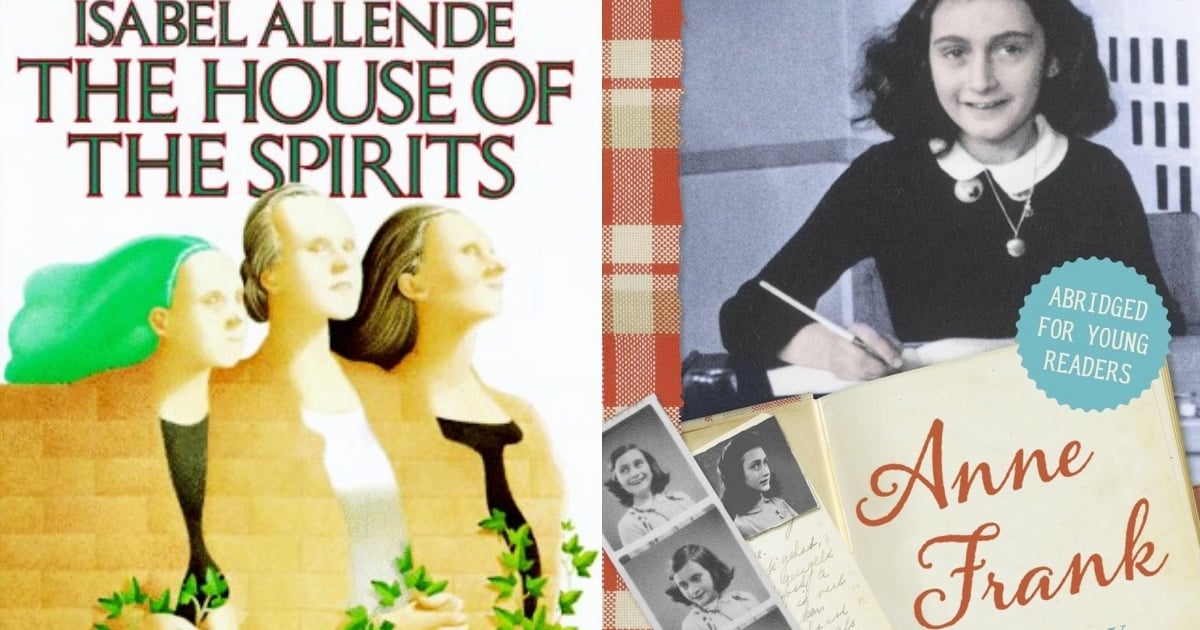
- The graphic adaptation of The Diary of Anne Frank by Ari Folman.
- The Bluest Eye by Toni Morrison.
- The Handmaid's Tale by Margaret Atwood.
- One Hundred Years of Solitude by Gabriel García Márquez.
- The House of the Spirits by Isabel Allende, under review in Hillsborough County.
- Zorro by Isabel Allende.
- Fahrenheit 451 by Ray Bradbury.
- The Perks of Being a Wallflower by Stephen Chbosky.
- Wicked by Gregory Maguire.
- Breathless by Jennifer Niven.
- Sold by Patricia McCormick.
- Ace of Spades by Faridah Àbíké-Íyímídé.
- What Girls Are Made Of by Elana K. Arnold.
- A Complicated Love Story Set in Space by Shaun David Hutchinson.
Even biology textbooks have been removed for addressing topics such as climate change, evolution, COVID-19, and mask usage.
A National Phenomenon Intensifies
In the 2024-2025 school year, 6,870 titles were banned across 87 school districts in 23 states, affecting 2,308 authors, 243 illustrators, and 38 translators. The most banned book last year was A Clockwork Orange by Anthony Burgess, prohibited in 23 districts nationwide.
Understanding School Book Bans
PEN America defines a school book ban as any action that, due to the book's content and in response to external pressures (from parents, authorities, laws), limits or removes its availability to students, whether in school libraries, classrooms, or as part of the curriculum. Detected forms of censorship include total bans, age-level restrictions, or requiring parental permission.
Beyond Books: The Broader Threat of Censorship
The reach of censorship extends beyond books, affecting book fairs, literary donations, and even guides on free expression. Rejected textbooks, and curricula banned for portraying Christopher Columbus controversially or referencing the Black Lives Matter movement, are just a few examples. PEN America argues these attacks aim to "destroy open educational climates, erase critical narratives, and suppress representations of diverse communities."
Despite the rise in censorship, the report highlights the mobilization of parents, authors, students, librarians, and organizations like the ACLU, Let Utah Read, EveryLibrary, and Fight for the First, who are actively working to reverse these bans. "Where bans occur daily, resistance is also daily," asserts PEN America, noting advocacy efforts in 70 of the 87 censored school districts.
Florida has become emblematic of a wider ideological offensive spreading across the United States. What began as a campaign to "protect children" has ended up banning essential stories crucial for understanding the world, diversity, and the human experience. PEN America sums it up succinctly: "This isn't just about censoring a book. It's about controlling the entire narrative."
Defending the freedom to read—in schools, libraries, and homes—is also about defending democracy, civil rights, and equitable access to education.
Frequently Asked Questions about Book Bans in Florida
Why is Florida leading in school book bans?
Florida leads in school book bans due to recent state legislation and political pressures that restrict access to certain types of content in schools.
What types of books are being banned in Florida?
Books being banned in Florida range from classic literature to contemporary bestsellers, including titles that discuss LGBTQ+ themes, racial issues, and controversial historical figures.
How does PEN America define a school book ban?
PEN America defines a school book ban as any measure that limits or eliminates a book's availability to students due to its content, often in response to external pressures.