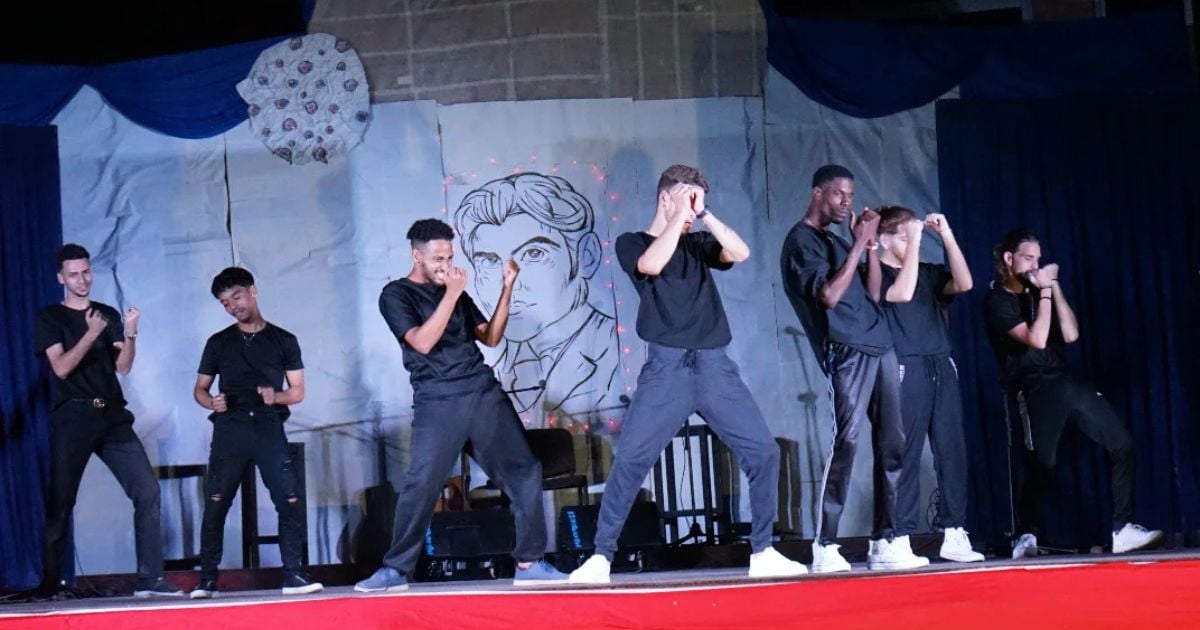
The scheduled National Amateur Artists Festival, set to take place on October 17 and 18 in Cuba, has been postponed due to government intervention amidst a worsening health crisis in the country. This decision not only acknowledges the severe public health issues plaguing the nation but also marks an unusual display of transparency from the regime, holding off an event to prevent further complications.
According to the official statement from the National Council of Cultural Houses, as reported by the newspaper Venceremos, the postponement is a response to the “sustained increase in vector-borne diseases, particularly arboviruses,” which have recently impacted several provinces. The notice emphasizes that the suspension is intended to “safeguard the health of participants, the audience, and organizational teams,” highlighting the priority placed on collective welfare “amid the current health scenario.”
As one of the primary platforms for promoting amateur arts in Cuba, the festival annually gathers hundreds of participants nationwide in disciplines such as dance, music, and theater. Its delay underscores the gravity of the epidemiological crisis sweeping the island, exacerbated by medical shortages, lack of insecticides, and the deteriorating public healthcare infrastructure.
The leadership of the National Council of Cultural Houses expressed gratitude for the artists' enthusiasm and dedication, assuring that a new date for the event will be announced “once conditions allow.”
The health crisis in Cuba has reached alarming levels, with the Ministry of Public Health acknowledging, for the first time, fatalities due to dengue fever. This official admission corroborates what doctors, patients, and activists have been voicing for weeks: the healthcare system is failing to contain the spread of the Aedes aegypti mosquito and curb the rise in severe cases, in a situation compounded by shortages of insecticides, medicines, and trained personnel.
The complexity of the situation is heightened by the simultaneous presence of multiple vector-borne viruses. Cuba is battling a combined outbreak of dengue, chikungunya, and Oropouche fever, with significant spread in provinces like Havana, Santiago de Cuba, Guantánamo, Villa Clara, and Matanzas.
The collapse of the public health system is evident: overwhelmed hospitals, minimal fumigation efforts, and entire neighborhoods left without adequate care or access to basic treatments. Despite the epidemiological alert being raised and diseases spreading across various regions, Matanzas proceeded with its Cultural Week, hosting mass events and gatherings.
Activities such as the “Viva el Circo” show and open-air concerts took place amidst the health emergency, defying fundamental public health recommendations and putting children, the elderly, and entire families at risk of infection. Instead of imposing health restrictions, the government has chosen to ramp up recreational and propaganda activities, now hoping that the onset of winter will reduce infestation levels.
The Health Crisis in Cuba: Key Concerns and FAQs
What prompted the postponement of the National Amateur Artists Festival in Cuba?
The festival was postponed due to a severe increase in vector-borne diseases, particularly arboviruses, affecting the country's health scenario. The government aimed to protect the health of participants and the public.
How serious is the current health crisis in Cuba?
The health crisis is very serious, with the Ministry of Public Health acknowledging dengue-related fatalities. The healthcare system is struggling to manage the spread of diseases due to shortages in insecticides, medicines, and personnel.
What are the main challenges facing Cuba's public health system?
Cuba's health system is overwhelmed by hospitals at capacity, insufficient fumigation, and neighborhoods lacking basic medical care. There is also a simultaneous outbreak of multiple vector-borne diseases.