A private entrepreneur from Guantánamo has highlighted the severe financial damage that persistent power outages in the province have inflicted on his small business, which specializes in selling refrigerated food. Speaking to journalist Mario J. Pentón, he revealed the devastating impact these electrical disruptions have on Cuba's fledgling private sector.
"For the last ten days, we've only had electricity for one or two hours a day, with outages lasting 22 or 23 hours," said the businessman. He reported that his micro, small, and medium-sized enterprise (MSME) has already lost over two million pesos because the lack of power prevents proper food preservation.
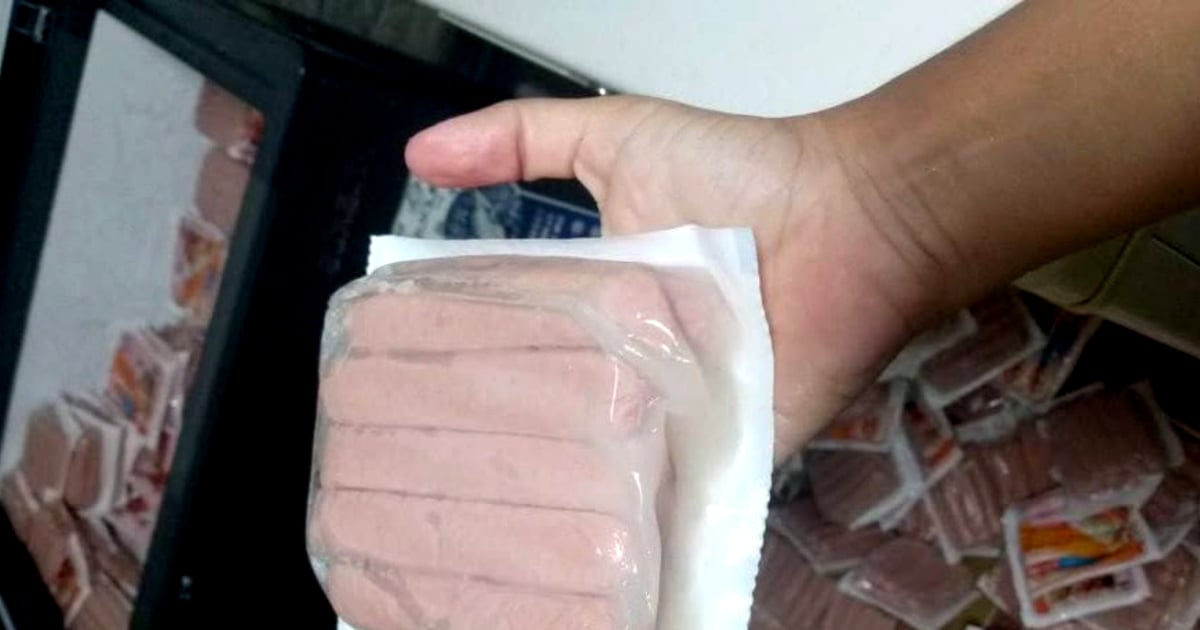
Images shared by the businessman show packages of sausages and cold cuts stored in refrigerators, some of which have started to spoil due to insufficient cooling. Despite having the necessary infrastructure to maintain the food's quality, the unpredictable power supply has left him stranded. "No one warned us this was coming. You just wake up to find 23 hours without power, and no one cares about your million-peso investment," he lamented, emphasizing his commitment to consumer safety: "I would never sell this to Guantánamo's already ailing population."
The entrepreneur clarified that his business operates independently of the more powerful MSMEs and lacks state support, surviving solely through the daily efforts of his team. "We are hard-working people, toiling from Sunday to Sunday, paying exorbitant taxes," he stated.
Enduring Power Outages and Economic Strain
Power outages, which the Cuban regime attributes to "generation deficits," have intensified in recent weeks, impacting both households and private businesses. "Today it's 23 hours, tomorrow it could be seven consecutive days without power. This country is a death trap for entrepreneurs," the businessman concluded.
His grievances echo the growing dissatisfaction within the private sector over an energy crisis that threatens business survival and exacerbates food shortages in eastern Cuba.
Energy Crisis Deepens Private Sector Challenges in Guantánamo
According to the Ministry of Economy and Planning's list of approved MSMEs, only two private small and medium-sized food-related businesses (TUMABA and ALIMYTRANS) are registered in Guantánamo. It's unclear if the complaint relates to either, but the low number of such enterprises underscores the structural challenges facing Cuban MSMEs, particularly in peripheral provinces.
Extended power outages, unreliable access to fuel, and government-imposed import and pricing restrictions have created a highly vulnerable environment for the private sector. Business owners and their teams face substantial financial losses from inadequate refrigeration, supply chain interruptions, and instability that hinders medium-term planning for production and trade.
Many entrepreneurs have reported that authorities offer no logistical alternatives or compensation for the energy crisis's impacts, yet maintain high taxes and regulatory demands. The situation in Guantánamo exemplifies a national trend: MSMEs—intended to invigorate the economy—are struggling amid prolonged outages, rising inflation, and institutional distrust, turning each workday into a test of endurance.
Impact of Power Outages on Cuban MSMEs
How do power outages affect small businesses in Cuba?
Power outages lead to significant financial losses for small businesses, particularly those relying on refrigeration to preserve goods. They disrupt supply chains, hinder planning, and create an unstable business environment.
What challenges do private entrepreneurs face in Guantánamo?
Private entrepreneurs in Guantánamo face challenges such as prolonged power outages, lack of state support, high taxation, and regulatory constraints, all of which impact their ability to operate effectively.