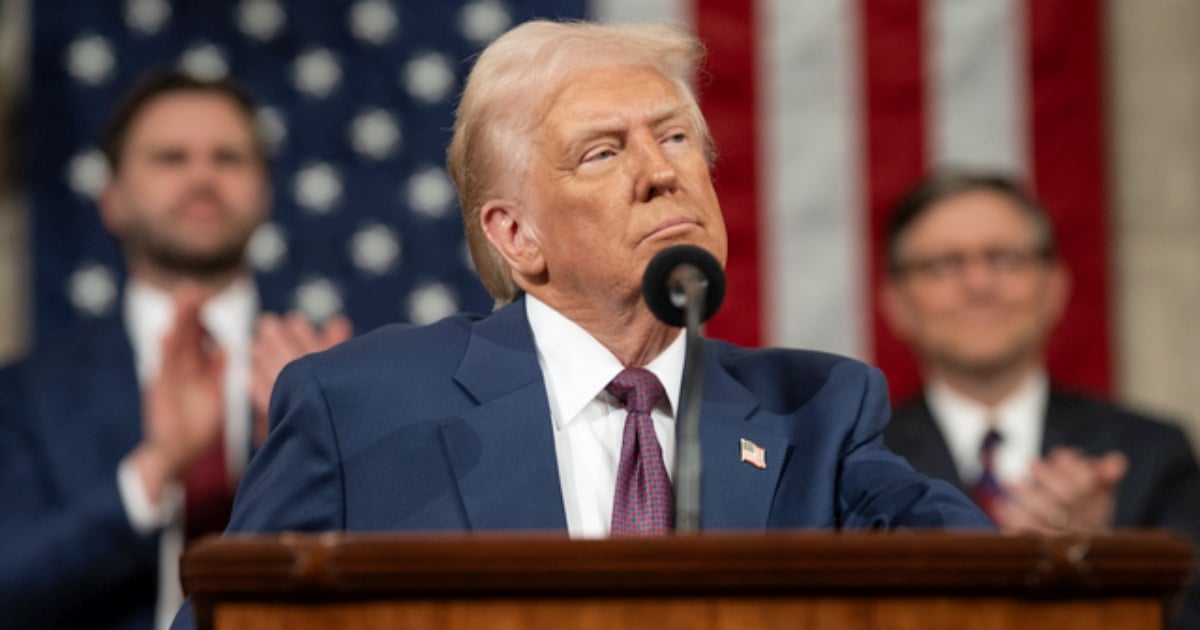
The United States is grappling with another political and administrative crisis as its federal government remains partially shut down for over two weeks. This impasse threatens to become the longest shutdown in the nation's history, a possibility highlighted by House Speaker Mike Johnson on Monday. "We are on the brink of one of the longest shutdowns in U.S. history," Johnson stated, amid a deadlock in Congress that exacerbates uncertainty for millions reliant on government services and subsidies.
This ongoing government shutdown, sparked by a clash over the Affordable Care Act (Obamacare), has rendered several agencies inactive and left tens of thousands of federal employees unpaid. Unlike prior shutdowns, the Trump administration is using this one to execute widespread layoffs and cuts across various departments, a move that has prompted legal challenges from unions and criticism even within the Republican Party.
A Stalled Congress and Unyielding Leadership
Louisiana Republican Mike Johnson, a close ally of President Trump, has made it clear he will not convene new legislative sessions or engage in negotiations with Democrats until they drop demands concerning healthcare. "We are heading towards one of the longest shutdowns in U.S. history unless Democrats abandon their partisan demands and pass a clean budget to reopen the government and pay our federal workers," Johnson told the press.
The House has been inactive since July 3, totaling just 20 working days in over three months. This inactivity stands in stark contrast to the severity of the situation, especially as the Senate, having returned from a holiday recess, continues to unsuccessfully vote on temporary measures to end the shutdown. Meanwhile, Democratic Representative-elect Adelita Grijalva has been unable to take her seat due to the House's gridlock, preventing progress on a crucial vote concerning the disclosure of files related to the Epstein case, a move critics see as an attempt to hide sensitive information.
Obamacare at the Heart of the Conflict
The core of the government shutdown is the disagreement over federal subsidies for health insurance under the Affordable Care Act. This state aid, vital for over 24 million Americans, is set to expire on December 31, making its renewal a top priority for Democrats. Republicans, however, wish to separate this issue from budget negotiations, arguing it can be addressed later—a stance that has drawn sharp criticism. According to the Kaiser Family Foundation, failure by Congress to act could see health insurance premiums double by January 2026.
"Can we completely repeal and replace Obamacare? Many of us are skeptical now because its roots are very deep," Johnson admitted, acknowledging the difficulty his party faces in eliminating the law, a goal Trump unsuccessfully pursued in 2017. Despite this, the Republican leader insists on not negotiating with "hostages" and demands the government reopen before addressing healthcare issues, a strategy analysts warn could impact millions before any resolution is reached.
Real-World Impact: Unpaid Workers and Suspended Services
The shutdown's impact is extensive, affecting everything from museums to airports. The Smithsonian Institution has closed its 21 museums and the National Zoo, leaving millions of visitors without access to these cultural sites. Airport operations are disrupted due to a lack of staff, as federal employees await their next paycheck.
The Pentagon reported it managed to pay military personnel with $8 billion in unused research and development funds, temporarily averting a potential defense crisis. It was also confirmed that the Coast Guard will continue to receive pay. However, departments like Education are among the hardest hit, with interruptions in special education and extracurricular programs.
The Congressional Budget Office has indicated that other mandatory funds could be used to cover essential activities, but the outlook remains uncertain. "The government could also decide to use mandatory funds provided in the 2025 reconciliation law," explained the office, mentioning Defense, Treasury, and Homeland Security as agencies with remaining resources.
The Political Dimension: Trump's Role, Unions, and Republican Strategy
President Donald Trump has endorsed his party's strategy, personally ordering the use of available funds to pay troops. "I will not allow Democrats to hold our Armed Forces hostage," he declared on his social media platform, Truth Social. Vice President J.D. Vance warned of "painful" cuts, while government employee unions have initiated lawsuits to stop what they view as arbitrary layoffs.
From the opposition, Democratic leader Hakeem Jeffries criticized the power vacuum in the House: "They are nowhere to be found." Meanwhile, Senator Chuck Schumer accused Johnson of prioritizing Trump's interests over those of the American people.
A Risky Political Gamble
Electorally, Republicans face pressure due to a perception of inaction. As noted by MSNBC, "just 20 days of session in over three months is an astonishingly low number," potentially becoming a double-edged sword for the party. While Republican leaders insist it's the Senate's responsibility to move forward, Democrats and analysts agree that extending the shutdown into late October could result in severe hikes in health insurance premiums, loss of services, and overall economic damage.
What's Next?
The next critical moment will be November 1, when the open enrollment period for health insurance begins. Without an agreement by then, millions will face decisions without knowing if they will receive state aid. Furthermore, should the shutdown extend beyond 35 days—the current record set during Trump's presidency in 2019—Johnson will have the dubious distinction of leading the longest shutdown in American history. Tensions rise as Congress remains at a standstill, leaving citizens to bear the brunt of what seems an unending institutional paralysis.
Understanding the U.S. Government Shutdown
What is causing the current U.S. government shutdown?
The shutdown is primarily driven by a disagreement over federal subsidies for health insurance under the Affordable Care Act, with Republicans and Democrats unable to reach an agreement on the issue.
How long can the government shutdown last?
If unresolved, the shutdown could surpass the current record of 35 days, potentially becoming the longest in U.S. history.
What are the effects of the government shutdown?
The shutdown has led to the closing of cultural institutions, disruptions at airports, and federal employees going unpaid, among other impacts.