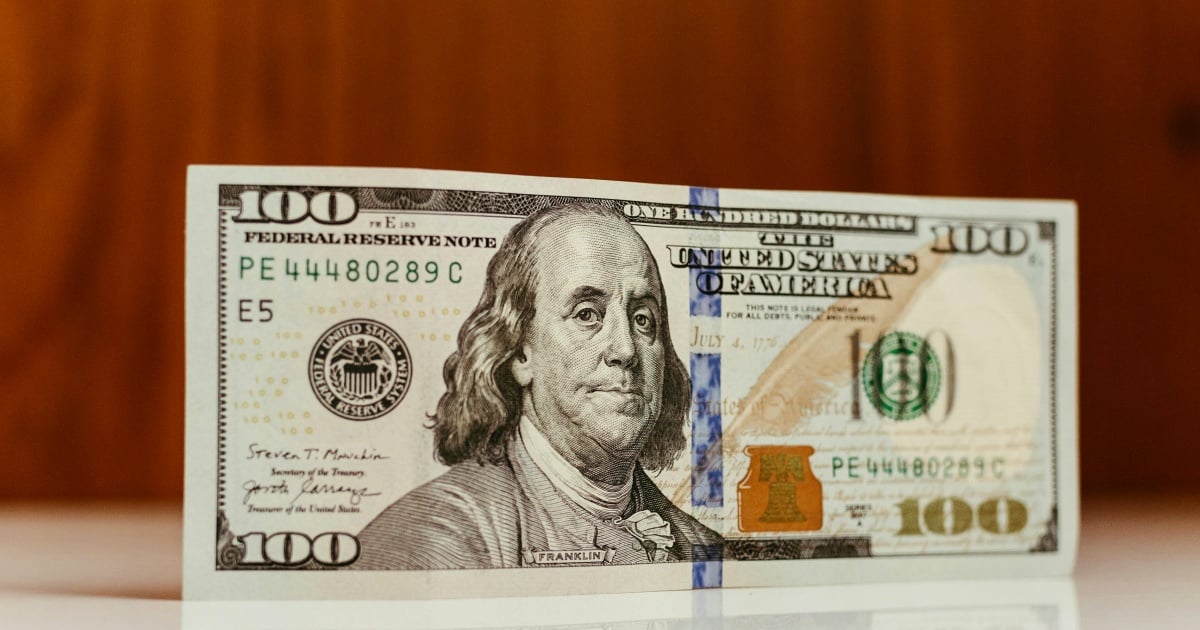
Following a calm Monday, Cuba's informal currency market experienced another shift as the value of the U.S. dollar increased. On Tuesday morning, the dollar was being sold at an average of 460 CUP, a rise of two pesos from the previous day's rate. Since October 1st, when it stood at 440 CUP, the dollar has climbed 20 pesos in just two weeks, highlighting the strengthening of the U.S. currency in street-level transactions across the island.
Each increase in foreign currency values deals a severe blow to the purchasing power of salaries and pensions in the national currency, with the government offering no solutions. Meanwhile, the euro remains pegged at 520 CUP, a level it reached last weekend. The MLC is steady at 205 pesos, as reported by the independent media outlet elTOQUE, which has been monitoring the fluctuating value of currencies in Cuba since 2021.
The Decline of Cuban Purchasing Power
The continuous rise in the value of the dollar and the euro reflects the ongoing economic deterioration in Cuba. For most citizens earning in the national currency, this situation means a drastic reduction in their purchasing power. The increasing value of these currencies results in higher costs for basic goods, many of which are imported by entrepreneurs dealing in foreign currencies.
This phenomenon further widens the gap between those receiving remittances from abroad and those reliant solely on state income. Additionally, the lack of a clear monetary policy from the Cuban regime, coupled with a collapse in production and a shortage of state-held foreign currencies, fuels an unprecedented devaluation spiral.
Confidence in the Cuban peso as a means of saving or exchange has nearly eroded, pushing many to turn to foreign currencies as the sole means to preserve their purchasing power. Independent economists warn that if this trend continues, Cuba may face a more severe crisis. The de facto dollarization occurring in various economic sectors, without institutional backing or guarantees, increases the vulnerability of the poorest citizens and creates a persistent atmosphere of uncertainty.
An Economy on the Brink
The sustained increase in the dollar and the euro is more than a financial indicator; it is a reflection of the economic and social collapse that Cuba is undergoing. While authorities remain silent or blame "external interests" for the situation, citizens are grappling with ever-rising prices, insufficient salaries, and a national currency that loses value daily.
In this context, mass emigration, the rise of informal work, and dependence on remittances have become survival strategies for millions of Cubans.
Exchange Rates as of October 14, 2025
The current exchange rates are as follows, according to elTOQUE:
USD to CUP: 1 USD = 460 CUP
EUR to CUP: 1 EUR = 520 CUP
MLC to CUP: 205 CUP
Equivalencies:
1 USD = 460 CUP
5 USD = 2,300 CUP
10 USD = 4,600 CUP
20 USD = 9,200 CUP
50 USD = 23,000 CUP
100 USD = 46,000 CUP
1 EUR = 520 CUP
5 EUR = 2,600 CUP
10 EUR = 5,200 CUP
20 EUR = 10,400 CUP
50 EUR = 26,000 CUP
100 EUR = 52,000 CUP
200 EUR = 104,000 CUP
500 EUR = 260,000 CUP
Since late 2024, the Cuban government announced plans to implement a floating exchange rate system in 2025 to bridge the gap between official and informal currency values. However, with just over two months left in the year, the regime has yet to address the issue. Independent economists have cautioned that any attempt to regularize the exchange system should start from a reference rate close to the Informal Market Representative Rate (TRMI), meaning that the government would have to officially recognize prices four times higher than the current 120 CUP per euro maintained by state banks and official exchange houses (CADECA).
Key Questions About Cuba's Currency Crisis
Why is the U.S. dollar increasing in value in Cuba?
The increase in the value of the U.S. dollar in Cuba is largely due to the weakening of the national currency, economic instability, and a lack of confidence in the government's monetary policies.
How does the rising dollar affect Cuban citizens?
A stronger dollar means higher prices for imported goods, diminishing the purchasing power of those earning in the national currency, and exacerbating economic inequality.
What are the implications of a floating exchange rate system in Cuba?
A floating exchange rate system could potentially stabilize the currency market by aligning official rates with market values, but it requires government recognition of significantly higher exchange rates.