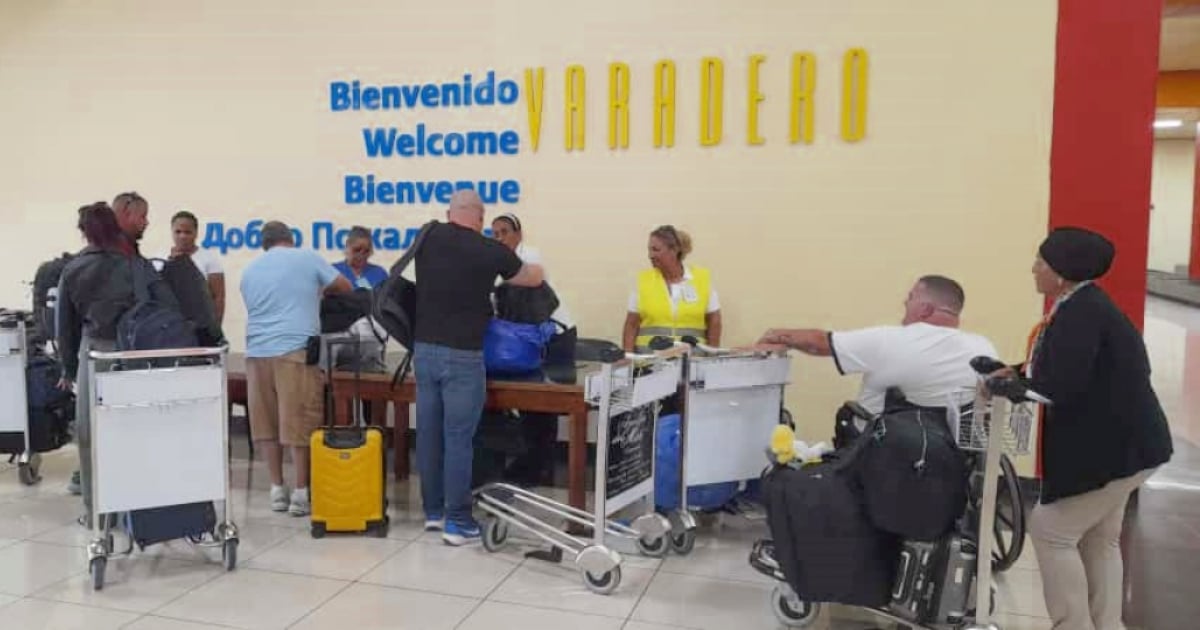
Amidst a severe health crisis impacting multiple Cuban provinces, the Varadero airport authorities have issued a significant warning to travelers about the dangers and repercussions of bringing specific "biological agents" into the country. The Juan Gualberto Gómez International Airport, located in Matanzas province, shared a message on social media on Saturday, October 4th, emphasizing the critical role of phytosanitary personnel at the airport.
This announcement comes in the wake of alarming epidemiological reports in the province and highlights the increased scrutiny on what enters Cuba through its entry points. "They are responsible for preventing the introduction of biological agents that cause harmful diseases to domestic animals, wildlife, and humans in the case of zoonoses," the airport cautioned, underscoring the essential function of phytosanitaries.
What Not to Bring to Cuba
The message from Varadero airport was neither incidental nor minor. As a direct warning, they stated: "Dear traveler, it is crucial to understand, before traveling, the regulations of the Cuban phytosanitary authorities concerning food control to comply with these and avoid unnecessary inconveniences at the borders."
Since 2021, Cuba has allowed duty-free entry of food items as a response to the severe shortages exacerbated by the social unrest on July 11. However, this exemption does not grant carte blanche: there is a comprehensive list of sanitary prohibitions that must be strictly followed.
Prohibited items include:
- Live animals, except dogs and cats with a valid veterinary certificate and rabies vaccination.
- Fresh, frozen, salted, or dehydrated meat.
- Unpasteurized fluid milk and derivatives.
- Sausages and other meat products.
- Unprocessed leather and crafts.
- Fresh plants, fruits, and vegetables.
- Soil or organic matter in any form.
- Unprocessed seeds and agricultural products.
- Dangerous organisms or microorganisms.
- Biological products in general.
What Products Are Allowed?
Despite these restrictions, Cuban authorities do permit certain processed or securely packaged foods. The list of accepted products includes:
- Sterilized pork or poultry meat preserves (and beef only if from countries free of Bovine Spongiform Encephalopathy).
- Recognized brand concentrated broths.
- UHT, evaporated, condensed, or powdered milk, as well as mature cheeses, properly packaged.
- Canned vegetables if they are from registered commercial brands.
- Animal-origin ornamental items, provided they have been industrially treated.
These exceptions allow travelers to support their families on the island without compromising the country's biosecurity, which is particularly sensitive given the rise in vector-borne diseases like those transmitted by the Aedes aegypti mosquito.
Public Health Crisis in Matanzas: The Backdrop of the Warning
While Cuba has faced health challenges for years, the current situation in Matanzas has raised all alarms. According to a report from the Granma newspaper, the province—famed for its tourist appeal, especially Varadero Beach—has reported dengue outbreaks in at least 12 municipalities, along with a worrying increase in chikungunya cases, notably among the elderly.
"Chikungunya transmission is confirmed to a greater extent, with a high rate of impact, particularly in senior citizens," local authorities admitted. This scenario has even led the U.S. Embassy in Havana to issue a health alert for those traveling to the island, coordinated with the Centers for Disease Control and Prevention (CDC), which updated their travel recommendations.
Measures Reflect a Country on High Alert
The airport's announcement adds to a series of discretionary actions taken by Cuban authorities in response to the worsening epidemiological scenario. Although the government has avoided officially recognizing fatalities or critical situations in Matanzas, reports on the spread of arboviruses, such as dengue and chikungunya, have circulated widely on social media and independent media outlets.
In this context, customs restrictions not only aim to protect the country's health border but also to limit public exposure to new threats, in an already fragile landscape. Amidst a health crisis, Cuba is attempting to maintain a precarious balance between allowing the entry of food aid from its emigrants and shielding its territory from new biological threats.
The warning issued by Varadero Airport is part of a broader strategy to shield the country from expanding epidemiological risks, while also reinforcing the importance of the traveler as a responsible actor in the prevention chain.
Frequently Asked Questions About Cuban Travel Restrictions
What are the consequences of bringing prohibited items into Cuba?
Travelers bringing prohibited items into Cuba may face confiscation of these items and potentially fines or other legal consequences. It is essential to comply with the regulations to avoid disruptions.
Why are certain animal and plant products restricted in Cuba?
Cuba restricts certain animal and plant products to prevent the introduction of diseases that could harm domestic animals, wildlife, and human populations, as well as to protect the island's fragile ecosystem.
Are there any exceptions to the food import restrictions?
Yes, certain processed or securely packaged foods, such as sterilized meat preserves, UHT milk, and canned vegetables from registered brands, are allowed entry into Cuba.
What measures are being taken in Matanzas to address the health crisis?
Local authorities in Matanzas are monitoring and managing the outbreak of diseases like dengue and chikungunya, especially among vulnerable populations, and are coordinating with international health organizations for guidance and support.