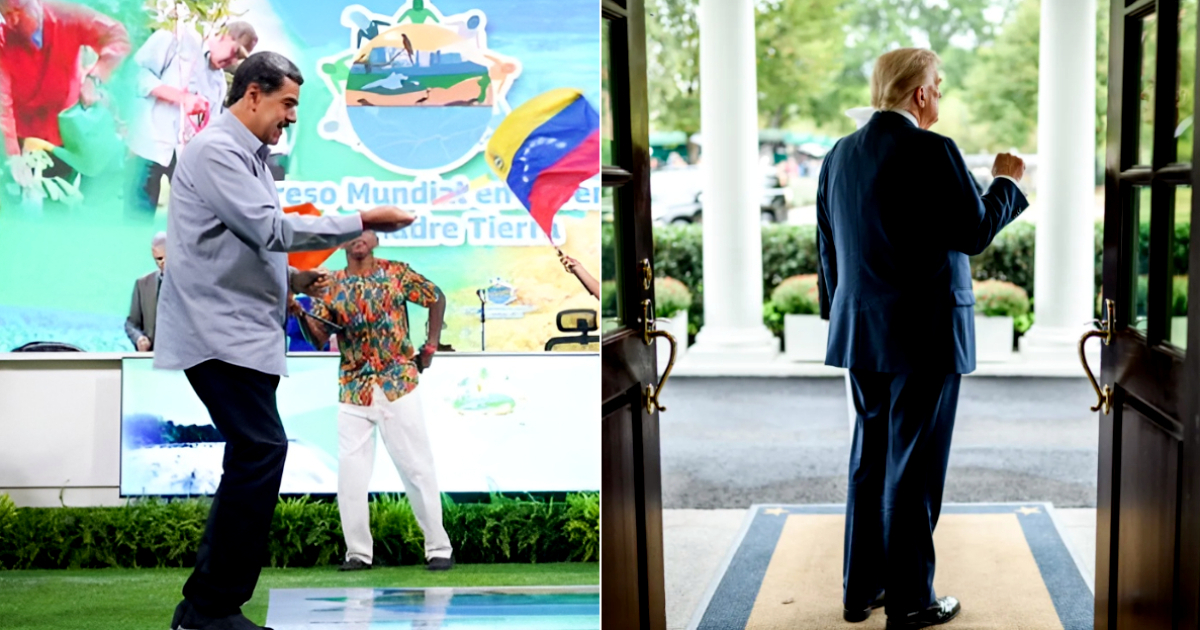
In a surprising diplomatic move, Nicolás Maduro extended an unprecedented proposal to the Trump administration. To avert potential military conflict with the United States, he offered American companies control over Venezuela's vast oil and mineral wealth in exchange for restoring diplomatic ties, according to a journalistic investigation.
A report from The New York Times, released this Friday, detailed the negotiations between high-ranking Venezuelan officials and then-U.S. special envoy Richard Grenell, which spanned several months before ultimately collapsing last week. As per insiders, Maduro proposed opening all existing and future oil and gold projects to American firms, shifting energy exports—currently dominated by China—toward Washington, and terminating cooperative agreements with Chinese, Iranian, and Russian companies.
The Venezuelan government aimed to halt the U.S. military escalation, which had seen warships deployed in the Caribbean and the destruction of vessels accused of drug trafficking from Venezuelan territories.
Rejected by Washington
Despite these extensive concessions, the Trump administration turned down the offer and severed diplomatic contacts with Caracas, effectively "killing the deal, at least for now," as reported by The New York Times. Trump's administration maintained a stringent stance against Maduro, labeling him a "fugitive from U.S. justice" and a leader of the so-called Cartel of the Suns, which has turned Venezuela into a "narco-state."
Secretary of State and National Security Advisor Marco Rubio has been a key advocate for this pressure strategy, contrasting with Grenell's diplomatic approach. Rubio, with Cuban roots, views the fall of Maduro as pivotal in weakening Havana's communist regime.
Secret Concessions
Publicly, the Chavista regime responded with slogans of resistance and vows to defend Hugo Chávez's "socialist revolution." However, behind the scenes, according to the report, Maduro authorized his envoys to present Washington with a package of concessions that would dismantle the nationalistic model foundational to Chavismo.
The political impasse stemmed from the Venezuelan government's refusal to negotiate Maduro's potential exit from power. "The president will not negotiate his departure," declared Foreign Minister Yván Gil, as quoted by the New York newspaper.
Opposition's Competitive Edge
Meanwhile, opposition leader and recent Nobel Peace Prize laureate María Corina Machado presented an alternative proposal in Washington, promising greater economic benefits for the U.S. in case of a democratic transition. According to The New York Times, Machado claimed that American companies could earn up to $1.7 trillion over 15 years if Venezuela returned to the rule of law.
Her economic advisor, Sary Levy, cautioned that Maduro's promises do not ensure stability: "What he offers to investors isn't stability, but control maintained through terror."
Venezuela's Outreach to the U.S.
The article also disclosed that state-owned oil company PDVSA has granted Chevron full control over their joint ventures and negotiated new stakes. Maduro is also attempting to mend relations with ConocoPhillips, expelled from the country in 2007, in efforts to rebuild connections with the U.S. energy sector.
Despite ongoing tensions, the talks peaked in May when Grenell facilitated the return of a deported girl to Venezuela, to which Maduro responded by releasing an imprisoned American veteran. However, Rubio's resistance and the lack of agreement on Venezuela's political future stalled progress.
"Maduro realized that reducing ties with China and Russia was the necessary price to avoid military intervention," a source told the Times. Unfortunately, this understanding came too late, as signaled by the Trump administration.
Key Questions on Venezuela's Diplomatic Strategies
What was Nicolás Maduro's proposal to the Trump administration?
Maduro offered American companies control over Venezuela's oil and mineral resources in exchange for reinstating diplomatic relations with the U.S.
Why did the Trump administration reject Maduro's offer?
The Trump administration maintained a strict stance against Maduro, viewing him as a key figure in Venezuela's transformation into a 'narco-state,' and thus rejected the proposal despite its concessions.
How did opposition leader María Corina Machado respond?
Machado presented an alternative proposal in Washington, promising significant economic benefits for the U.S. if Venezuela underwent a democratic transition.