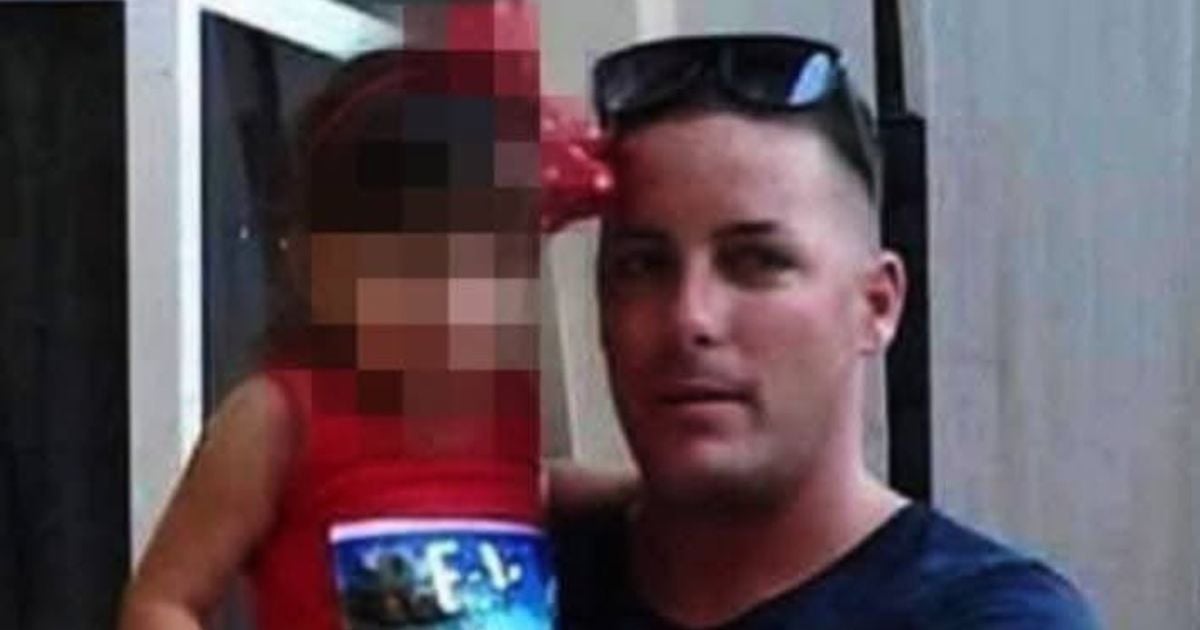
The city of Cárdenas, located in Matanzas province, is once again in mourning and outrage following the tragic death of Yuniel, a Cuban youth who succumbed to hemorrhagic dengue fever. This disease is spreading rapidly across various regions amidst a deteriorating healthcare situation and the regime's denial of any fatalities from the illness. The news was confirmed on Sunday by Christian Arbolaez, a communicator, who shared it on his Facebook profile, accompanied by a heartfelt message describing Yuniel as a strong, hardworking young man full of dreams, beloved by his community.
According to neighbors, Yuniel began experiencing symptoms such as high fever, severe body pain, and general discomfort. He was quickly taken to the Julio Miguel Aristegui Villamil Hospital, but the virus progressed aggressively. By evening, his heart had stopped, leaving family and friends in deep shock.
Escalating Vector-Borne Diseases in Cárdenas
The rise of vector-borne diseases like dengue fever, chikungunya, and oropouche has sparked increasing alarm among the population. In the neighborhoods of Cárdenas, a common sentiment is echoed: "This has gotten out of control," emphasized Arbolaez. Residents have pointed fingers at the lack of fumigation, water leaks, accumulated garbage, and declining sanitary conditions, which have transformed every puddle into a breeding ground for mosquitoes and every home into an unresourced battleground.
Yuniel's passing has put a human face on a crisis that many feel is too close for comfort. "He wasn't just a statistic," Arbolaez noted, adding that Yuniel was a son, friend, companion, and father. His death not only leaves a void but creates a wound in a community feeling abandoned and without answers. Today, Cárdenas weeps—not just for Yuniel, but for every life lost needlessly in a city crying out for help, in a country where solutions are often too late, and pain accumulates in silence, Arbolaez declared, a vocal advocate for Cárdenas's culture and people.
Social Media Outcry
The social media reaction has been intense, with countless messages reflecting the sadness, anger, and sense of loss following Yuniel's death. Friends and family members have shared their farewells and demanded accountability. Sylce Alfonso, Yuniel's cousin, expressed her grief: "He was my cousin. We feel immense pain and helplessness. Words can't capture the depth of this loss." Maria Del Carmen Lamas, another close relative, lamented: "Our dear Yuni, a family member gone too soon. What sorrow you've left among family and friends. You were a young man with dreams, taken by a preventable disease due to total neglect everywhere in Cuba. I hope your beloved grandmother Zena can withstand this cruel blow. Rest in peace, beautiful boy."
Amarys Fernández, a friend, wrote: "Oh God, I can't believe it Yuniel… Such devastating news… My soul aches… I knew him… I am at a loss for words." Aristides Rodríguez, a neighbor from Camarioca, shared: "A special person. I couldn't believe it when I heard. All of Boca de Camarioca felt his loss."
Others voiced their anger at the government's handling of the health crisis. Karen Liz harshly criticized the authorities: "The unashamed director of public health still claims there are no fatalities… Of course not, because none of their family members have died. Quit hiding the facts; several have died, and nothing's being done. Is Díaz-Canel rewarding you with chicken packages for letting people perish?" Isabel Rodríguez added: "What an atrocity. The Cuban government is killing its citizens. It's heartbreaking. A young life cut short. Now there are no doctors, no medicine, no shame."
María del Carmen Valdés Cabrera expressed: "So sad. Meanwhile, the Ministry of Public Health insists there are no deaths and everything's under control. A bunch of shameless, indifferent individuals… What horror." Rubi Roque also commented: "So now, Dr. Durán, Minister of Public Health… You claim everything's under control, no deaths. And what is this? Show some respect for the Cuban people and families!"
These comments highlight not only the grief over Yuniel's loss but also the mounting frustration with a situation many believe to be unsustainable. A tragedy that has deeply affected a community, and according to those who knew him, should never have happened.
Health Crisis in Matanzas Amidst Government Denial
The tragedy striking Cárdenas with Yuniel's death unfolds against a backdrop of a worsening health crisis in Matanzas. Despite authorities attempting to project normalcy with events like Culture Week, the province is grappling with a surge of dengue infections, fever, and other contagious diseases that are overwhelming hospitals and alarming residents. Provincial health officials have acknowledged that mosquito infestation levels are critical in several municipalities, including Cárdenas, where the epidemiological situation is deemed high-risk.
In response, the government has mobilized 2,500 Medical Sciences students to assist with vector control efforts, highlighting the lack of available professional personnel to tackle the crisis. The collapse of the healthcare system has been criticized even in official circles. A journalist from Matanzas condemned the hospital conditions and governmental inaction, calling it unacceptable to whitewash reality while people fall ill and die without adequate care.
The improvisation in response to the overflow of patients has led to desperate measures, such as converting a children's hospital to admit feverish adults—a move revealing the saturation of traditional medical facilities and the lack of foresight in handling predictable outbreaks due to environmental and structural conditions.
Understanding the Dengue Crisis in Cuba
What is causing the increase in dengue cases in Cárdenas?
The surge in dengue cases is attributed to inadequate fumigation, poor sanitary conditions, and accumulated garbage, which create ideal breeding grounds for mosquitoes, exacerbated by the lack of government response.
How are the residents of Cárdenas responding to the health crisis?
Residents are expressing outrage and frustration, criticizing the government's denial of the severity of the situation and the lack of effective measures to control the outbreak.
What measures are being taken to address the dengue outbreak in Matanzas?
In response to the outbreak, the government has mobilized Medical Sciences students to assist with vector control, highlighting the shortage of professional healthcare personnel.