Cuba has been awarded the “NBSAP Reverse the Red 2025” Medal by the International Union for Conservation of Nature (IUCN), recognizing the "excellence" of its National Biological Diversity Program. This program, as claimed by the Cuban government, is grounded in scientific principles, civic engagement, and conservation efforts. The award was presented in Abu Dhabi, United Arab Emirates, to Cuban Ambassador Norberto Escalona Carrillo and was praised by the Cuban leader Miguel Díaz-Canel on the social media platform X, where he congratulated Cuban environmentalists for the achievement.
The International Coalition Reverse the Red, led by the IUCN, bestowed this honor upon countries showcasing exemplary formulation and execution of their National Biodiversity Action Plans (NBSAP). The award highlights the use of scientific criteria, the involvement of civil society, and a focus on targeted actions for the recovery of threatened species, as reported by the Cuban News Agency.
Cuba is among 26 countries recognized globally, sharing the stage with Argentina, Australia, Canada, Colombia, Denmark, Fiji, France, Hungary, Iran, Italy, Jamaica, Japan, Jordan, Malaysia, Mexico, the Republic of Korea, the Republic of Moldova, Slovenia, the State of Palestine, Togo, Tonga, Tunisia, Uganda, and the Federated States of Micronesia.
The Stark Reality of Environmental Crisis
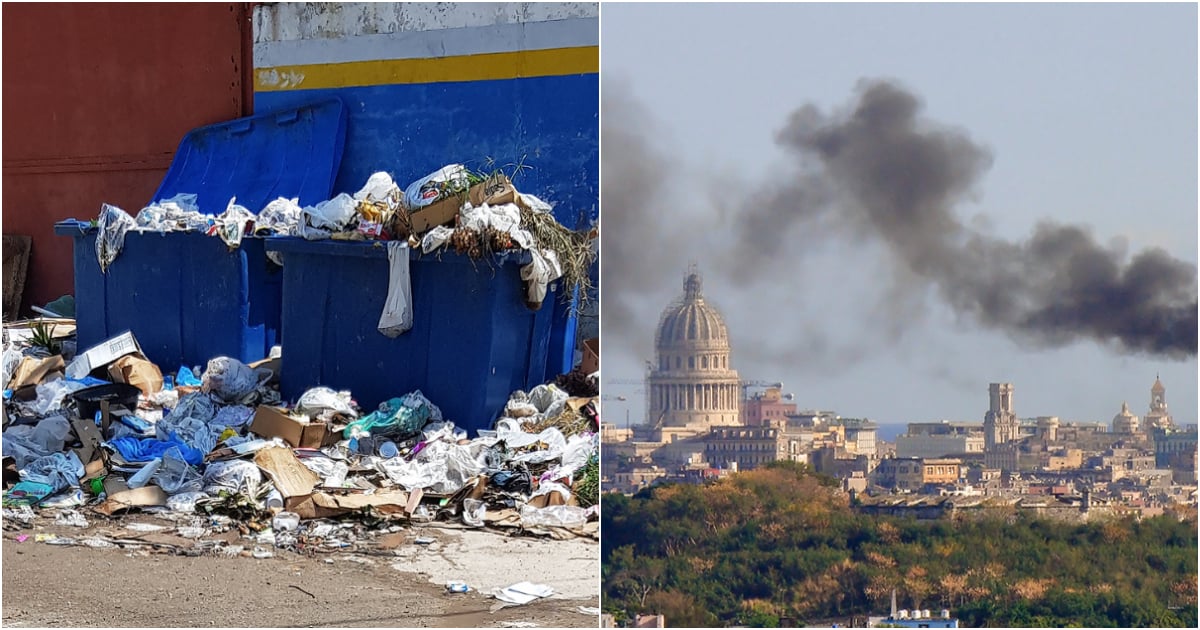
Despite this accolade, Cuba is grappling with a severe internal environmental crisis. Pollution, deforestation, and the breakdown of communal services paint a starkly different picture than the official narrative. In Moa, located in the province of Holguín, residents and activists have decried a "prolonged ecocide" attributed to nickel and cobalt mining. Metallic dust blankets roofs, streets, and lungs, with the Ministry of Energy and Mines acknowledging emissions surpassing legal limits.
Communities report living "under a black cloud that slowly sickens," as authorities continue to make empty promises of mitigation. The energy crisis and power outages, lasting up to 20 hours, have exacerbated deforestation as families resort to cutting down trees to cook due to the lack of gas and electricity. This deforestation has led to a loss of forest cover, heightening vulnerability to droughts and floods.
Impact on Everyday Life and Infrastructure
Recent reports indicate that over nine million Cubans cook without reliable access to gas or electricity, facing daily health and environmental hazards. This crisis has particularly affected educational institutions, with preschools cutting hours and using wood fires to cook in unsanitary conditions. For many families, survival strategies include burning unsuitable materials and cooking in public streets, as they have no other means to feed their children.
Environmental organizations warn that Cuba may follow in the footsteps of Haiti’s environmental degradation unless urgent measures are taken. While the government basks in international accolades, Cuban cities are drowning in waste. In Havana, Santiago de Cuba, and other cities, garbage piles up for weeks in front of hospitals and schools. Community services lack fuel and equipment, and the government shifts the blame to citizens, urging "social consciousness," as stench, rats, and mosquitoes proliferate.
This contrast between international recognition and the internal environmental collapse encapsulates the Cuban dilemma: a nation receiving awards on global stages while millions of its citizens endure pollution, waste, and ecological neglect in their daily lives.
Understanding Cuba's Environmental Challenges
What is the "NBSAP Reverse the Red 2025" Medal?
The "NBSAP Reverse the Red 2025" Medal is an award given by the International Union for Conservation of Nature (IUCN) to countries that demonstrate excellence in developing and implementing their National Biodiversity Action Plans.
How does pollution affect daily life in Cuba?
Pollution in Cuba severely impacts daily life, with metallic dust from mining operations affecting air quality and health. Additionally, waste management issues lead to garbage piling up, creating unsanitary living conditions.
Why is deforestation a concern in Cuba?
Deforestation in Cuba is driven by an energy crisis and prolonged power outages, forcing families to cut down trees for cooking fuel. This contributes to the loss of forest cover, increasing vulnerability to environmental disasters like droughts and floods.