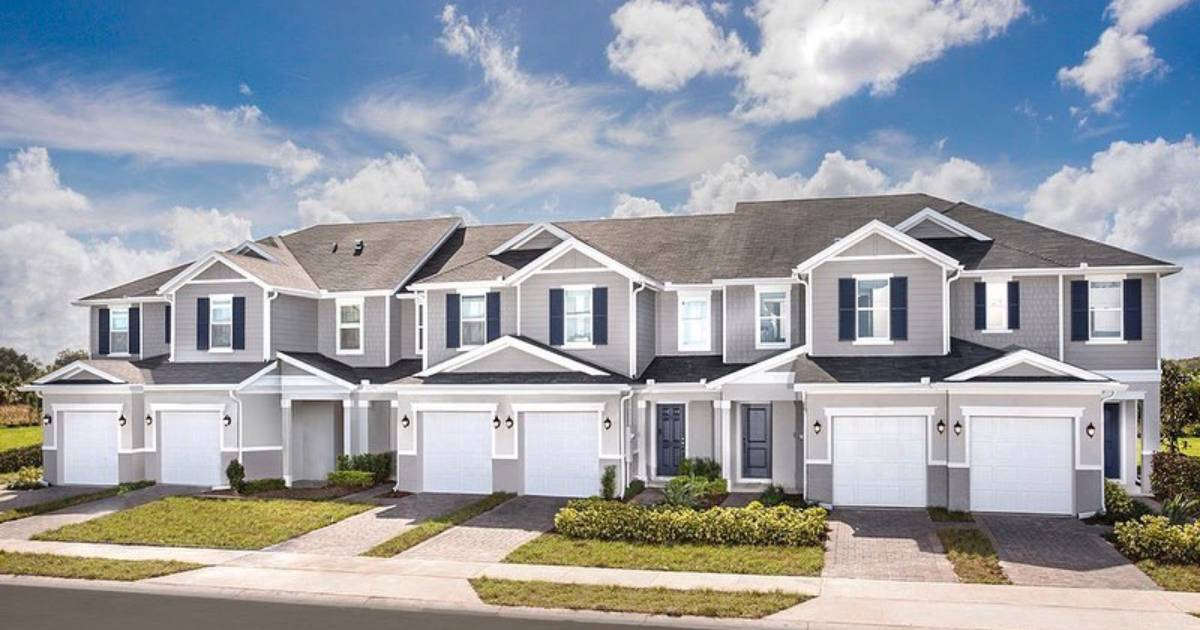
According to a recent study, Miami, Fort Lauderdale, and Tampa are the most challenging cities in Florida for purchasing or renting a home, highlighting a shortfall of over 120,000 housing units across the state. This insight was reported by Florida Politics, which cited a study conducted by the Florida Policy Project in collaboration with the DeVoe L. Moore Center at Florida State University and the Reason Foundation. The study introduces a new model to gauge housing shortages, aiming to provide legislators and citizens with accurate data in the face of an escalating housing crisis.
The analysis indicates that Florida is experiencing a shortage of 55,000 single-family homes and more than 66,000 rental units. This lack of supply drives up demand and pushes prices to levels unattainable for many families. The study highlights Miami-Dade, Fort Lauderdale (Broward County), and Tampa (Hillsborough County) as the most impacted regions. In Tampa, there is a shortage of over 8,000 homes, in Miami-Dade around 7,000, and in Broward more than 10,000, both for purchase and rent.
Underlying Barriers to Housing Development
The report also identifies key obstacles exacerbating the crisis: extended delays in construction permits, restrictive zoning policies, a lack of flexibility for innovative housing forms (such as duplexes or accessory units), and local political gridlock that hinders progress. The authors note that delays in permits can extend for months or even years, inflating project costs from the outset. This added burden is ultimately passed on to buyers or renters. Additionally, many areas continue to prioritize low-density developments, restricting the growth of the housing stock.
An interactive online map is part of the model, allowing residents and local authorities to explore housing supply and demand in their communities, identify imbalances, and devise informed public policies. Former state senator Jeff Brandes, founder of the Florida Policy Project, remarked that the tool aims to "empower citizens and elected officials to work on solutions that expand supply, reduce costs, and preserve community character."
The Economic Strain on Florida Families
One of the most alarming findings of the study is that the maximum affordable price for a median-income family in Florida is $258,000, while the median price of homes for sale now exceeds $440,000. To afford an average house, these families would need to increase their income by 50%. "The market has become inaccessible for many families. If Florida wants to continue growing, housing affordability must be a priority," stated Adrian Moore, vice president of the Reason Foundation.
The severe housing deficit in Florida is not an isolated phenomenon but the result of various factors that have accumulated over recent years. Experts warn that high maintenance and insurance costs have significantly increased homeowners' expenses, as revealed by a study showing a spike in monthly fees in the United States, particularly in southern states where climate change and inflation hit hardest.
Policy Responses and Legislative Action
Additionally, the current administration's immigration policy has had indirect effects on the construction market. Various sources suggest that measures implemented by Donald Trump are stalling residential projects due to a shortage of labor and reduced inflow of foreign workers in the sector, compounding the scarcity of new affordable housing.
In an effort to alleviate the crisis, the state of Florida recently passed a new condominium law intended to offer more flexibility to property owners and facilitate the adaptation of older buildings to safety and sustainability standards. The measure aims to encourage urban rehabilitation and reduce pressure on the rental market. Meanwhile, Miami-Dade County authorities are considering a reduction in property taxes as a way to ease the financial burden on residents, who face rising mortgages, increasingly costly insurance, and home prices beyond the reach of most middle-class households.
Understanding Florida's Housing Crisis
What are the main reasons for Florida's housing shortage?
The primary reasons include extended delays in construction permits, restrictive zoning policies, insufficient flexibility for new housing forms, political gridlock, and the impact of immigration policies on labor availability.
How does the housing shortage affect Florida families economically?
The shortage elevates demand and prices, making homes unaffordable for many families. A median-income family can only afford homes priced up to $258,000, whereas the median home price is over $440,000.
What solutions are proposed to tackle Florida's housing crisis?
Solutions include legislative measures like a new condominium law for flexibility, property tax reductions in Miami-Dade, and tools like an interactive map to help design informed public policies.