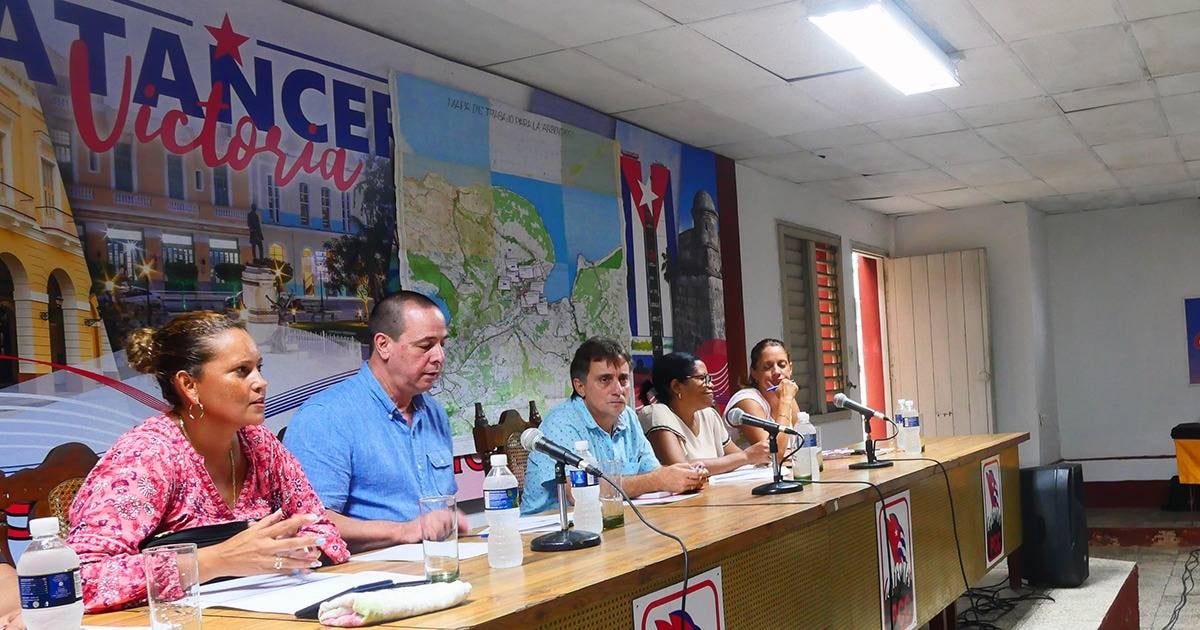
The Cuban Minister of Public Health, José Ángel Portal Miranda, declared on Thursday that no fatalities from dengue or chikungunya have been recorded in Matanzas, despite reports of a healthcare system in crisis and a rise in febrile cases within the province. During a meeting led by Communist authorities, including the province's First Secretary of the Party, Mario Sabines Lorenzo, and Governor Marieta Poey Zamora, the MINSAP head dismissed reports of deaths as "rumors" and clarified that the circulating diseases are "neither new, nor rare, nor unknown," according to a Facebook post by the Periódico Girón.
"There are no deaths in Matanzas due to this disease. There are no severe or critical cases. No one can hide an epidemic or the dead," asserted Portal Miranda, emphasizing that diagnoses are confirmed by laboratories at the Pedro Kourí Institute of Tropical Medicine (IPK) and the National Surveillance Center.
Admits Outbreak, Denies Severity
The minister attributed the surge in cases to the high susceptibility of the population following years without significant virus circulation, along with the spread of the Aedes aegypti mosquito due to tropical conditions and climate change. Nevertheless, Portal Miranda maintained that "the situation is under control" and that confirmed cases do not exhibit severe complications. He also reiterated that there is no circulation of SARS-CoV-2, while remaining vigilant for other respiratory viruses like influenza and respiratory syncytial virus.
"We must convey to the people that we are aware of our challenges, but we are doing everything to save lives," stated the minister, while acknowledging the shortage of human and material resources to address the situation.
Measures and Community Involvement
Among the announced measures, MINSAP plans to involve medical students in active surveillance and fumigation efforts, in addition to bolstering clinics and health centers. Special consultations will be opened to address dengue's aftereffects, and measures will be implemented to expedite hospital admissions and patient evacuations.
The authorities identified the clinics in Playa, Versalles, and Milanés as the most affected areas, conducting over 4,000 daily screenings with support from health and community brigades. Meanwhile, the Communist Party in the province called for a massive hygiene campaign this weekend, coinciding with the 332nd anniversary of the city. "Everyone's participation is not just necessary; it is essential," emphasized Portal Miranda, urging institutions to keep their areas free of mosquito breeding sites.
Context: Overloaded Hospitals and Public Distrust
Despite the official optimism, residents of Matanzas have reported overwhelmed hospitals, a shortage of medications, and long waits for medical care, alongside complaints about the lack of systematic fumigation. While the minister denies fatalities, medical sources and families claim deaths associated with dengue have occurred, particularly among children and the elderly, although these cases have not been officially acknowledged.
The government's narrative aims to convey calm but comes at a time of growing social distrust towards health institutions, after years of epidemiological crises and deterioration of the Cuban healthcare system. In a country where dengue epidemics recur annually, Minister Portal Miranda's statements reflect the regime's attempt to downplay the outbreak's impact, while healthcare workers, with minimal resources, face a battle the public already perceives as an unrecognized emergency.
Dengue Outbreak in Matanzas: Key Questions Answered
What measures are being taken to control the dengue outbreak in Matanzas?
The measures include involving medical students in active surveillance and fumigation, enhancing clinics and health centers, opening special consultations for dengue aftereffects, and implementing faster hospital admissions and patient evacuations.
Why does the public distrust the official statements regarding the outbreak?
Public distrust stems from years of epidemiological crises and the deterioration of the Cuban healthcare system, combined with reports from residents about overwhelmed hospitals and unacknowledged deaths.
What are the main factors contributing to the surge in dengue cases?
The primary factors include high population susceptibility due to years without significant virus circulation and the spread of the Aedes aegypti mosquito driven by tropical conditions and climate change.