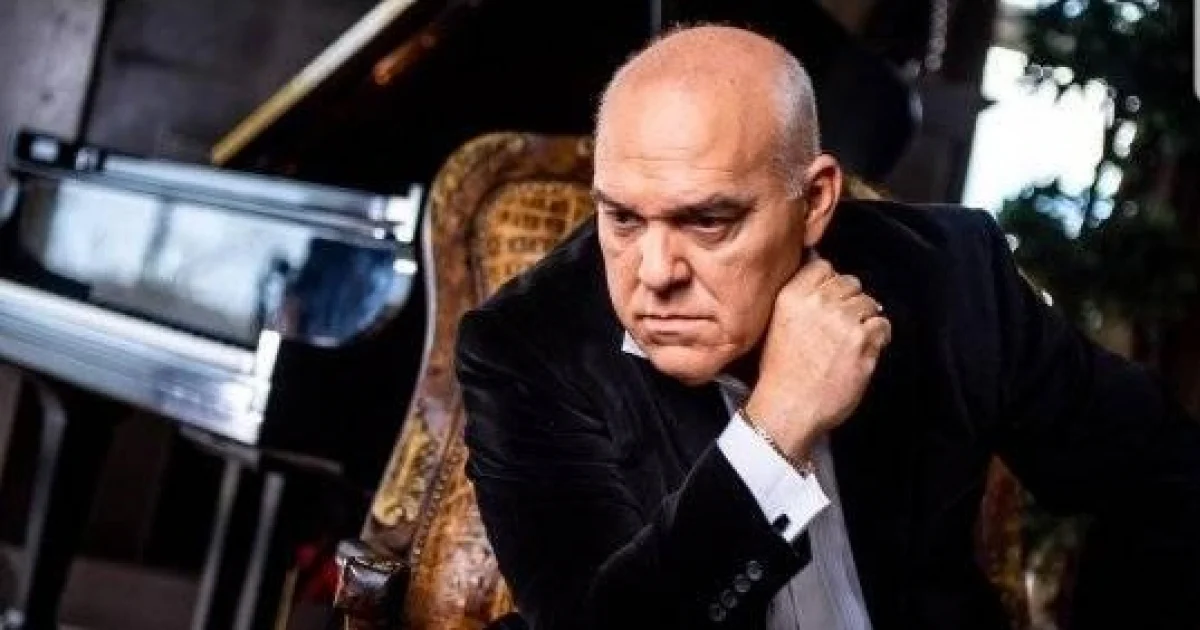
The esteemed Cuban baritone, Ulises Aquino Guerra, has once again raised his voice regarding the current trajectory of his nation. In a lengthy message shared on his Facebook profile, he expressed profound concern over the ongoing economic and social crises in Cuba. "Honestly, I can't sleep," Aquino confessed after hearing Miguel Díaz-Canel's demand for inspections of private enterprises to ensure compliance with the energy plan.
For Aquino, this stance reveals a glaring ignorance about the vital role the private sector plays in the nation's economy. "Whatever is produced, little or much, originates there, paying substantial taxes and yet offering better wages than the state," he noted. The singer harshly criticized the government's failure to take responsibility for managing essential services. He reminded that it is the state’s duty to collect garbage, repair power plants, maintain roads, ensure food production, preserve architecture, and care for children and the elderly.
However, in his view, these resources have been squandered on bureaucracy, hotel construction, and other unproductive state expenses, while restricting fishing, imposing tariffs, and prohibiting the development of alternative productive forces. "From here, I can respond, above all with much shame, pain, and deep sorrow to see the destitution our society has reached," Aquino wrote.
The artist accused the official narrative of failing to acknowledge the people's real misery, using euphemisms like "vulnerable." "They are not called 'vulnerable'; they are miserable, hungry, poor, indigent, beggars, ragged," he elaborated.
He pointed out that the crisis has worsened since the implementation of policies like the Tarea Ordenamiento and the repression of agricultural production, leaving the population without sugar, eggs, pork, or milk. The baritone also lamented the indifference of those who applaud the government and denounced the threat against those who protest.
"This people, who can no longer endure so much suffering and misery, undoubtedly lack empathy," he wrote, indicating that the population, disillusioned by the absence of a future project, prefers to emigrate or remain silent. Aquino emphasized that Cuba cannot mold itself after other countries like China or Vietnam; the future rests on the efforts of its citizens. "It has been proven that you [the government] cannot do it; I am sure the people can," he concluded.
Aquino's critical stance is not new. In July, he already questioned the management of the Cuban economic and social system, defending the original spirit of the 1959 Revolution and denouncing the betrayal by those in power. "The enemy blockade […] has been the ideal excuse to justify what is real and what is not," he stated, referring to the official narrative that blames the U.S. embargo.
He also proposed a path of inclusive transformation, free from ideological constraints, prioritizing full freedom and the country's reconstruction with the ingenuity and talent of Cubans, both on and off the island. "There will be no foreign investment, for reasons we all know and accumulated debts. Only the contribution and entrepreneurship of all Cubans can get us out of this situation. That, with full freedom and rights. With respect for all forms of thought and expression," he expressed.
In April of this year, in a message titled "Let's Talk About Solutions," the artist warned that without a profound ideological and political change, there will be no future for the nation. He emphasized that the crisis is not just economic but also demographic, sociological, and psychological, affecting the people's ability to live and project themselves.
Additionally, he denounced the political elite's resistance to change and the use of the people as an ideological shield. Ulises Aquino Guerra, born in Havana in 1963, is considered one of the most prestigious baritones of his generation, with performances in Europe and America and collaborations with figures like Montserrat Caballé and Plácido Domingo.
In 2006, he founded the community project Ópera de la Calle, blending opera, zarzuela, rock, and Cuban rhythms with the participation of over 200 artists. However, in 2012, the government revoked licenses for the project’s main venue, El Cabildo, showcasing the state's distrust of autonomous initiatives with significant social impact.
The artist has consistently defended freedom, the right to dissent, and the possibility of living with dignity. "I don't want to die as I have lived," he wrote in another post. "I want to live peacefully and enjoy my children and grandchildren, who ultimately are my greatest work." His latest message once again calls for a different Cuba, rooted in private initiative, respect for human rights, and building a viable future through the talent and creativity of its citizens.
Understanding the Crisis in Cuba
What did Ulises Aquino criticize about the Cuban government's management?
Ulises Aquino criticized the Cuban government's lack of responsibility in managing essential services and their misallocation of resources on unproductive state expenses while neglecting the real needs of the people.
Why does Aquino oppose the government's stance on private enterprises?
Aquino opposes the government's stance because he believes it demonstrates a lack of understanding of the critical role private enterprises play in the economy, such as generating income and paying taxes while offering better wages than the state.
What solutions did Aquino propose for Cuba's future?
Aquino proposed a path of inclusive transformation that emphasizes full freedom and rights, along with leveraging the ingenuity and talent of all Cubans, both inside and outside the island, without ideological constraints.