The Trump administration produced a classified legal opinion authorizing lethal force against a secret and extensive list of cartels and alleged drug traffickers, according to multiple sources familiar with the document who spoke to CNN. This opinion, crafted by the Office of Legal Counsel (OLC) within the Department of Justice, supports the president's power to order strikes against these groups, deeming them an “imminent threat” to Americans.
Legal experts consulted by CNN suggest that this interpretation paves the way for an open conflict against a non-public roster of organizations, equating suspected drug traffickers to "enemy combatants" who can be summarily executed without judicial oversight. Historically, drug trafficking has been addressed as a criminal matter requiring due process—such as Coast Guard interdictions and arrests—rather than as an armed conflict.
Last week, a Department of Defense memorandum sent to Congress embraced this rationale, asserting that the U.S. is in “armed conflict” with these cartels and that the president has declared their operatives as “unlawful combatants.” Sources indicate that this document heavily relies on the OLC's opinion. Lawmakers have repeatedly requested a copy of the legal analysis from the DOJ and the Pentagon—most recently last week—but without success.
Attorney General Pam Bondi is set to testify on Tuesday at the Capitol and may face questions regarding the legal justification for these attacks. The U.S. military has carried out at least four strikes against vessels in the Caribbean, with casualties allegedly “affiliated” with cartels designated as terrorist organizations. The most recent attack, last week, resulted in four deaths, as noted by Defense Secretary Pete Hegseth on social media.
Within the Pentagon, military lawyers, including international law experts, have expressed concerns about the legality of these attacks. Several current and former JAG Corps members told CNN that the actions appear unlawful. Nevertheless, the OLC's interpretation remains the predominant view within the Executive Branch, and many Department of Defense lawyers refrain from publicly dissenting.
The DOJ's opinion is a critical element of a broader campaign that includes expanding CIA powers for lethal strikes and covert operations in the region. According to insiders, Trump updated these powers in conjunction with a secret directive ordering the military to target Latin American cartels at the beginning of the summer. The CIA, already evaluating its capacity to use lethal force in Mexico and other countries, operates armed surveillance drones over Mexican territory. Meanwhile, the White House is working to update an old presidential “finding” from the 1980s that governs counter-narcotics covert actions.
New Phase in the War on Drugs
In late September, Donald Trump announced a new phase in his administration's campaign against organized crime, centered on Venezuela. After curbing drug entry by sea, the focus now shifts to land trafficking routes. Pentagon sources have confirmed that options include using armed drones to target criminal leaders and drug labs within Venezuela, although Trump has yet to give final approval.
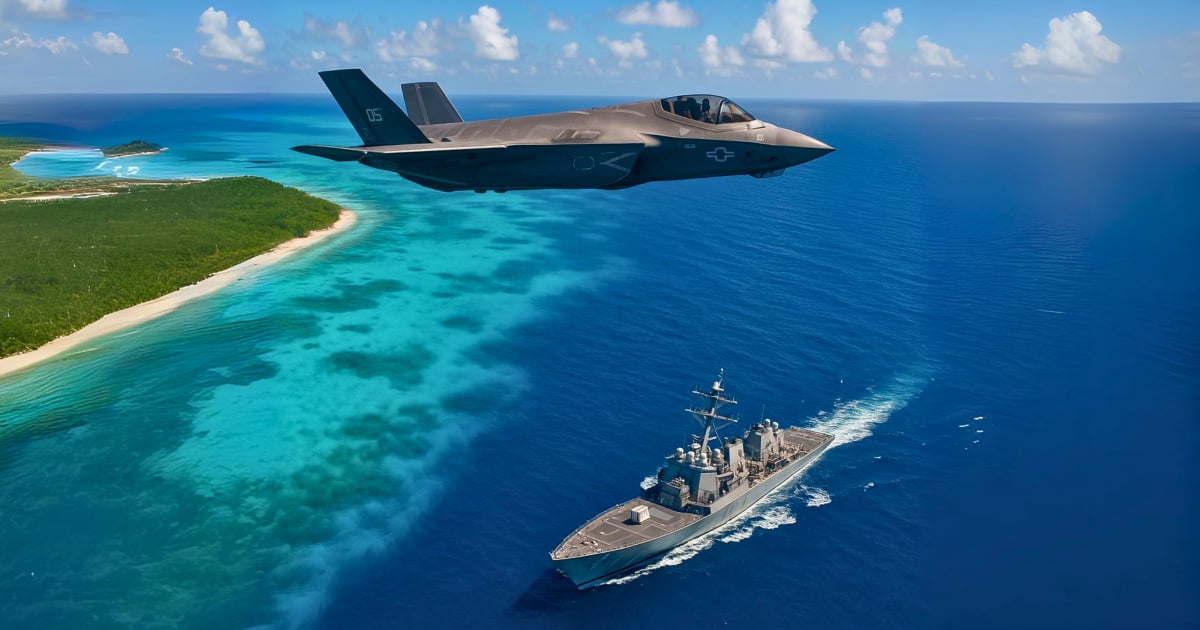
This shift to land-based operations follows weeks of Caribbean activity. The United States has deployed over 15 warships, nuclear submarines, F-35 fighters in Puerto Rico, and around 7,000 personnel, marking the largest mobilization of its kind since the 1980s. In this context, the Southern Command has sunk at least three vessels from Venezuela in what it describes as blows to drug trafficking. One of these incidents resulted in 11 deaths, attributed by Washington to the Tren de Aragua, designated as a terrorist organization.
Legal and Strategic Implications of U.S. Actions Against Cartels
What is the basis for the U.S. using lethal force against cartels?
The basis is a classified legal opinion by the Department of Justice's Office of Legal Counsel, which argues that the president can order attacks because these groups pose an “imminent threat” to Americans.
Why are these actions against drug cartels considered controversial?
These actions are controversial because they treat drug trafficking as an armed conflict rather than a criminal issue, allowing for lethal force without judicial review, which many legal experts argue is unlawful.
How has the U.S. military been involved in this campaign?
The U.S. military has conducted strikes against vessels in the Caribbean and deployed significant military assets to the region, including ships, submarines, and aircraft, in a large-scale operation against drug trafficking.