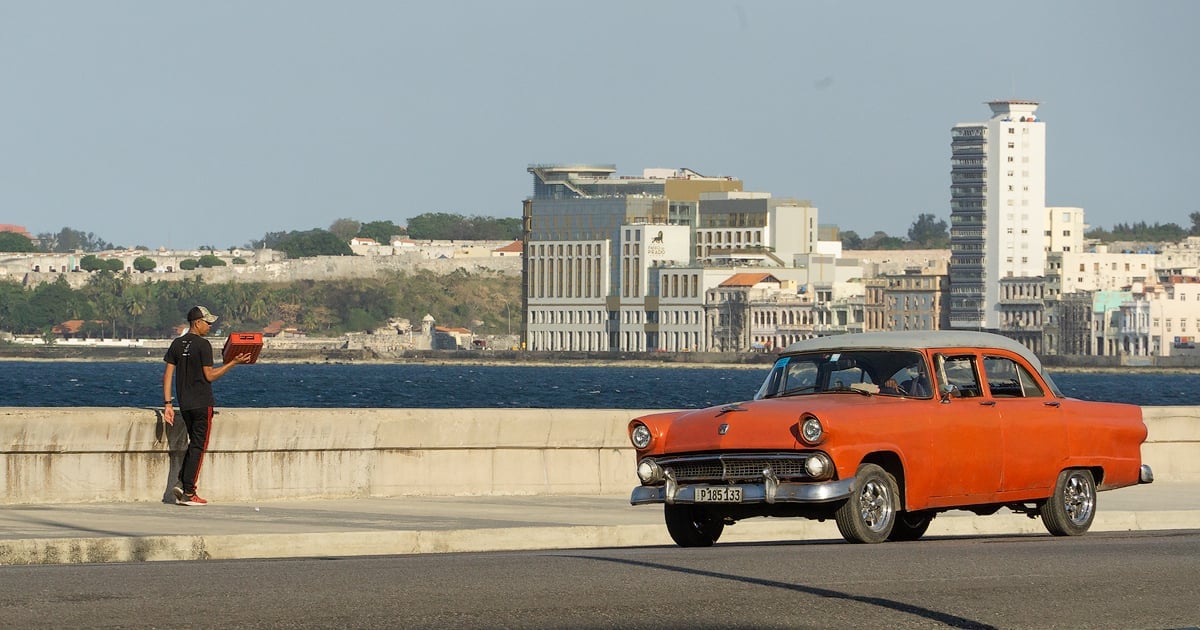
Juan Carlos García Granda, Cuba's Minister of Tourism, has asserted that the country's tourism industry is "alive and well," despite ongoing power outages, a significant drop in visitor numbers, and criticism over the construction of luxury hotels during an economic crisis. In a discussion with the BBC, García Granda emphasized that tourism remains "the economic engine of the nation," attributing setbacks in recovery to U.S. sanctions and the pandemic. He highlighted that "263 measures against Cuba" were enacted during Trump's first term, primarily aimed at crippling tourism.
The minister claimed the government has stemmed the sector's decline, anticipating improved statistics for the year's second quarter. However, according to data from the National Office of Statistics and Information (ONEI) shared on Facebook, only 1,791,363 travelers visited Cuba by August 2025, representing just 84.3% compared to the same period in 2024, or 332,910 fewer visitors, starkly contradicting the minister's optimistic statements. He blamed Cuba's inclusion on the list of state sponsors of terrorism and the ban on U.S. cruise ships for the reduced visitor flow.
Despite the government's defense of its strategy, the reality on the island paints a different picture. Luxury hotels remain brightly lit in cities where millions of Cubans endure daily blackouts, water shortages, and food scarcity. The hotel Torre K, the tallest building in the country, has become a focal point of criticism, symbolizing the stark contrast between extravagance and necessity. "With so many empty hotels and neighborhoods without power, why do we need another skyscraper?" questioned an architecture student in an interview with the British media outlet.
Others believe the funds used for new constructions should be redirected to repair the electrical grid or improve basic supplies. García, however, defended the project, denying any social frustration. He insisted that tourism is sustained by foreign investment—"over 70% comes from international companies"—and claimed that workers in the industry "appreciate the new facilities." "Yes, there may be indignation, but the people continue to fight, continue to work," he stated confidently.
While the minister assures that "hotels will be filled" and tourism "will help pull the country out of the crisis," most Cubans gauge prosperity by the hours of electricity they receive or the cost of rice, rather than the allure of new hotel complexes.
Understanding the Cuban Tourism Crisis
What are the main challenges facing Cuba's tourism industry?
Cuba's tourism industry faces challenges such as U.S. sanctions, the impact of the pandemic, and reduced visitor numbers. Additionally, there is criticism over the prioritization of luxury hotel construction amidst economic hardships.
How has the Cuban government responded to the decline in tourism?
The Cuban government has claimed to have stabilized the decline and expects better tourism statistics. It attributes setbacks to external factors like U.S. sanctions and has defended its strategy of developing new hotels.
What is the public opinion on luxury hotel projects in Cuba?
Public opinion is divided, with criticism directed at luxury hotel projects like Torre K, viewed as symbols of extravagance in contrast to the daily hardships faced by many Cubans, including power outages and resource shortages.