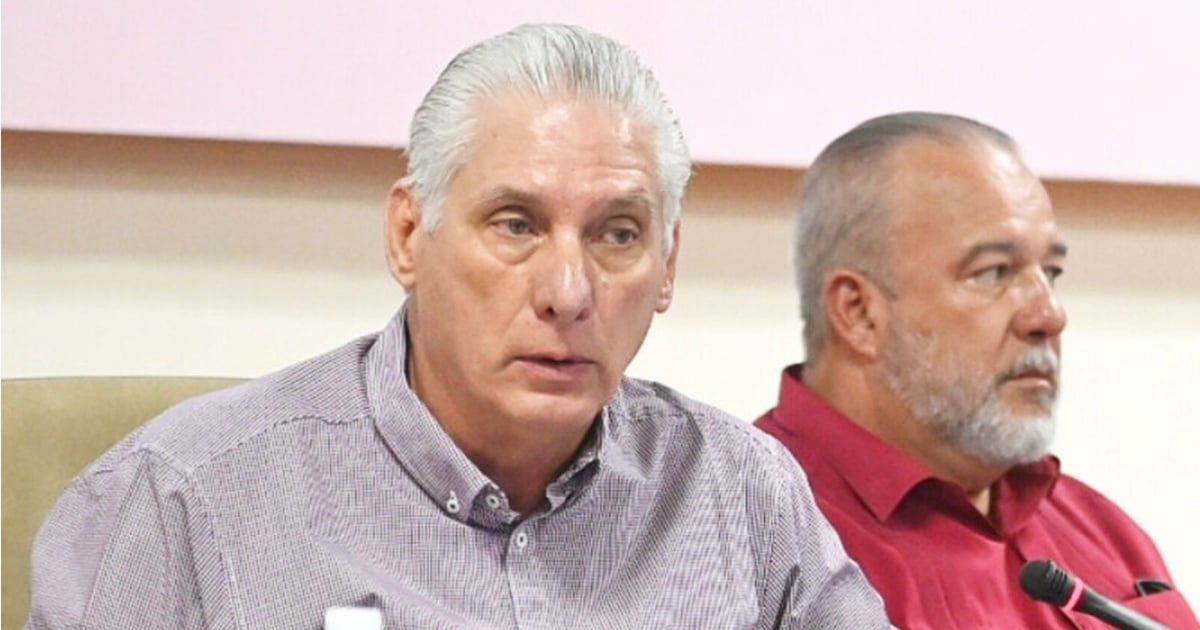
Miguel Díaz-Canel, the current leader of Cuba, has issued a stern warning that the government will take action against those who block public roads during protests in Havana, labeling such activities as "unacceptable" public disorder. This warning came during a meeting focused on addressing the ongoing crises involving water, electricity, and waste management plaguing Havana, following several days of heightened tensions and complaints regarding basic services.
While acknowledging that the public's grievances are legitimate, Díaz-Canel emphasized that these concerns must be raised through established channels: the Party, government institutions, and state entities. "No one is authorized to close a public road as it disrupts essential services for our own people. Measures will be taken in response. Public disorder is inadmissible," he stated, addressing the recent surge in civic unrest.
Díaz-Canel acknowledged the significant magnitude of the problems, admitting they "cannot be solved over a weekend," and called for consistent efforts in addressing these issues. He also conceded that there are "accumulated organizational problems" identified during the current support operation.
Among the control measures announced, he ordered inspections of non-state sector centers to ensure compliance with electricity consumption plans, warning that any place failing to adhere to its plan will be shut down. Furthermore, he instructed the implementation of a fuel control system designated for the capital.
Regarding water supply, Díaz-Canel directed efforts to prioritize areas with prolonged disruptions and encouraged community involvement in cleaning and beautification tasks, along with mobilizing workplaces to support their neighborhoods in these endeavors.
Increased Repression Amid Growing Crisis
On Friday, Miguel Díaz-Canel led an extraordinary session at the PCC Provincial Committee in Havana, joined by ministers, military leaders, and senior Political Bureau officials, following the protests and pot-banging demonstrations that recently unsettled the capital. During the meeting, he announced the formation of teams to work directly with local authorities and mass organizations to address neighborhood demands.
Additionally, he mobilized resources and forces from the Revolutionary Armed Forces (FAR) and the Ministry of the Interior (Minint), enhancing military presence in managing the crisis.
These statements from the regime come two days after dozens of Cubans took to the streets in Havana, following consecutive days of severe power outages and water shortages. The power cuts have been widespread across the city, lasting up to 24 hours, leading to growing social discontent.
Numerous citizens have voiced their frustration over the lack of solutions and the repetition of the same official explanations, as they endure sweltering temperatures, mosquitoes, water shortages, and the inability to perform everyday tasks such as cooking or laundry.
FAQs on Havana's Protests and Government Response
What measures did Díaz-Canel announce to control protests in Havana?
Díaz-Canel announced inspections of non-state sector centers to ensure compliance with electricity consumption plans, with the threat of closure for non-compliance. He also ordered the implementation of a fuel control system and encouraged community involvement in addressing water supply issues.
Why are Havana residents protesting?
Residents are protesting due to prolonged power outages, inconsistent water supply, and the accumulation of waste, which have been exacerbating everyday living conditions in the city.
How has the Cuban government responded to the protests?
The government has reinforced military presence and formed teams to work with local authorities in addressing community demands, while also threatening actions against those blocking public roads during protests.