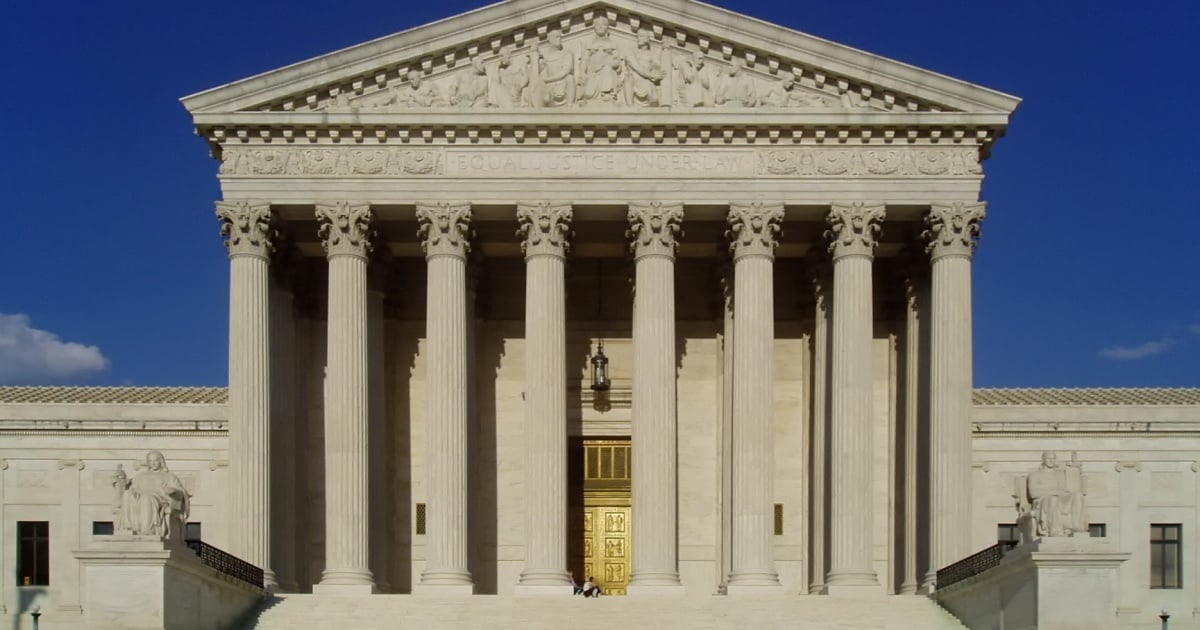
The United States Supreme Court has given its nod to the Trump administration to revoke Temporary Protected Status (TPS) for more than 300,000 Venezuelan migrants. This emergency order immediately overturns a previous federal court decision that halted the removal of these protections. The ruling, which reflects the court's ideological divisions, delivers a harsh blow to hundreds of thousands of Venezuelans who relied on TPS as a safeguard against their homeland's political, economic, and humanitarian turmoil.
With a conservative majority in control, the Court offered no detailed justification, as is customary in such extraordinary appeals. However, the unsigned order stated, "The same decision we made in May is appropriate here," referencing an earlier ruling that allowed the Executive Branch to partially suspend these protections.
Understanding TPS Amid Political Turbulence
Established by Congress in 1990, the Temporary Protected Status (TPS) program enables the federal government to extend temporary protection to nationals from countries experiencing armed conflict, natural disasters, or other extraordinary conditions that prevent safe return. This status allows individuals to live and work legally in the United States for renewable 18-month periods.
Venezuela was granted TPS in March 2021 under President Joe Biden, acknowledging what Washington deemed "the worst humanitarian crisis in the Western Hemisphere." The protection was renewed in 2023, just weeks before Trump resumed office. However, 2025 has ushered in a stark policy shift. At the behest of Homeland Security Secretary Kristi Noem, the Republican administration announced the cancellation of this protection.
The Legal Battle in Lower Courts
The legal dispute escalated after federal Judge Edward Chen in San Francisco found that the government acted unlawfully and without technical basis in revoking TPS. According to Chen, the Department of Homeland Security (DHS) had acted with "unprecedented haste and in an unprecedented manner... with the predetermined purpose of accelerating the termination of Venezuela's TPS." This conclusion was supported by a unanimous panel of three appellate judges, including Judge Kim Wardlaw, who noted, "DHS made its decisions first and sought valid grounds for those decisions afterward."
Following these findings, Chen issued an order temporarily blocking the TPS cancellation, allowing thousands of migrants to retain their work and residency permits. Nevertheless, the Trump administration appealed to the Supreme Court to overturn this measure, and it succeeded.
Supreme Court Greenlights TPS Termination
On Friday, the Supreme Court justices agreed to the government’s request to lift Chen's protective order, similar to a parallel case in May affecting 350,000 Venezuelans whose protections had already expired. Now, the Supreme Court has explicitly authorized the government to proceed with terminating TPS for over 300,000 additional Venezuelans, despite the ongoing primary litigation.
This policy could potentially impact around 600,000 people, including 500,000 Haitians who would also lose the benefit, according to plaintiffs' attorneys. As reported by the Associated Press (AP), some migrants have lost jobs and homes, while others have been detained and deported following judicial interventions, highlighting the tangible impact of these legal decisions.
Progressive Dissent and Warnings of Lives at Risk
The Court's three liberal justices—Ketanji Brown Jackson, Sonia Sotomayor, and Elena Kagan—opposed the measure, with only Jackson penning a written dissent. She voiced deep concern over the Court's repeated interference in cases affecting vulnerable communities without thorough analysis.
"I dissent because, with all due respect, I cannot accept our repeated, gratuitous, and harmful interference in pending cases in lower courts while lives are at stake," wrote Justice Jackson. "The Court is allowing the administration to disrupt as many lives as possible, as quickly as possible," she added.
Government Arguments and Political Pressure
Solicitor General D. John Sauer, the government's lead attorney before the Supreme Court, defended the urgent intervention as necessary to uphold Executive authority and curb what he termed "untenable judicial disobedience" by lower courts.
"This case is familiar to the Court and involves the increasingly familiar and untenable phenomenon of lower courts disobeying this Court's orders on the emergency docket," Sauer argued. Allowing Judge Chen's decisions to stand would have meant an unjustified freeze on immigration policy based on "meritless legal theories."
An Uncertain Future for Venezuelan Families
The Supreme Court's decision does not automatically and permanently remove TPS, but it does enable the Trump administration to continue with the termination process without waiting for the final litigation outcome. For thousands of Venezuelan families, this translates into an imminent threat of losing immigration status, unemployment, family separation, and deportation.
In states like Florida, Texas, California, and New York—where the majority of the Venezuelan diaspora in the United States resides—workers with TPS are already reporting job losses. Immigration policy has become one of the most divisive issues of Trump's second term. For some Republican sectors, revoking TPS is a means to reassert control over borders. However, for human rights advocates and legal groups, it is a disproportionate measure that endangers refugees from a devastated nation.
Although the judicial process continues, the Supreme Court's decision sets a crucial precedent regarding the limits of executive power in immigration matters and the role of the Judicial Branch in checking that power. The final outcome will depend on future hearings and the political landscape in Washington.
FAQs on Supreme Court's TPS Decision for Venezuelans
What is Temporary Protected Status (TPS)?
Temporary Protected Status (TPS) is a program established in 1990 that allows the U.S. government to grant temporary protection to nationals from countries experiencing armed conflict, natural disasters, or other extraordinary conditions.
How does the Supreme Court's ruling affect Venezuelan migrants?
The ruling allows the Trump administration to proceed with terminating TPS for over 300,000 Venezuelan migrants, potentially affecting their legal status, employment, and residency in the United States.
What are the implications of this decision for the future?
This decision sets a precedent regarding executive power limits in immigration policy and the role of the judiciary in overseeing such power. It could influence future cases involving TPS and other immigration issues.