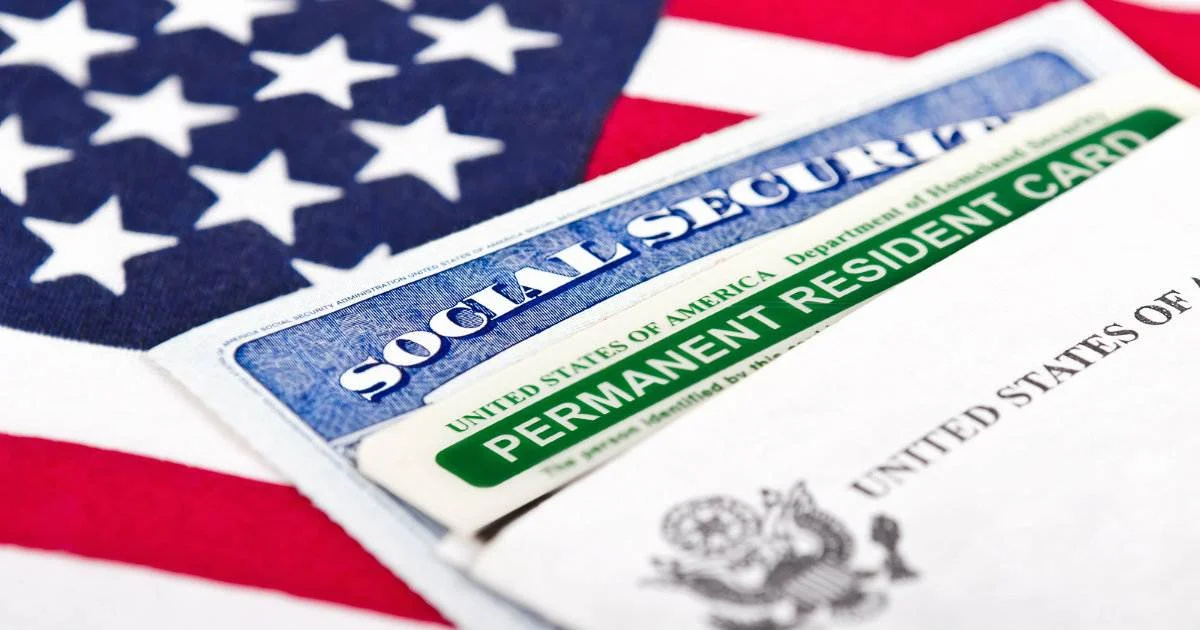
In the United States, obtaining permanent residency, commonly referred to as a "green card," is a highly sought-after goal for immigrants due to the rights it grants. One of the most popular pathways to achieving this status is through family connections, though the process varies in duration and complexity depending on the applicant's classification category. The U.S. Citizenship and Immigration Services (USCIS) divides applicants into two main categories: Immediate Relatives and Family Preference.
Immediate Relatives vs. Family Preference: Understanding the Categories
For Immediate Relatives, visas are readily available, which significantly reduces the waiting period to a few months. This category includes:
- Spouses and children under 21 of U.S. citizens.
- Parents of U.S. citizens.
- Orphans adopted within or outside the country.
The process involves filing Form I-130, where the citizen petitions for an immigrant visa for their family member, and Form I-485, through which the beneficiary requests residency or status adjustment if they are already in the U.S. on a different visa.
Conversely, the Family Preference category is subject to annual limits and extensive waiting lists. This group includes:
- Unmarried children of any age of U.S. citizens.
- Spouses and children under 21, or unmarried adult children of permanent residents.
- Married children of U.S. citizens, along with their spouses and children.
- Siblings of U.S. citizens, along with their spouses and minor children.
For these individuals, the waiting period is determined by their country of origin and can extend over several years. The Department of State releases a monthly bulletin detailing available dates for each category based on when USCIS received the initial petition.
Additional Requirements and Recent Changes
Applicants must not only submit the necessary forms but also provide proof of family relationships, pass background checks, and comply with interviews and verifications to ensure the authenticity of the connections. USCIS advises consulting with an immigration attorney to avoid procedural errors.
In August, USCIS announced stricter rules for the family reunification program. These changes include tighter background checks, additional requests for documentary evidence, new eligibility criteria for accepting Form I-130, and more rigorous visa interview requirements. The agency cited Executive Order 14161 as the basis for these adjustments, aiming to enhance the "integrity and security" of immigration processes.
"This guidance will improve USCIS's ability to evaluate marriages and family relationships to ensure their authenticity," the institution stated.
Implications for Cuban Immigrants
While these regulations impact immigrants globally, for Cubans, the process has unique challenges. The Cuban regime has long disrupted families through political repression, mobility restrictions, and manipulation of exit permits and reunification policies.
Thousands of Cubans seeking to reunite with loved ones in the United States face not only the legal procedures in the U.S. but also the internal barriers imposed by the Cuban government, which has historically hindered or conditioned emigration.
In this scenario, obtaining permanent residency through family ties is often seen as a way to escape the regime's control. However, bureaucracy, evolving immigration rules, and lengthy waiting lists can prolong family separation for years, exacerbating the suffering caused by Havana's oppressive system.
For many Cubans, achieving permanent residency is not just an immigration process; it represents a chance to break free from the political prison that the island has become and to restore family unity that has been shattered by Castro's regime.
Understanding Permanent Residency through Family Ties in the U.S.
What are the categories for family-based permanent residency in the U.S.?
USCIS classifies family-based permanent residency into two categories: Immediate Relatives and Family Preference. Immediate Relatives include spouses, children under 21, and parents of U.S. citizens, while Family Preference includes other family members such as unmarried adult children and siblings.
How does the waiting period differ between Immediate Relatives and Family Preference categories?
Immediate Relatives have visas immediately available, reducing waiting times to a few months. Family Preference categories are subject to annual limits and long waiting lists, with durations varying based on the applicant's origin country.
What recent changes have been made to the family reunification program by USCIS?
USCIS has tightened rules, including stricter background checks, additional documentary evidence requests, new eligibility criteria for Form I-130, and more rigorous visa interviews, all aimed at enhancing process integrity and security.