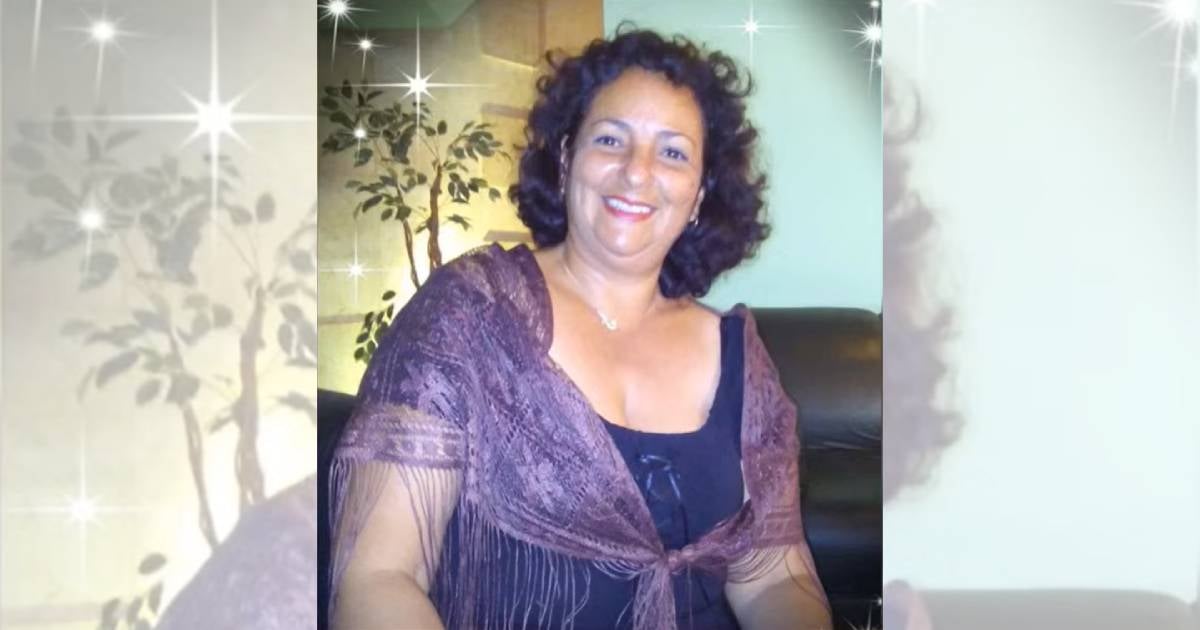
Dania María Santí Morlanes, the former dean of the Faculty of Languages and Communication at the University of Camagüey, has been granted permanent residency in the United States through a family petition, as reported by Martí Noticias. Renowned for her role in politically motivated expulsions of faculty and students, her case has reignited painful memories among those affected by academic repression. Many now question how someone who was a prominent enforcer of ideological sanctions in Cuba can enjoy the freedoms of a country she once criticized.
Journalist and former university professor José Raúl Gallego recalled that in 2018, Santí, a member of the Communist Party, signed the resolution that demoted him from his teaching position and banned him from teaching for his contributions to independent media and defending a student facing expulsion. "She was the visible executioner, the signature that turned a political order into punishment," Gallego stated, presenting documents signed by the former dean as evidence of the events.
Similarly, journalist José Luis Tan Estrada, a former student and lecturer at the university, recounted how Santí personally read him his expulsion notice in November 2022, accusing him of being a "negative influence" due to his social media posts. "She did it with satisfaction," he recalled. Following this episode, Tan experienced surveillance, internet disruptions, interrogations, and discrediting campaigns, eventually forcing him to leave Cuba.
From Executing Expulsions to Embracing the "American Dream"
According to Martí Noticias' investigation, Santí Morlanes traveled to the United States in February of this year and returned to Cuba in September already holding her green card. However, when contacted by the media outlet, she denied residing in the country.
The Foundation for Human Rights in Cuba, which has listed her as a repressor, sees Santí as a "white-collar oppressor": bureaucrats who, from administrative roles, executed political decisions against dissenting voices. "The message is clear: participating in the Cuban regime's repressive mechanisms has consequences," said Rolando Cartaya, a member of the foundation, in an interview with Martí Noticias.
Enjoying Freedoms Once Denied to Others
Santí's victims argue that her past actions should be scrutinized by immigration authorities. "Someone who collaborated in political persecution at the university should be held accountable when seeking protection in a country that upholds the rights she denied to others," Gallego insisted. Tan Estrada was more direct, stating, "While she exiled teachers and students from classrooms, she now enjoys the liberties she denied."
Both victims call for remembrance and accountability, warning that such cases should not become normalized in a community deeply familiar with the costs of Cuban authoritarianism.
Understanding the Controversy Surrounding Dania María Santí Morlanes
What role did Dania María Santí Morlanes play in the University of Camagüey?
Dania María Santí Morlanes was the dean of the Faculty of Languages and Communication, known for her involvement in politically motivated expulsions of faculty and students.
Why is her residency in the United States controversial?
Her residency is controversial because she was a prominent enforcer of ideological sanctions in Cuba, and many question how she can now benefit from the freedoms of a country she once criticized.
What actions have victims of Santí Morlanes called for?
Victims have called for her past to be reviewed by immigration authorities, emphasizing the need for accountability for her role in academic repression.