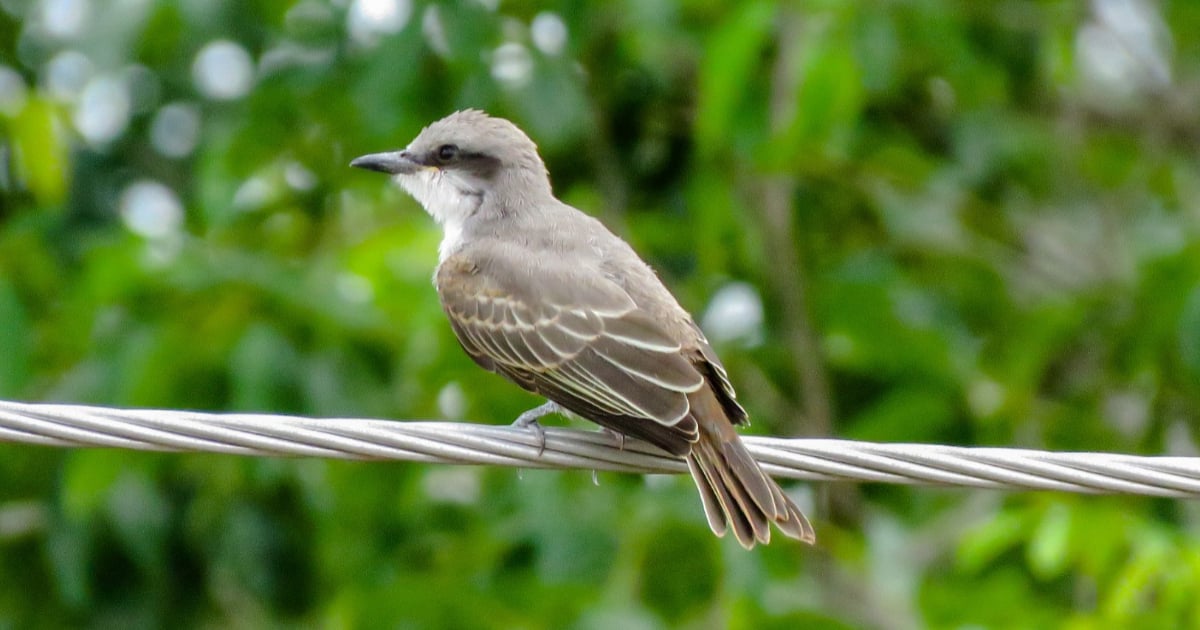
The escalating food crisis in Cuba has reached a critical point, as evidenced by the sale of the migratory bird, the Bee-eater, for 400 pesos per pound in the eastern region of the country. This price is roughly equivalent to a dollar on the informal exchange market.
The independent group, Food Monitor Program (FMP), highlighted on the social media platform X this Wednesday that hunting this bird species has become a survival strategy for numerous families, despite the potential ecological damage it may cause.
"The Bee-eater is not merely a source of meat; it plays a vital role as a natural insect controller and helps maintain ecosystem balance," warned the organization.
During their seasonal migration, these birds gather around rivers, lagoons, and water bodies, making them easy targets for hunters armed with makeshift weapons such as 4.5 mm air rifles—described as sporting but deadly for birds—and shotguns regulated by Cuba's Decree Law 262.
For those raising the alarm, this practice exemplifies the paradox of Cuba's crisis: a natural resource transformed into a means of survival, a weakened ecosystem, and a species put at risk.
"Indiscriminate hunting, combined with rampant deforestation, heightens the vulnerability of the Bee-eater's migratory paths," the report cautioned.
The FMP also reminded that scarcity has driven illegal logging, hunting of hutias and iguanas, and intensive fishing of species like crabs and freshwater shrimp, all desperate alternatives in the face of food shortages.
The program urged the Cuban authorities to address this issue with policies focusing on social justice and environmental protection to ensure sustainability without criminalizing survival practices in a country with ever-diminishing resources.
The dire situation confronting Cubans today forces them into primitive survival practices, seen daily. Recently, FMP reported that the energy and food crisis in Cuba has compelled thousands of families to cut down trees for cooking due to power outages lasting up to 20 hours a day and the prolonged suspension of liquefied gas supply.
Addressing the Ecological Impact of Cuba's Food Crisis
What ecological role does the Bee-eater play?
The Bee-eater serves as a natural insect controller, helping to maintain ecological balance by preying on insects.
Why is the Bee-eater being sold in Cuba?
Due to the severe food crisis, hunting and selling the Bee-eater have become survival strategies for families, despite the ecological risks.
What actions are being suggested to address this crisis?
FMP suggests implementing policies focused on social justice and environmental protection to address the crisis sustainably, without penalizing survival practices.