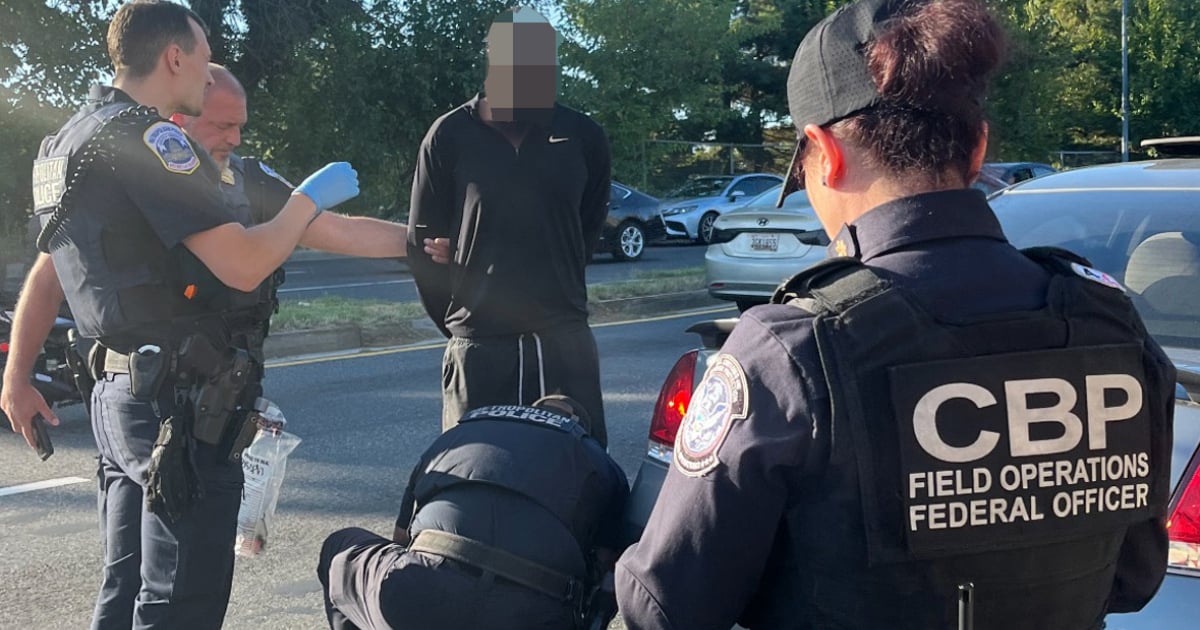
On Wednesday, the United States government firmly denied circulating social media rumors suggesting alterations to immigration laws following the initiation of a federal administrative shutdown, the first of its kind in nearly seven years. The official Migración USA account, dedicated to disseminating information on U.S. immigration policies aimed at curbing illegal immigration, issued an update on X regarding the situation post-administration closure.
"There are no changes to U.S. immigration laws or border enforcement. Any rumors claiming that a government shutdown will allow illegal immigrants to enter the United States are false," the message stated. "Border security and law enforcement efforts remain stringent, and unauthorized border crossings continue to be a crime," it added.
Simultaneously, agencies impacted by the funding shortfall announced immediate adjustments to their communication strategies. The Del Rio sector of the Border Patrol in Texas cautioned that its account will not be actively managed during the budgetary suspension: "We will not respond or update until funding is approved," they communicated.
The National Oceanic and Atmospheric Administration (NOAA) also notified that it will halt updates to its networks during the shutdown, except for critical platforms intended to protect lives and property. They advised the public to visit weather.gov for essential weather information.
The Political Stalemate Affecting Millions
The governmental shutdown commenced at 12:01 a.m. on Wednesday after Congress failed to pass a temporary budget to keep the administration operational. Disagreements between Republicans and Democrats center around healthcare subsidies and spending cuts pushed by President Donald Trump during his second term.
Rather than seeking consensus, Trump intensified the confrontation with a mocking video against his opponents and a blunt statement: "They lost the elections by a landslide and do not change." The conflict threatens to have profound implications.
The White House Office of Management and Budget (OMB) warned that, unlike previous shutdowns, there may not only be unpaid furloughs but also permanent layoffs. Trump himself hinted at this: "We can do things during the shutdown that are irreversible, bad and irreversible for them [the Democrats], like leaving a large number of people unemployed."
Essential Services and Partial Paralysis
While the Border Patrol, air traffic controllers, postal services, and armed forces will continue to operate, they will do so with personnel not receiving pay until further notice. In contrast, sectors such as federally funded preschool education, student loans, food inspections, food assistance programs, and national parks are already experiencing the immediate effects of the paralysis.
Smithsonian museums, including the National Zoo, have closed their doors. Plans for hiring and training new air traffic controllers have also been suspended, potentially impacting air traffic.
In public health, the FDA warned it will limit itself to emergency responses, reducing its preventive work against foodborne diseases. Although Medicare, Social Security, and veterans' benefits continue to be disbursed from independent sources, their administration might slow down, particularly affecting the most vulnerable communities.
The Political Background
For analysts, the shutdown represents more than a budgetary clash; it is a standoff between two irreconcilable visions of governance. Democrats aim to protect social and health programs, while Trump and the Republicans seek to shrink government and force concessions.
"We will not support a partisan Republican spending bill that continues to dismantle healthcare for ordinary Americans," stated Hakeem Jeffries, the Democratic leader in the House.
Tensions also simmer within the Democratic Party, whose leaders face pressure not to yield. Trump's team maintains that the responsibility lies with their opponents. Budget director Russ Vought argued that the shutdown could be avoided if the Senate approved the Republican plan: "A shutdown will be managed appropriately, but it can be avoided if Democrats accept the bill passed by the House."
Conversely, Democrats believe the president is not seeking negotiation but imposition. Senate Democratic leader Chuck Schumer was blunt: "We have less than a day to resolve this, and Trump is trolling online like a 10-year-old."
Trump Administration Blames Democrats as Online Tensions Rise
The partisan struggle has intensified on social media. The White House's official site features a clock tracking the shutdown's duration with the message: "Democrats have shut down the government."
Meanwhile, the official account of the House Republicans stated: "Democrats have officially shut down the federal government. They are prioritizing undocumented immigrants and harming hardworking Americans."
The White House also released a message accusing the opposition of pushing a "$1.5 trillion wish list," including "free healthcare for illegals," and holding the nation hostage. The Democratic response came from former Vice President Kamala Harris, who wrote: "Let's be clear: Republicans are in charge of the White House, the House of Representatives, and the Senate. This is their shutdown."
Understanding the U.S. Government Shutdown
What prompted the U.S. government shutdown?
The shutdown was triggered by a failure in Congress to pass a temporary budget, primarily due to disagreements between Republicans and Democrats over healthcare subsidies and spending cuts proposed by President Trump.
Are there any changes to U.S. immigration laws during the shutdown?
No, there are no changes to U.S. immigration laws or border enforcement due to the government shutdown. Claims suggesting otherwise are false.
How does the shutdown affect government operations?
Essential services like the Border Patrol and air traffic control continue to operate, but with unpaid staff. Other sectors such as education, public health, and national parks face immediate impacts, including closures and suspended activities.