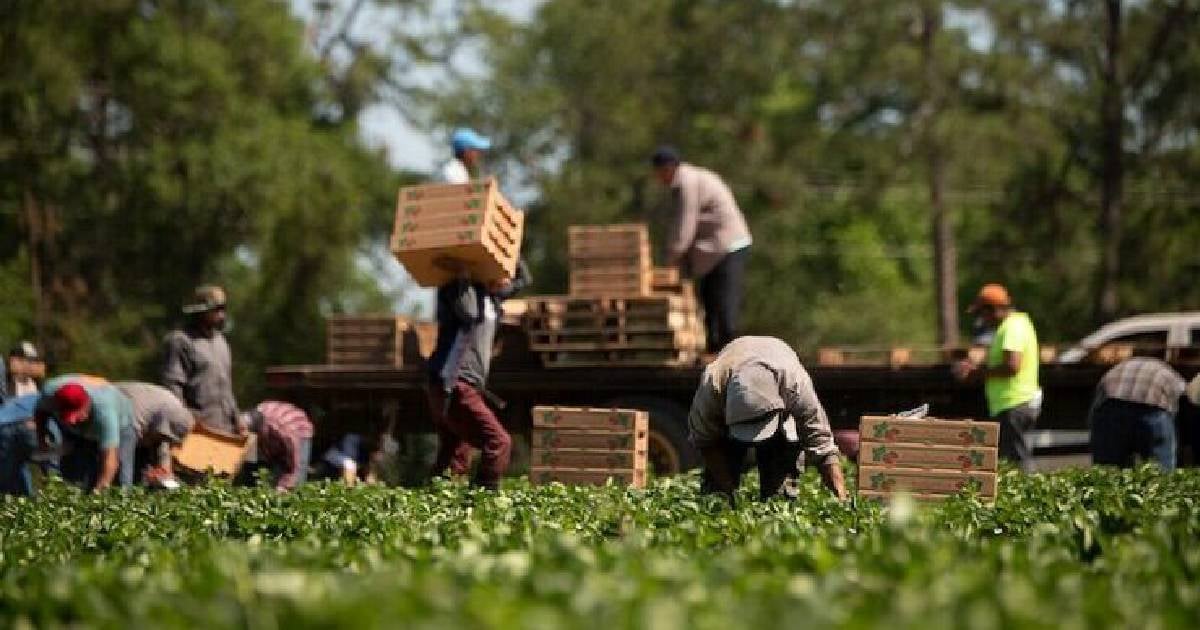
Starting October 2, 2025, the United States Citizenship and Immigration Services (USCIS) will have the ability to process certain applications for H-2A temporary agricultural workers even before they receive approval from the Department of Labor (DOL). According to an official announcement from the Department of Homeland Security (DHS), this updated rule permits USCIS to accept electronic petitions in cases where employers have yet to identify beneficiaries by name, provided that the DOL has issued a notice of acceptance for the temporary labor certification (TLC).
This modification aims to streamline the process while maintaining rigorous checks to ensure that foreign workers do not negatively impact American employees. USCIS spokesperson Matthew Tragesser emphasized that the initiative supports American farmers, upholds the legality of the process, and builds public trust.
The new procedure grants additional flexibility to petitioners, allowing them to submit the form digitally well in advance. The agency has also introduced a simplified version of the petition form, the I-129H2A, which will only be accepted online for petitioners without legal representatives and with unnamed beneficiaries. Those utilizing named beneficiaries or paper formats must adhere to the previous protocol.
The TLC remains essential to determine whether there are American workers available for the positions and if hiring foreigners could impact their employment conditions. USCIS will only approve applications once the DOL has granted the necessary certification.
Throughout the year, President Donald Trump has enacted various immigration policies that have directly affected the agricultural sector. In one of his more controversial statements, he suggested that deportations of field workers might be halted, acknowledging the "certain utility" of migrants in the rural economy. However, his words soon clashed with more restrictive actions.
Shortly after, the political climate grew uncertain for migrant workers in the sector when Trump announced imminent decisions regarding the deportation of agricultural laborers, causing concern among employers and migrant communities. This stance became even stricter when he revoked a program that facilitated temporary employment for foreigners, significantly impacting those reliant on the H-2A visa for legal farm contracts in the U.S.
Amidst this restrictive approach, Trump later acknowledged the significance of immigrants in agriculture, hinting at possible adjustments for some flexibility in hiring processes, albeit without reversing previous measures.
Understanding the Impact of New H-2A Regulations
What changes are being made to the H-2A program?
The new rule allows USCIS to process H-2A petitions electronically and before DOL approval if beneficiaries are unnamed, provided the DOL has issued a TLC acceptance notice.
How will these changes affect U.S. farmers?
The changes aim to expedite the application process, offering more flexibility and support to U.S. farmers by allowing them to submit digital petitions earlier.
What is the role of the Department of Labor in this process?
The Department of Labor issues the temporary labor certification necessary for USCIS to approve H-2A applications, ensuring there are no adverse effects on U.S. workers.