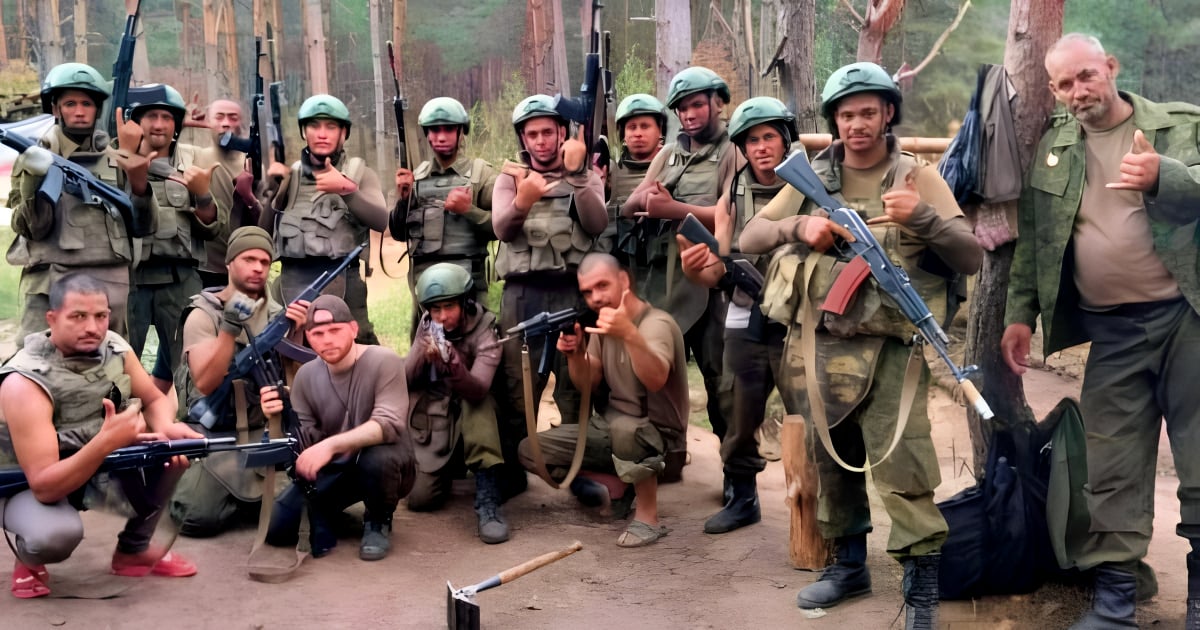
In the latest U.S. State Department Trafficking in Persons (TIP) Report for 2025, a striking accusation has emerged: the Cuban regime is allegedly facilitating the recruitment of its citizens to fight in Russia's invasion of Ukraine. Previously considered a peripheral issue, this accusation is now a central part of the state-sponsored trafficking pattern orchestrated by Havana.
Back in 2023, there were reports of arrests in Cuba connected to networks recruiting Cubans for the Ukraine conflict—17 individuals were accused of human trafficking and mercenarism. These incidents were treated as isolated events, and the Cuban regime refrained from addressing the supposed investigation further.
Media reports highlighted deceptive practices such as fake job offers, passport confiscation, Russian language contracts, and testimonies from young men claiming they were sent to the front lines under false pretenses. However, the TIP Report 2025 elevates this phenomenon from anecdotal to a systemic state exploitation method, akin to the medical missions that have long affected Cuban professionals.
Compulsory military recruitment now stands alongside medical missions as state-sponsored trafficking practices. The report indicates that Cuban authorities expedited passport issuances and omitted exit stamps to deny official knowledge of these recruits' movements.
Between June 2023 and February 2024, over 1,000 Cubans reportedly signed contracts with Russian forces, lured by promises of salaries up to $2,000 per month—an astronomical sum compared to the average Cuban income. In some instances, even after contracts expired, Cubans remained on the front lines. The report frames these occurrences as part of Cuba's state operation to control and subjugate through deception and retention mechanisms.
The new perspective is evident: what was once termed "recruitment networks" is now viewed by the U.S. as a manifestation of state policy on human trafficking. This alters the nature of the accusations, shifting from isolated criminal activities to direct governmental complicity.
This shift in the TIP 2025 report significantly heightens international pressure on the Cuban regime. It's no longer sufficient to dismantle networks; a structural overhaul of the state control model, along with the investigation and sanctioning of implicated officials, is demanded, as well as reparations for victims.
The report's recommendations include clarifying fraudulent recruitment practices, ensuring Cubans retain their identity documents, removing arbitrary movement restrictions, and enhancing legal protections for those affected.
Historically, the Cuban government has dismissed TIP accusations as "slanders," and it is unlikely to respond differently now. However, the formalization of these allegations in the 2025 report, coupled with more detailed data on contracts and state complicity, undermines the narrative of mere isolated abuses.
The case of Cuban mercenaries in Ukraine represents the most serious and novel accusation Cuba has faced regarding human trafficking by the U.S. government. Its inclusion in the report highlights the Ukraine conflict as an internal dimension of control and exploitation by the Cuban regime. For those affected, it calls for recognition and justice; for Havana, it marks an unprecedented focus of international scrutiny.
Key Concerns on Cuban Involvement in Human Trafficking
What are the new accusations against the Cuban regime in the TIP 2025 report?
The TIP 2025 report accuses the Cuban regime of facilitating the recruitment of Cuban citizens to fight in Russia's invasion of Ukraine, marking a shift from isolated incidents to a state-sponsored trafficking policy.
How does the TIP 2025 report suggest addressing these issues?
The report recommends clarifying fraudulent recruitment practices, allowing Cubans to keep their identity documents, removing arbitrary movement restrictions, and improving legal protection for victims.
How has the Cuban government historically reacted to accusations in the TIP reports?
The Cuban government has historically dismissed TIP report accusations as "slanders" and is expected to continue this stance despite the formalization of these allegations in the 2025 report.