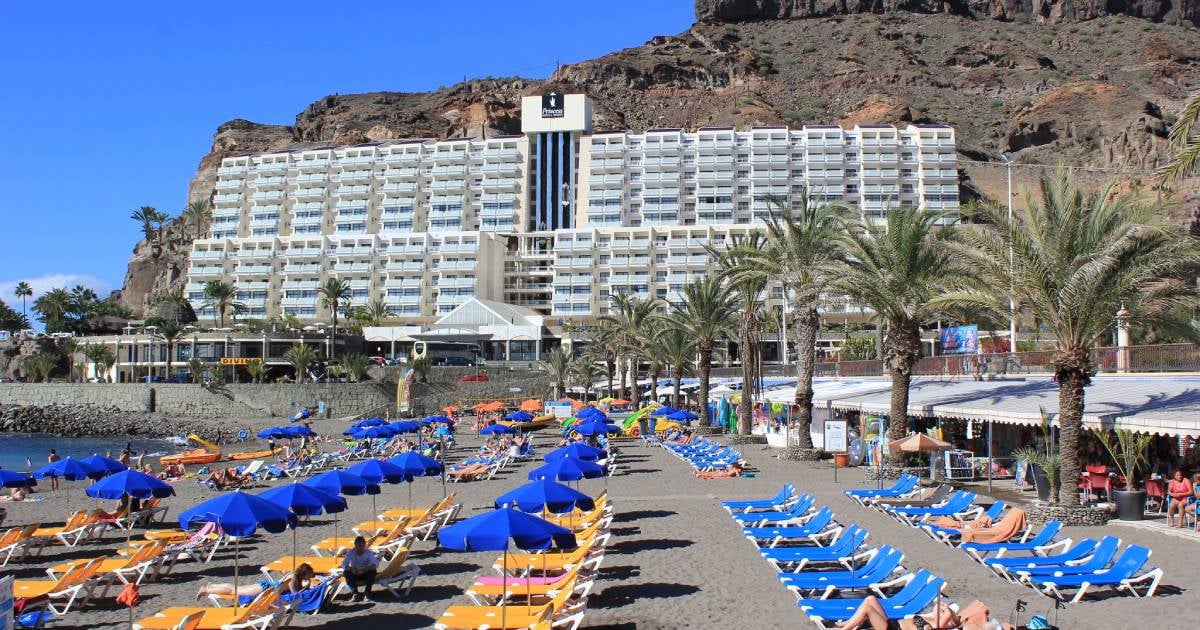
A significant setback for long-time allies of the Castro regime unfolded in Spain last week. The Canary Islands court dismissed the final appeal by the Grumasa Martinón hotel group, which has been associated with Fidel Castro for decades, to halt the sale of several hotels in Gran Canaria. The ruling, issued by the Commercial Court No. 1 in Las Palmas, confirmed the sale of Mar Abierto S.L.'s hotels in the tourist area of Taurito to the influential Lopesan Group. Lopesan's bid, exceeding 99 million euros, outstripped Grumasa's offer, as reported by the Spanish press.
Judge Alberto López Villarrubia rejected the appeals filed by the Canary Island company and the union committee, effectively nullifying their efforts to block the sale.
From Castro Associate to Courtroom Defeat
Enrique Martinón Armas, the founder of Grumasa, had close ties with the Cuban regime starting in the late 1980s, according to a report by eldiario.es. He was among the first Spanish entrepreneurs to open hotels in Cuba, forming the joint venture Cubacan with Fidel Castro, which managed properties in Varadero and Havana. His 1999 marriage to Cuban doctor Janet Martínez Morán even featured the attendance of the communist leader himself, symbolizing the strong alliance between the Canary businessman and the Castro government.
For years, Martinón was seen as a "favorite entrepreneur" in Havana. His investments made him a key figure in Caribbean tourism, with ventures also extending into the Dominican Republic and Mexico. However, after Fidel Castro's illness and subsequent death, Martinón fell out of favor with the regime, and his name was banned on the island. He passed away in 2022 in Madrid at the age of 81, but his family continued the business.
A Setback Signaling Decline
The court ruling in the Canary Islands not only solidified Lopesan's position as a tourism leader in the region but also highlighted the waning influence of business groups that once thrived under Castro's regime. Grumasa, once touted as a symbol of Cuba's economic openness, now finds itself defeated in Spanish courts and overshadowed in the competitive hotel industry.
While Lopesan promises investments, job maintenance, and a "tourist revival" in Taurito, the Martinón group faces a costly setback.
Questions About the Canary Islands Hotel Case
What was the outcome of the court ruling in the Canary Islands regarding the hotel case?
The court confirmed the sale of Mar Abierto S.L.'s hotels to the Lopesan Group, rejecting Grumasa's appeal to block the sale.
Who is Enrique Martinón Armas and what is his connection to Cuba?
Enrique Martinón Armas was the founder of Grumasa and had close ties with the Cuban regime since the late 1980s. He was among the first Spanish entrepreneurs to open hotels in Cuba, in partnership with Fidel Castro through the joint venture Cubacan.
How does the court's decision affect the Martinón group?
The decision represents a significant loss for the Martinón group, as it marks a decline in their influence and a costly defeat in the hotel industry.