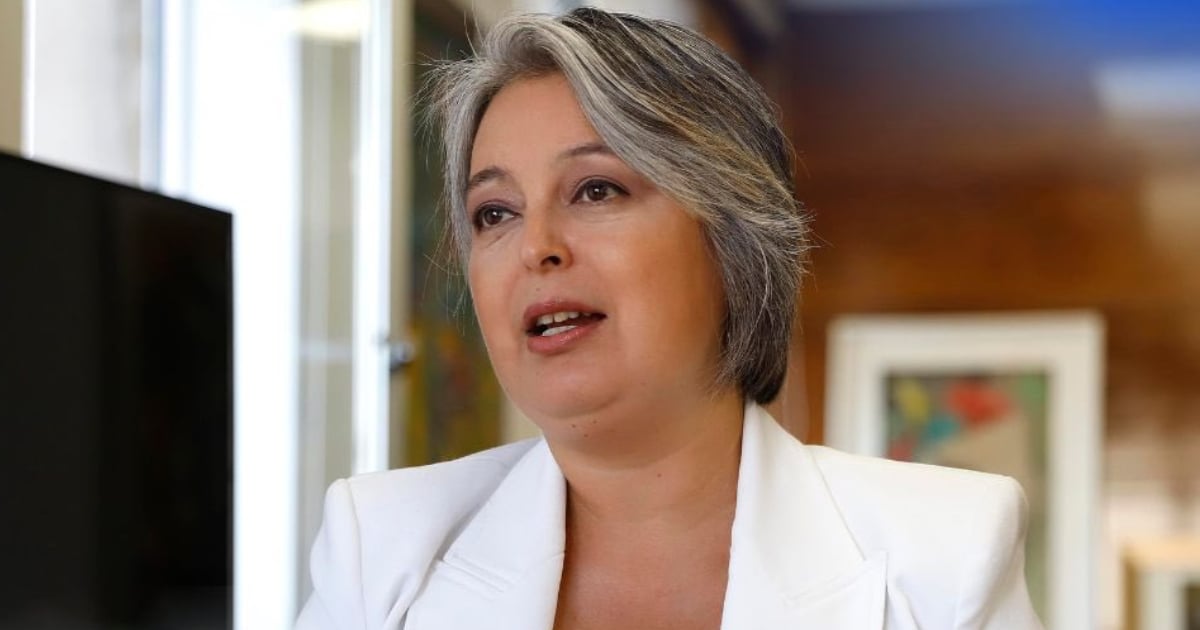
The ongoing presidential campaign in Chile has been stirred by renewed discussions about Cuba, following a remark by Senator Juan Luis Castro. He humorously commented on the stance of Communist candidate Jeannette Jara, who recently acknowledged that "clearly, there is no democracy" on the island. During an interview on 24 Horas' Estado Nacional, a comment that quickly made headlines, Castro praised his fellow leftist for her shift, stating, “Jeannette Jara has 'de-communized', though it's an unusual term, she has essentially distanced herself from a stance that most in Chile understand as acknowledging the absence of democracy in Cuba.”
Senator Castro went on to commend Jara for her "courage" in taking a position that breaks from the historical defense of the Cuban regime by the Chilean Communist Party. He noted, “She showed courage, she showed bravery. Today, the election is about undecideds, moderates, and those disenchanted with politics, and there is Jara, standing firm.”
Breaking Away from a Longstanding Defense of Havana
Castro's remarks come shortly after Jara surprised many by admitting on television that Cuba “is clearly not a democracy,” although she maintained that the Cuban people should determine their own political future. This marked a significant change in rhetoric, considering that earlier this year, while serving as Minister of Labor and newly announced presidential candidate for the Communist Party, she had denied that a dictatorship existed on the island. At that time, she defended the Cuban regime by claiming that “every nation determines its government” and blamed the U.S. embargo for the humanitarian crisis in the Caribbean nation.
However, Jara's shift was nuanced, as she refrained from directly labeling the Cuban system as a dictatorship and reiterated that the blockade exacerbates the situation on the island.
The Lingering Debate on Cuba in Latin America's Left
Jara’s shift has sparked significant political and media attention. Some accuse her of inconsistency, while others see it as a response to social and electoral pressures in a country where many openly reject authoritarian models. Her case not only highlights internal tensions within the Chilean left but also rekindles a long-standing debate in Latin America: To what extent should progressive parties continue defending the Cuban regime, which has been criticized for human rights violations, lack of freedoms, and absence of plural elections?
For Cubans, both at home and abroad, these international discussions are far from trivial. The everyday reality of scarcity, repression, and limited political options becomes a campaign issue beyond their borders. In Chile, Castro's joke about Jara "de-communizing" may have been lighthearted, but it underscores a shift that touches on sensitive issues, given Cuba's symbolic weight in the continent's ideological struggles and the growing gap between the rhetoric of some parties and the reality faced by millions of Cubans.
Key Questions on Chile's Political Shift and Cuba
What prompted Jeannette Jara's change in stance on Cuba?
Jeannette Jara's shift in stance was likely influenced by the social and electoral pressures in Chile, where there is a significant rejection of authoritarian models. Her acknowledgment that Cuba is not a democracy marks a break from the Chilean Communist Party's traditional defense of the Cuban regime.
How did Senator Juan Luis Castro react to Jara's statement on Cuba?
Senator Juan Luis Castro praised Jeannette Jara for her courage and bravery in taking a stance that deviates from the historical position of the Chilean Communist Party. He humorously remarked that Jara has "de-communized" by acknowledging the lack of democracy in Cuba.