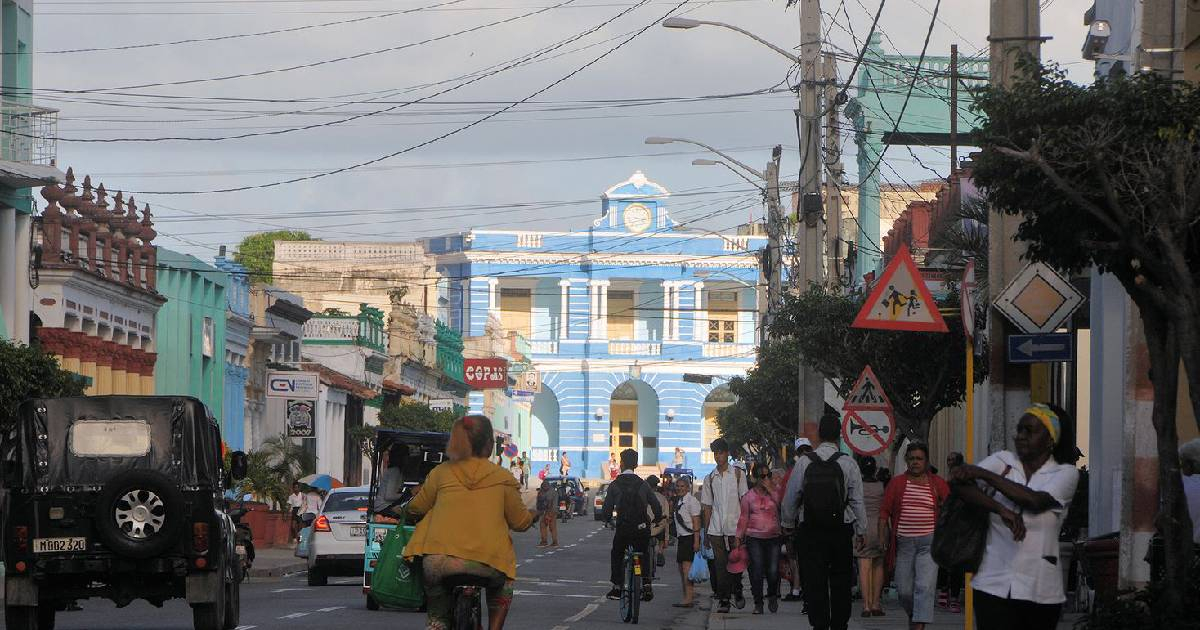
In Las Tunas, Governor Yelenys Tornet Menéndez and Osbel Lorenzo Rodríguez, the First Secretary of the Provincial Committee of the Communist Party of Cuba (PCC), have conceded that social misdemeanors have surged in recent years. They emphasized the necessity of community oversight and preventive measures to tackle these issues.
During a televised session on TunasVisión, focusing on crime and social misconduct, Lorenzo stressed the importance of assessing inappropriate behaviors and crafting preventive strategies. He highlighted a decline in values and the need to regulate recreational venue licenses, control music and speaker use in vehicles, and ensure compliance with the Traffic Code concerning electric motorcycles.
The PCC's top leader in Las Tunas stated that accountability is a collective duty involving authorities, institutions, and families. He asserted that "economic hardship does not justify criminal acts, much less corruption," according to the official newspaper 26. On the topic of drugs, he reiterated the government's "zero tolerance" policy, underscoring prevention as a key strategy.
Governor Tornet reported that crimes stemming from social indiscipline include thefts of electrical cables, transformer oil, equipment, and burglaries in stores and homes, all of which have increased over recent years. She highlighted the need for public support of law enforcement to combat these crimes.
Furthermore, she criticized the arbitrary limits some private merchants impose on digital payment platforms. She noted that 78% of fines issued in the province this year were linked to price policy violations. The provincial government is also addressing concerns over the illegal sale of potable water from state-owned tanker trucks. Tornet mentioned ongoing improvements in water supply networks and monitoring of these infractions, with task forces activated to combat drought-related issues.
Weeks ago, official media in Las Tunas reported a wave of social misconduct ranging from deafening music to micro-dumps, vandalism, and public assaults, a scenario locals find intolerable, attributing it to official inaction and impunity. According to a poll by newspaper 26, solid waste management is another major concern.
Vandalism in schools, hospitals, and public transportation was frequently mentioned. There were also reports of fights in queues, alcohol consumption in public places, and, particularly troubling, individuals urinating or defecating in the streets, indicating a complete breakdown of decency and basic social interaction. Additionally, sidewalks have become hazardous due to the encroachment of motorcycles and bicycles.
The common thread among all complaints is the perceived impunity. Residents claim they report issues to delegates, contact the police, and fill out surveys, yet they rarely witness institutional action. The lack of enforcement and penalties fuels public frustration and the sense that chaos is spiraling out of control.
Addressing the Social Issues in Las Tunas
What measures are Las Tunas authorities taking to combat rising crime?
Authorities emphasize community oversight, preventive strategies, and public support for law enforcement to tackle rising crime.
How are social values in Las Tunas being affected?
There is a noticeable decline in values, with increased social misconduct, including thefts and public indecency, contributing to a deteriorating social environment.
What role do economic conditions play in the rising crime in Las Tunas?
Economic difficulties are acknowledged, but authorities maintain that they do not excuse criminal behavior or corruption.