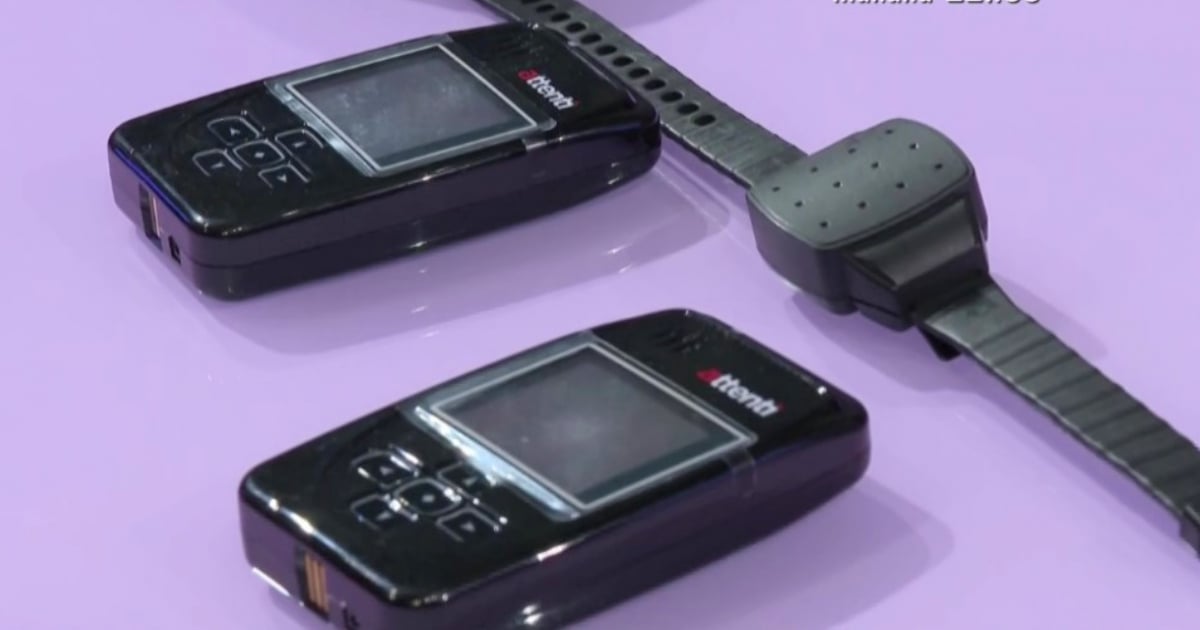
A 37-year-old Cuban national has been acquitted by the Provincial Court of Madrid, after being accused of violating a restraining order, due to catastrophic failures in the telematic control system that made it impossible to determine his guilt. The verdict, issued by Section 26 on June 18, not only absolved the defendant of criminal responsibility but also highlighted a particularly severe episode in the technological management of protection for victims of gender-based violence in Spain.
An Alarming History of Alerts and System Failures
From September to November 2022, the offender, already subjected to a restraining order, was monitored via an electronic bracelet managed by the Cometa center. Technical records indicated up to six device disconnections in a single day, alongside multiple battery failures and entry into prohibited zones, as reported by the Spanish outlet Ok Diario. However, due to a failed data migration between system providers, the entire file was lost.
During the trial, a representative from the Cometa center admitted being unable to provide technical information regarding the bracelet's functioning, the protocol followed during incidents, or communication with the defendant, as all relevant documentation was missing. This lack of information prevented establishing whether the accused was warned about the failures or acted deliberately by removing the device.
Acquittal Based on System Collapse
Judges Eduardo Jiménez-Clavería Iglesias, Leandro Martínez Puertas, and María Cruz Álvaro López unanimously confirmed that the absence of verifiable intent regarding the numerous incidents prevented sustaining the accusation. The ruling emphasized that, without data on the defendant's behavior, it was impossible to ascertain the "subjective element" required to convict him for breaching the court order.
The court also noted that the detected "entries into the exclusion zone" couldn't be contextualized, and the device replacement due to persistent failures on February 23, 2023, further demonstrated that the technical errors were consistent and not directly attributable to the accused. Despite the victim receiving numerous alerts and calls from the Cometa center, the court found that the offender did not contact her or physically breach the safety perimeter, supporting the notion that the alarms could have been false.
Failed Appeal by the Victim
The complainant appealed the initial sentence, seeking a conviction for continuous breach, but the Provincial Court dismissed the appeal entirely. The ruling stated that it was not possible to hold the defendant criminally responsible—whose identity remains undisclosed—without solid evidence proving his intention to violate the judicial order. Legal costs were imposed ex officio, reflecting that the appeal lacked legal basis against the system's collapse.
A National Crisis in Electronic Monitoring
This verdict falls within a context of significant controversy in Spain over the reliability of electronic bracelets intended to protect women from gender-based violence. As acknowledged in the Attorney General's annual report, a provider change data migration between June and November 2024 caused widespread failures, leading to an "increase in victim alert statuses," provisional dismissals, and acquittals like the one now confirmed.
Despite government assertions that "women were protected at all times," judicial reports, as in this case, demonstrate the system's failures. In recent statements, Spain's Minister of Equality, Ana Redondo, even questioned the existence of such rulings: "It's very likely they don't exist," she declared, despite outlets like OKDiario uncovering at least two acquittals directly linked to these technical issues.
Political Fallout and Institutional Divide
The opposition quickly reacted with harsh criticism. Alicia García, spokesperson for the People's Party (PP) in the Senate, described the case as "criminal negligence" and demanded political accountability. "Victims don't lie. Justice doesn't lie. The one lying is the minister," she asserted, referring to the government's repeated declarations minimizing the problem's scope.
Meanwhile, the Ministry of Equality insists that the bracelets are under police control and that "technology isn't infallible, but it works." Nevertheless, the government admits that issues occurred over five months, though they claim these have now been "resolved."
The Consequences of Systemic Failure
The Cuban aggressor's acquittal not only questions the Spanish telematic system's ability to effectively protect victims but also reveals a legal and technical void potentially benefiting perpetrators. In a system where criminal conviction relies on electronic data that can be erased or lost, impunity becomes a technical, not a legal, consequence. This ruling marks a turning point in the public debate over the reliability of technological means in combating gender violence. When data disappears, justice falters, and victims remain more vulnerable, unprotected by a system meant to safeguard them.
Key Questions About Electronic Monitoring Failures in Spain
What led to the Cuban man's acquittal in Spain?
The acquittal was due to severe failures in the electronic monitoring system, which made it impossible to ascertain his guilt or intent in violating a restraining order.
Why is the electronic bracelet system in Spain controversial?
The system has been criticized for its reliability, particularly following a data migration issue that led to widespread failures and acquittals due to lost or incorrect data.
How has the Spanish government responded to these failures?
The government has acknowledged the issues but claims they have been resolved, maintaining that the technology is generally effective despite these incidents.