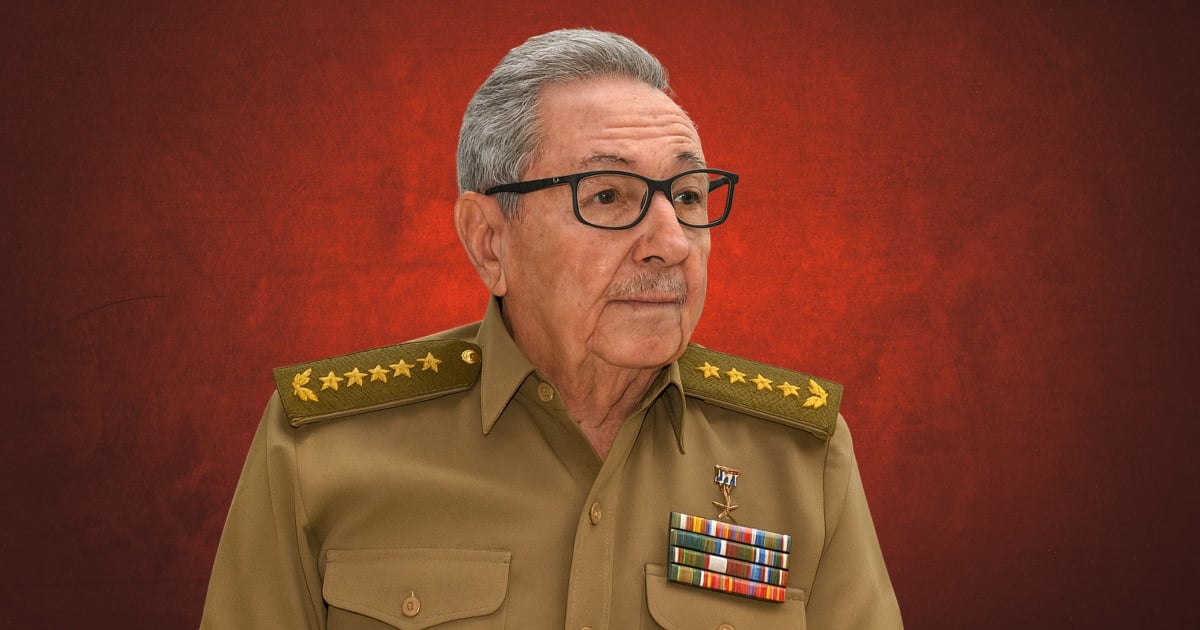
Recently, a rumor concerning Raúl Castro gained traction, originating from a questionable social media profile known for spreading falsehoods. Despite its dubious beginnings, the rumor was picked up by a page masquerading as a news outlet and subsequently escalated to international mentions, Cuban media, and eventually a parody that transformed it into a "death" claim. However, this entire narrative unfolded without a shred of credible evidence.
The Origin: A Source Known for Deception
On September 22, a Facebook profile notorious for fabricating news claimed that Raúl Castro had been urgently hospitalized in Havana. The post included vivid details about "stretchers," "life-support units," and "security rings." Yet, none of these assertions were supported by verifiable evidence—no photos, reliable witnesses, or official medical reports.
The Spread: A False Media Outlet
The following day, a Facebook page posing as a legitimate news source replicated the initial post almost verbatim, presenting it as their original reporting. This "republication" allowed international media to cite it as an "unofficial source," lending the rumor a veneer of legitimacy.
From Hospitalization to Death: The Role of Parody
The turning point occurred when a parody page created a graphic asserting Raúl Castro's death. This transformed the original hospitalization rumor into a supposed death, which was widely shared by users, pages, and influencers, amplifying the falsehood to another level.
A Cycle of Deception
The sequence was clear: An unreliable profile posts about hospitalization. A faux news page republishes it as news. International media cite it as "unofficial sources." The Cuban media ecosystem uses it for credibility. A viral parody escalates the story from hospitalization to death. What began as a simple hoax ended up being circulated as "news" to thousands.
An Improbable Secret
Given Raúl Castro's political and symbolic significance, any real event concerning his death would be impossible to conceal. A genuine occurrence would trigger immediate official communication, diplomatic reactions, and global coverage within hours. Visible signs within Cuba, such as solemn events, special programming, and mobilizations, would also be evident. The lack of these indicators confirms that the rumor is baseless.
Why These Rumors Persist
Psychological: For millions of Cubans, the death of Raúl Castro represents the possibility of significant change. This expectation turns any absence into a "sign." However, desire cannot transform rumor into truth.
Sociological: The official secrecy regarding the health of Cuba's historical leaders creates a void filled by speculation. What is not communicated is imagined, allowing rumors to thrive.
Comparative: A similar pattern occurred with Fidel Castro, with numerous false death reports before the actual event in 2016, which was immediately announced, had global repercussions, and left no room for doubt. The same will be true for Raúl Castro; there will be no need for rumors when the truth is evident.
Active Measures: Rumor as a Strategy
These rumors may also be strategically used as active measures to distract from internal issues, gauge social reactions, or mobilize emotions. This hypothesis does not validate the rumor but helps explain its frequency and political timing.
Recurring Pattern: The Reappearance
History shows a pattern: after waves of rumors, a public appearance typically follows, discrediting those who spread unverified information. Each iteration erodes the credibility of the rumor's amplifiers.
The Real Story
Currently, there is no evidence that Raúl Castro is hospitalized or deceased. The real story is how a baseless post became "news" through a series of uncritical replications and a viral parody elevating it to "death." It is a prime example of post-truth, where repetition creates an illusion of reality.
Quick Verification
Has Raúl Castro died? — FALSE. No evidence or official confirmation exists. Is he hospitalized? — Not verified. The only "source" is a discredited social media profile. What would we see if it were true? — Official announcements, international repercussions, visible signs in Cuba.
Editorial Reminder
No evidence of death or hospitalization exists. There is no official confirmation. The hopes of millions should not be mistaken for truth. Our responsibility is not to amplify rumors but to explain and debunk them.
Understanding the Raúl Castro Death Rumor
What was the origin of the Raúl Castro death rumor?
The rumor originated from a Facebook profile known for spreading false information, claiming Raúl Castro was hospitalized without providing any credible evidence.
How did the rumor escalate to international news?
A page posing as a news outlet replicated the rumor, which was then picked up by international media as an "unofficial source," giving it false legitimacy.
Why do such rumors about Cuban leaders persist?
Rumors thrive due to the secrecy surrounding the health of Cuban leaders, creating a speculation void filled by unverified information.