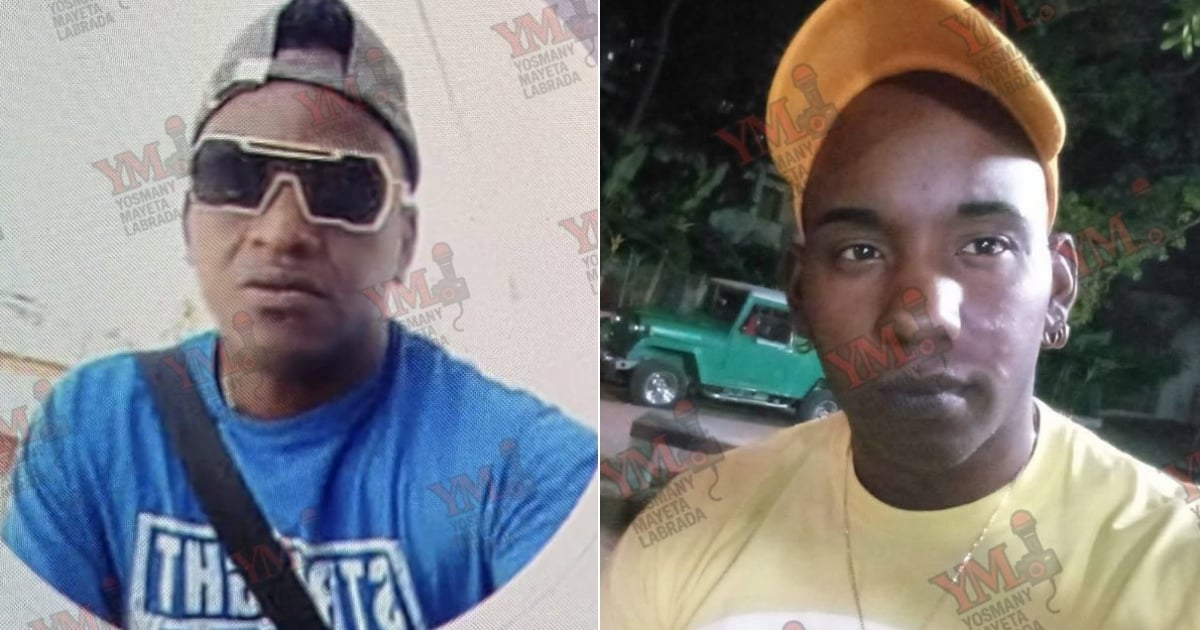
A tragic episode unfolded in Santiago de Cuba on the night of September 24th, claiming the life of Liudimir Romero Figueredo, also known as Cuquito. He succumbed to a fatal knife wound to the neck during a street altercation in the Reparto Artes y Oficio neighborhood. This incident highlights the escalating insecurity on the island, a reality that the government seems eager to downplay.
Witnesses report that the confrontation began when Romero Figueredo, reportedly under the influence of alcohol, engaged in a heated argument with several individuals. Dankier Evelio Castañeda San Martín, referred to as Chicho, allegedly attacked him with a knife, delivering a deadly blow. "It was just one stab, and he immediately collapsed, lost consciousness, and even wet himself on the ground," a local resident recounted to journalist Yosmany Mayeta Labrada.
Despite being rushed to the Joaquín Castillo Duany Military Hospital, Romero Figueredo was pronounced dead on arrival. The assailant surrendered to authorities shortly after the incident and remains in custody.
The community mourns the loss, especially as both Cuquito and Chicho were neighbors, known more for their resilience in overcoming life's challenges than for being troublemakers. However, many residents of Santiago de Cuba view this tragedy as part of a broader pattern of violence increasingly common in neighborhoods, where knives are now frequently involved in disputes that might have once been settled by words or fistfights.
Social media is abuzz with collective outrage. "Why a knife? Why not just fight and be done? People are quick to want to kill over the slightest thing. Doesn't life mean anything?" questioned one young person in response to Mayeta's post.
Another commenter, a woman, remarked: "There's no justification for using a knife against someone unarmed, just avoid the problem or walk away... He was drunk, but he didn't have a knife; two slaps would have sufficed. A drunk can't beat anyone."
The underlying causes of such tragedies are clear: a nation mired in hardship, with neighborhoods where lack of opportunities, alcohol, and despair create fertile ground for violence. This is compounded by the authorities' lack of action. Instead of preventing such incidents, the police often only respond when the situation has already turned tragic.
As one Santiago resident lamented, "People resort to using knives against those unarmed with shocking ease, but in this miserable country, no drastic measures are taken, so there will be more victims."
Cuquito's death adds to a growing list of violent incidents circulating daily on social media, while the official press remains silent or attempts to downplay the severity of the issue. The lack of public safety and effective policies against violence has become a defining aspect of life in Cuba, with more and more families left to mourn their loved ones without justice or assurance that such tragedies will not occur again.
Understanding the Surge of Violence in Cuba
What led to the violent incident in Santiago de Cuba?
The incident was triggered by a street argument involving Liudimir Romero Figueredo, who was reportedly intoxicated, and escalated to violence when Dankier Evelio Castañeda San Martín attacked him with a knife.
How are residents reacting to the violence?
Residents are expressing collective outrage and frustration, highlighting how common disputes now often involve knives rather than being resolved verbally or physically without weapons.
What is contributing to the increase in violence in Cuba?
The rise in violence is attributed to socioeconomic hardships, lack of opportunities, alcohol abuse, and the despair prevalent in many neighborhoods, coupled with insufficient action from the authorities.