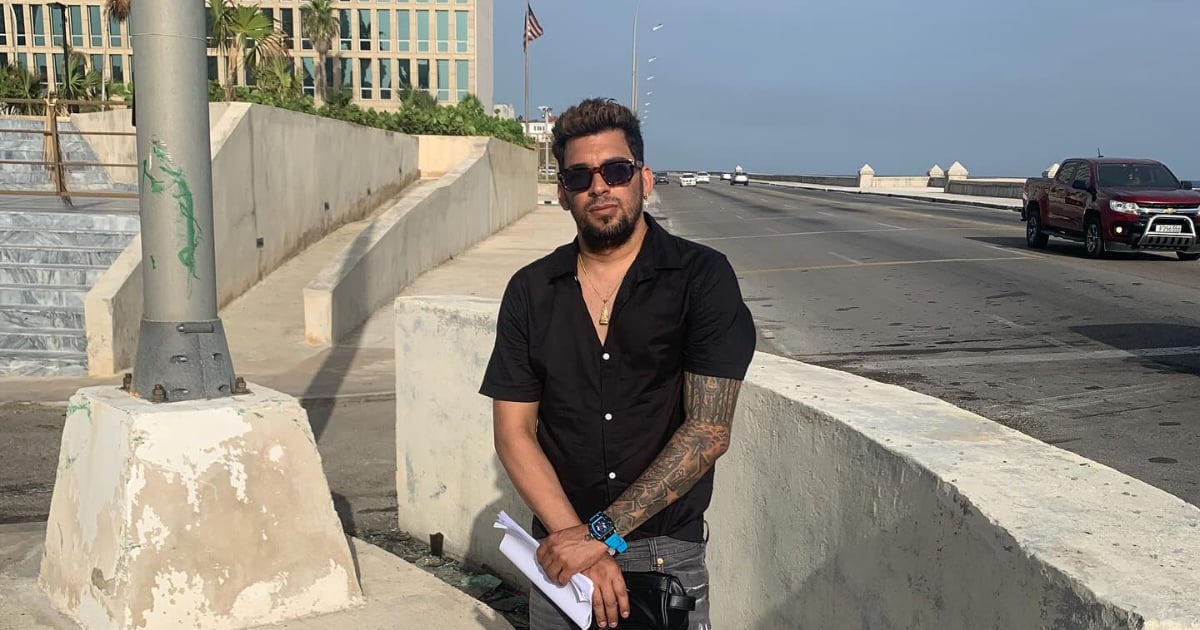
Leonardo Peña de la Cruz, a Cuban resident of the United States, shared his harrowing experience of having his green card stolen while in Cuba and being extorted for its return. Despite these challenges, he managed to return to the U.S. without significant difficulties. His story highlights the increasing insecurity on the island and the emergence of a troubling trend: the extortion of Cubans visiting from abroad, who find crucial documents like passports being stolen.
Peña's advice to others facing similar situations was straightforward: "Do not pay extortion, do not hand over money, as this has become a trend in Cuba." In an interview with Univision 23, he stressed the importance of reporting the theft to the police, although even this process can be delayed if the station lacks electricity at the time.
Steps to Take After Document Theft
The next step, according to Peña, is to visit the U.S. Embassy in Havana. From his experience, securing an appointment there "doesn't take long, just about three days," and the consular staff provides immediate assistance. The U.S. Embassy facilitated the entire process for him, and within 24 hours, he had the necessary paperwork to return to the U.S.
Upon arriving at a U.S. airport, Peña was taken to the Immigration "little room" for some questioning, but he was soon welcomed back and was able to resume his life.
The Incident in Guantánamo
This incident took place in August during a visit to his hometown of Guantánamo. While stopping for a meal, unknown individuals smashed the window of his car and stole his belongings, including his residency card. Shortly afterward, a photo of the card was posted on a Facebook buy-and-sell group, with the registration number hidden and a contact provided for "negotiations" for its return.
In desperation, Peña offered a $500 reward, but the thieves raised their demand to $4,000, a figure he described as absurd. "That's outrageous, insane. No one is going to pay that amount," he remarked at the time.
Legal Advice and Warnings
The case has raised alarm because it's not an isolated incident. According to previous reports, document thefts from Cuban travelers from the U.S. are becoming more common, paving the way for extortion amidst severe economic and security crises.
Immigration attorney Ismael Labrador advises that in such situations, the best course of action is to lodge a police report in Cuba and keep evidence of the extortion. With this documentation, the affected individual can return to the U.S., even without their physical card, by requesting an I-193 waiver upon arrival, a process that may be free or cost up to $685. The green card can later be replaced using form I-90.
Though Peña overcame this ordeal, he described the experience as "bitter" and cautioned Cubans traveling to the island: "Don't leave anything in plain sight inside your cars, not even a hat. The situation is dire, and people are on edge."
FAQs on Handling Extortion and Document Theft in Cuba
What should I do if my documents are stolen in Cuba?
Report the theft to the local police and visit the U.S. Embassy in Havana for assistance. Make sure to keep any evidence of extortion attempts.
How can I return to the U.S. without my green card?
You can request an I-193 waiver upon arrival in the U.S. If approved, this allows you to enter the country without your physical green card.
Is it common for travelers to be extorted in Cuba?
Unfortunately, extortion and document theft are becoming more frequent in Cuba, particularly targeting travelers from abroad.
What legal steps can be taken after returning to the U.S.?
Once back in the U.S., you can replace your green card by filing form I-90. It's also advisable to consult with an immigration attorney if needed.