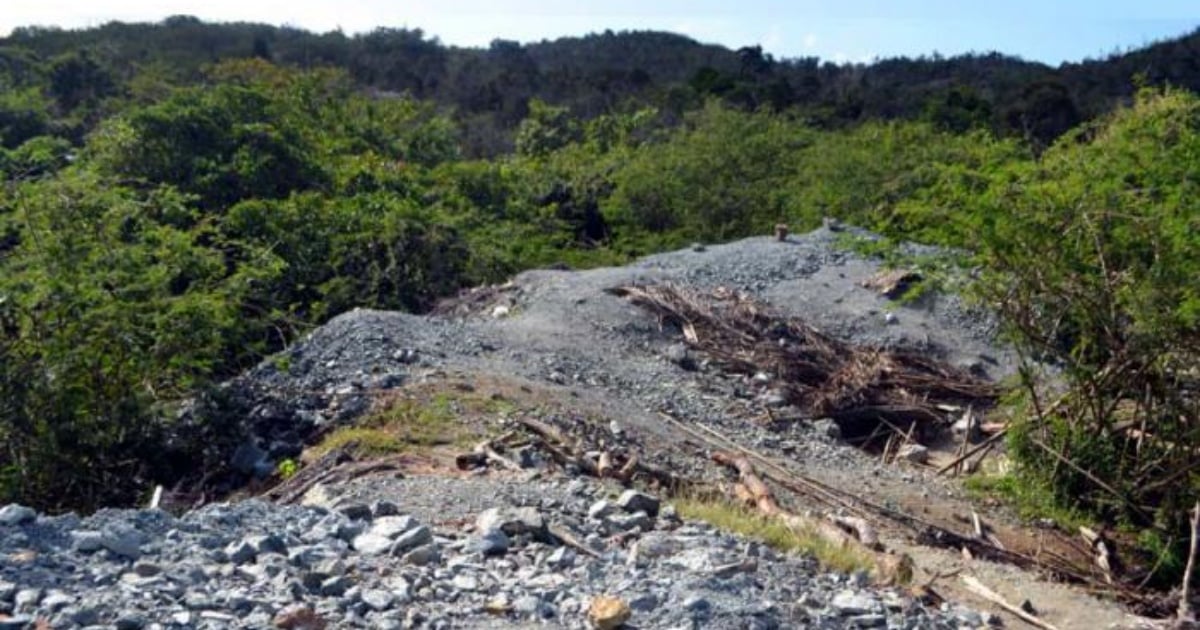
In the municipality of Yateras, located in Cuba's Guantánamo province, five individuals have been sentenced to prison terms for soil contamination linked to illegal gold mining. The verdict was handed down by the People's Municipal Court after the defendants were found guilty. During the trial, substantial evidence including documents, testimonies, and expert analyses were presented, establishing the criminal liability of those involved. Sentences ranged from one and a half to two years and seven months, depending on the severity of their actions, as reported by the state-run newspaper, Venceremos.
The prosecution highlighted that the defendants were engaged in unlawful gold extraction activities in the Piedra la Vela area, along the banks of the Toa River. This region is part of the dense forests within the Alejandro de Humboldt National Park, a recognized UNESCO World Heritage site. Additional penalties included the confiscation of tools used in the illegal operations, and restrictions on public rights, such as obtaining a passport or leaving the country during the duration of their sentences.
Authorities emphasized adherence to procedural guarantees and due process throughout the legal proceedings, as mandated by the Cuban Constitution. Both the convicted individuals and the prosecution retain the right to appeal the court's decision, according to the newspaper.
Just two weeks prior, Cuban authorities announced the arrest of four more individuals linked to illegal gold mining in Moa, Holguín. During this operation, over 418,000 pesos and various items related to the activity were seized. Conducted in the Yamanigüey area, the operation was described as a "thorough investigative process" which led to the confiscation of gold, mining equipment, and cash. The arrestees are charged with "illicit economic activity and soil contamination," as per the official narrative.
This situation is not isolated. In August, a farmer in Jobabo, Las Tunas, was caught using a homemade mill to process gold-laden soil. Earlier in March, also in Jobabo, eight individuals were apprehended for extracting and trafficking gold dust using specialized equipment. Additionally, in Santa Clara, police dismantled an illegal mining camp a few months ago.
State-run media portray these incidents as serious environmental crimes against national "reserves," yet they often overlook the underlying issue: the severe economic crisis forcing Cubans to engage in high-risk activities for survival. The state's monopoly over natural resource exploitation and the lack of legal opportunities make such activities targets for repression, despite the desperation rather than "parasitism," as the official publication described it, driving these actions.
The gold rush in eastern Cuba illustrates not only an environmental concern but also a symptom of the precariousness and inequality that define daily life on the island.
Understanding Cuba's Illegal Gold Mining and Its Implications
What are the legal consequences of illegal gold mining in Cuba?
Individuals involved in illegal gold mining in Cuba can face prison sentences, confiscation of mining tools, and restrictions on public rights, including the ability to obtain a passport or travel abroad during their sentence.
Why is illegal gold mining prevalent in eastern Cuba?
Illegal gold mining is rampant in eastern Cuba due to the severe economic crisis, which compels individuals to undertake high-risk activities for survival. The lack of legal job opportunities and the state's control over natural resources exacerbate this issue.
How do authorities in Cuba respond to illegal gold mining?
Cuban authorities typically conduct operations to arrest individuals involved in illegal gold mining, confiscate mining equipment, and prosecute them for environmental crimes and illicit economic activities.