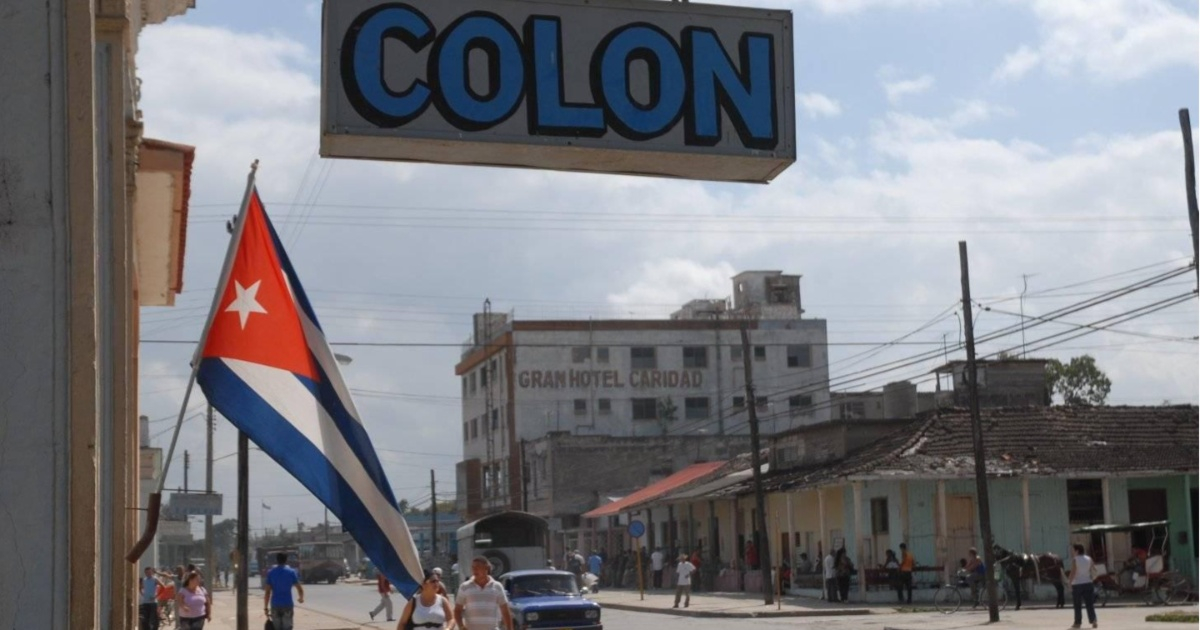
This Wednesday, health and government officials sounded the alarm over a significant rise in suspected arbovirus cases in Colón, Matanzas. Epidemiologists from the area, speaking to the local state-run outlet Girón, revealed that 435 cases of unspecified febrile syndromes were identified last week, marking an increase of 23 cases from the previous week. Authorities are prioritizing efforts to halt the spread by conducting door-to-door health checks and eliminating mosquito breeding grounds.
The Dr. Mario Muñoz Monroy Hospital in Colón currently has 40 beds occupied by related cases, with five patients showing warning signs. According to the Municipal Center for Hygiene, Epidemiology, and Microbiology, over 46% of the 239 hospital admissions involve children.
In response, students from the Faculty of Medical Sciences and Health Technologies, alongside family doctors and nurses, are actively conducting house-to-house screenings. Efforts also include waste collection and the removal of small dumps in high-incidence areas such as Popular Council East (134 cases), West (103), and South (101), as well as the outskirts including the Industrial Zone, Libertad neighborhood, Desengaño, Río Piedras, Agüica, San José de los Ramos, and México-Banagüises.
The strategy involves prioritized fumigation in health centers, elderly homes, maternity homes, and schools, supported by 20 workers from the sports and agricultural sectors. Authorities are urging widespread participation in cleaning and clearing common areas and yards, and encouraging families to focus on their immediate environment.
With the province facing a critical water supply situation, there is an emphasis on properly covering domestic water containers to avoid mosquito breeding sites.
Matanzas province is seeing a disturbing rise in suspected cases of dengue and Chikungunya, exacerbated by poor sanitation, garbage accumulation, and a lack of state resources for fumigation. The shortage of insecticides and trained personnel hampers vector control campaigns. Although the government has launched intensive active screening and environmental sanitation efforts, these measures are arriving too late and with inadequate resources, leading to a reliance on volunteers, students, and workers from other sectors.
The Chikungunya outbreak in Matanzas is severely impacting the quality of life for those infected, who suffer from severe joint pain and high fever. Entire families are bearing the brunt of care for the sick as the health system struggles to manage the outbreak.
FAQs on the Health Crisis in Matanzas
What is being done to control the arbovirus outbreak in Matanzas?
Efforts include door-to-door health checks, mosquito breeding ground eradication, fumigation in key areas, and active participation from medical students and professionals in screening activities.
How is the community involved in the response to the outbreak?
The community is encouraged to participate in cleaning and clearing common areas, as well as ensuring proper coverage of water containers to prevent mosquito breeding.
What challenges are hindering the response to the outbreak?
Challenges include a shortage of insecticides, insufficient trained personnel, and limited resources for effective vector control and sanitation efforts.